Doctors Warn About Energy Drinks and Their Risks to Kids
The Risks of Energy Drinks
Energy drinks pose significant health risks to children and adolescents. A tragic example is the story of Davis Cripe, a South Carolina teen who died after consuming an energy drink, prompting renewed warnings from medical professionals. Doctors highlight that these beverages contain high caffeine levels, which can lead to serious conditions such as:
- Abnormal heart rhythms
- Increased heart rate
- Sleep disturbances
- Dehydration
- Agitation
- High blood pressure
- Seizures
A coalition of medical experts is particularly concerned about energy drink sponsorships in youth sports, as these marketing tactics could mislead children into perceiving energy drinks as safe athletic beverages.
Caffeine’s Impact on Young Bodies
The American Academy of Pediatrics and other health organizations recommend that children and teens should avoid energy drinks entirely. The dangers of excessive caffeine for younger individuals include increased heart rates and nervous system reactivity, which can overload the body’s systems. For example:
- Caffeine levels in energy drinks can range from 80 to 300 mg per serving, far higher than typical sodas and coffee.
- Children aged 12 to 18 should limit caffeine intake to 100 mg per day, with younger kids advised to consume no caffeine.
Risks of Mixing Caffeine Sources
Children can expose themselves to excessive caffeine from various sources, increasing health risks, particularly in those with existing medical conditions like high blood pressure. Davis Cripe’s case illustrates this: he consumed multiple caffeinated beverages on the day he collapsed.
Energy Drink Industry Response
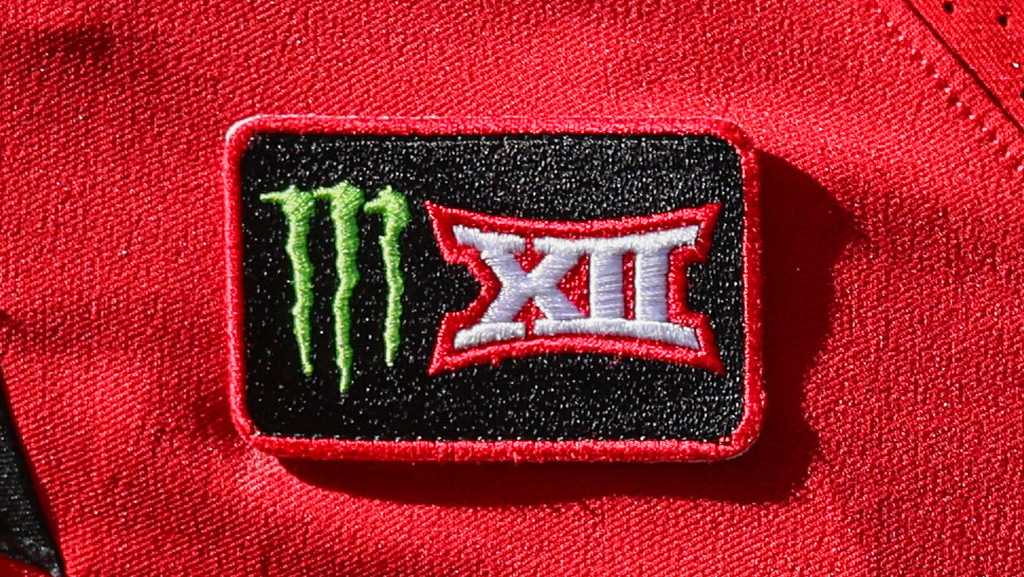
The American Beverage Association asserts that its members are committed to consumer safety, stating they voluntarily disclose caffeine content and do not market their products directly to children. However, partnerships with organizations like the Big 12 Conference raise concerns about youth exposure to energy drink marketing.
Educational Outreach
Parents, teachers, and coaches should educate kids about the dangers of excessive caffeine. They can help by:
- Explaining the differences between energy drinks and sports drinks.
- Modeling healthy beverage choices themselves.
- Discussing beverage consumption with pediatricians.
Sean Cripe hopes that sharing stories of loss will encourage families to engage in open discussions about the dangers of energy drinks, fostering safer choices among children.


