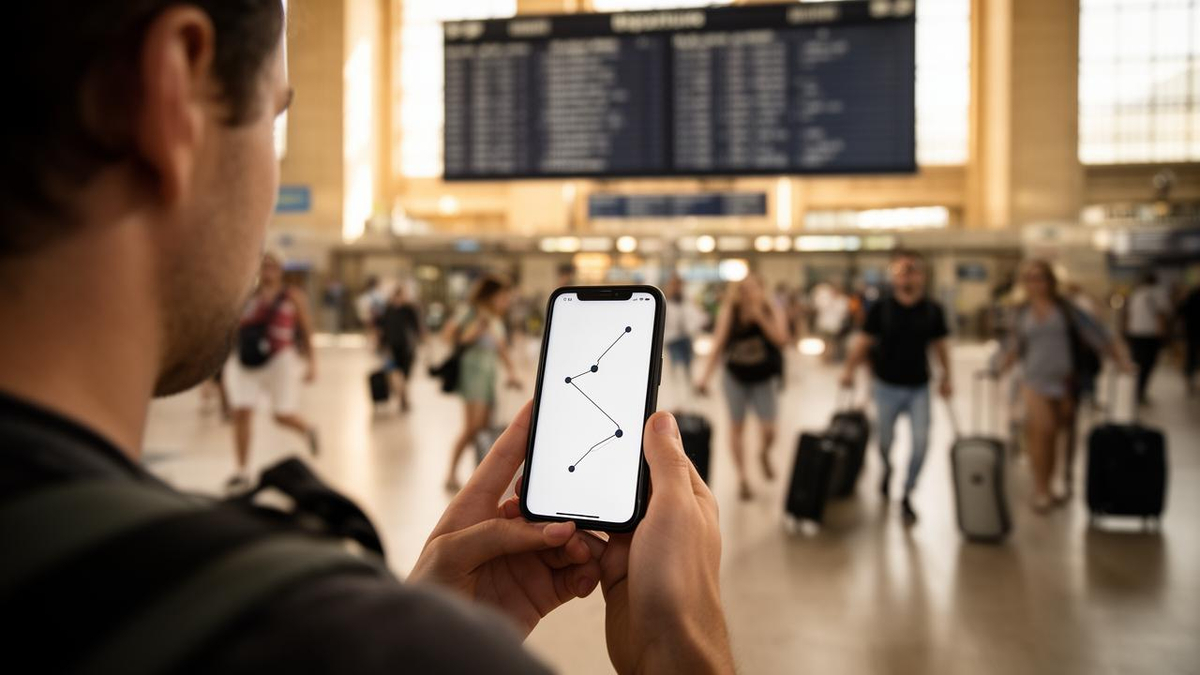
China’s National Day Holiday and AI in Travel Planning
China’s National Day holiday has traditionally been a major period for domestic consumption, but this year saw a significant shift in how travelers are planning their trips. Increasingly, people are turning to large language models and AI agents, feeding them details like travel dates, budgets, and preferences to generate complete travel itineraries with ease.
Rising Popularity of AI Travel Tools
Recent data from platforms like Fliggy show a remarkable 297% increase in AI interactions related to travel during the summer leading up to the National Day holiday. The AI agent DeepTrip saw a threefold increase in peak-hour visits on the first holiday day, highlighting a growing reliance on AI as a travel companion.
Users can simply input their travel requirements, and AI produces tailored itineraries, including daily plans, attraction suggestions, and accommodations, while allowing for customization. The goal, as stated by Tongcheng Travel’s executives, is for AI to resolve practical issues following itinerary creation, making it easier for travelers to implement their plans.
Efficiency vs. Commercial Influence
AI offers undeniable efficiency in managing the information overload typical of holiday travel. However, as AI recommendations become central to decision-making, concerns arise about their potential biases. Professor Yin Jie notes that AI travel guides may reflect advertising biases that are more subtle and persuasive than traditional advertising, as “recommendation” now serves as a business model.
Unlike typical search result ads that are clearly labeled, AI recommendations can feel personal, concealing their commercial motivations. Li Muxin warns that if consumers can’t differentiate between organic recommendations and paid promotions, it could undermine trust and amplify the market power of these platforms.
Challenges in Information Accuracy
In addition to commercial bias, AI faces limitations in providing real-time information during busy travel periods. Factors like holiday crowds, weather changes, and store availability can alter travel plans, but AI may not have the real-time capability to adjust accordingly. As travelers rely more on AI’s streamlined suggestions, they risk losing their critical comparison-shopping habits.
During peak travel times, even small deviations in AI recommendations could have significant repercussions across a large volume of bookings.
Establishing Clear Boundaries
The crucial issue is not whether AI should play a role in travel planning, but about maintaining transparency in the recommendations it provides. Clear distinctions between organic suggestions and paid placements are essential for consumer trust. Regulatory measures should mandate transparency in algorithmic recommendations, ensuring consumers know the origins of the suggestions they receive.
As consumers, a cautious approach is advisable: treating AI-generated plans as drafts rather than final decisions, revisiting comparisons before bookings, and confirming operational details.
Ultimately, the essence of travel should remain deeply personal, where individuals make the decisions that matter most. AI can assist in calculations and suggestions, but it shouldn’t dictate the value of experiences on travelers’ behalf.