Harnessing the Power of Food Education in Chicago Schools
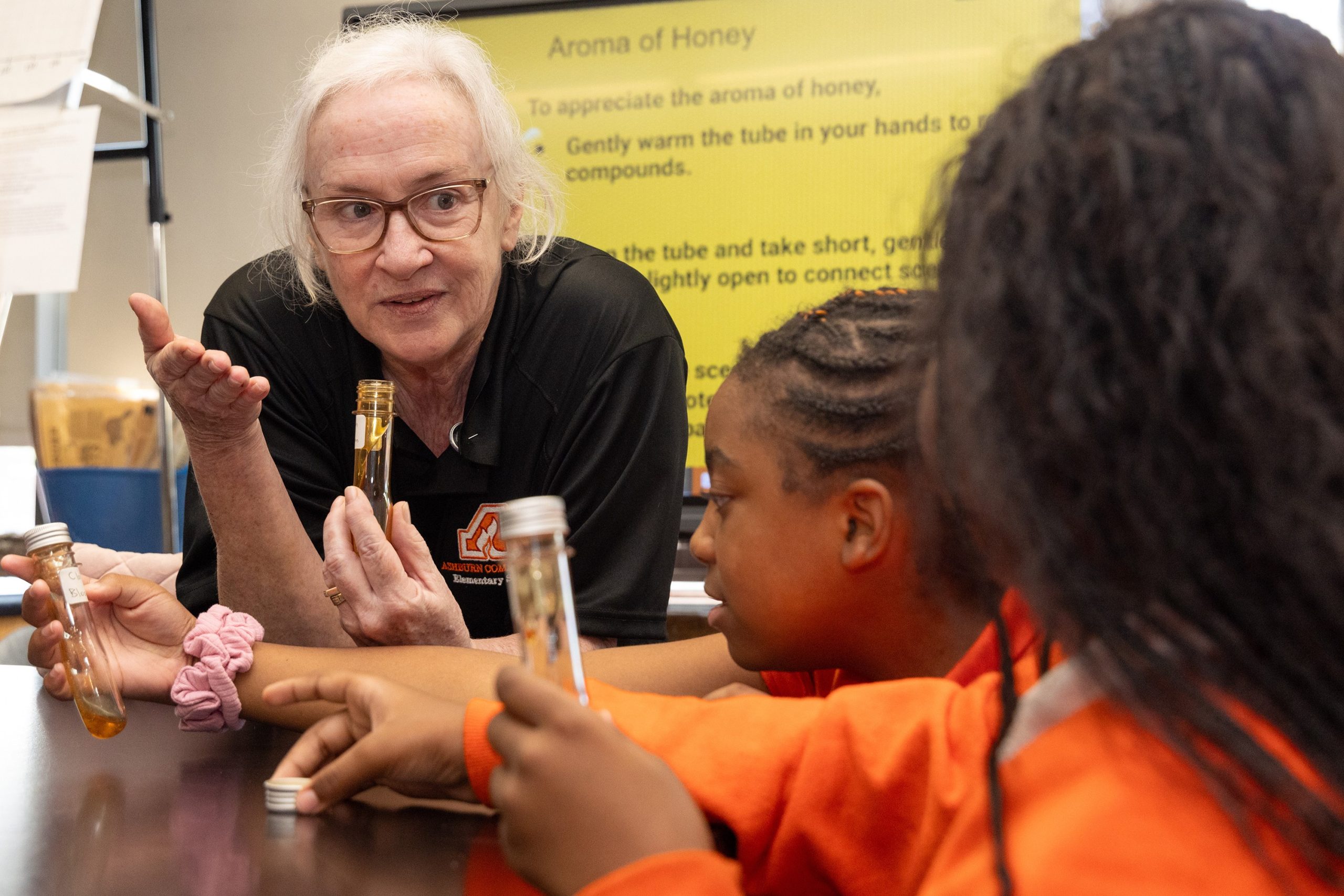
In an inspiring initiative at Ashburn Community Elementary School, Rita Leary blends food with science education, engaging sixth to eighth graders in a sensory exploration of honey. By exploring different honey varieties, the students connect food to environmental science, emphasizing the relationships between food and the ecosystem.
Leary’s lessons are guided by Pilot Light, a nonprofit organization founded in 2010, dedicated to integrating food education into various subjects. The program’s focus is on using food as a dynamic learning tool to enhance students’ ownership of their education and lifestyles.
Each month, Leary introduces food into her lessons, revealing the integral role it plays in other disciplines. This approach not only captivates students but fosters a sense of community and cooperation as they taste and share different flavors together.
With a recent launch of an updated Food Education Center by Pilot Light, educators now have access to over 200 lesson plans designed by a diverse team of experts. These resources cover topics ranging from agriculture to sustainability, making food education accessible across disciplines in 26 states, with plans for expansion to New York City.
The program addresses food insecurity, particularly in neighborhoods like Ashburn, where access to fresh groceries is limited. Leary advocates for healthier food choices among her students, encouraging hands-on cooking experiences that teach food preparation and appreciation.
Pilot Light has evolved from its inception during Michelle Obama’s “Let’s Move!” campaign, bringing together chefs and educators to create an impactful educational framework. By empowering teachers, the program enhances classroom experiences, fostering advocacy for sustainable food practices and engaging families in the process.
In addition to theoretical learning, practical projects—like maintaining a class beehive—connect students with their environment and promote sustainability. As Pilot Light continues to expand, it remains committed to using food as a universal language, reinforcing the relationships we share with what we eat and the wider world.
In summary, Pilot Light’s food education initiative demonstrates how integrating food into the curriculum can enrich learning experiences, empower students, and advocate for healthier communities.


