Understanding Thunderstorm Anxiety in Pets
Many pet owners have noticed their calm companions become anxious during thunderstorms. Common signs of storm anxiety include pacing, panting, hiding, and trembling.
Symptoms of Storm Anxiety
Symptoms can vary widely but often include:
- Pacing or hiding
- Whining or panting
- Changes in eating habits (refusal to eat, vomiting, loose stool)
These behaviors suggest significant stress, indicating that pets may sense impending storms before we do.
Strategies to Help Your Pet
Create a Safe Environment
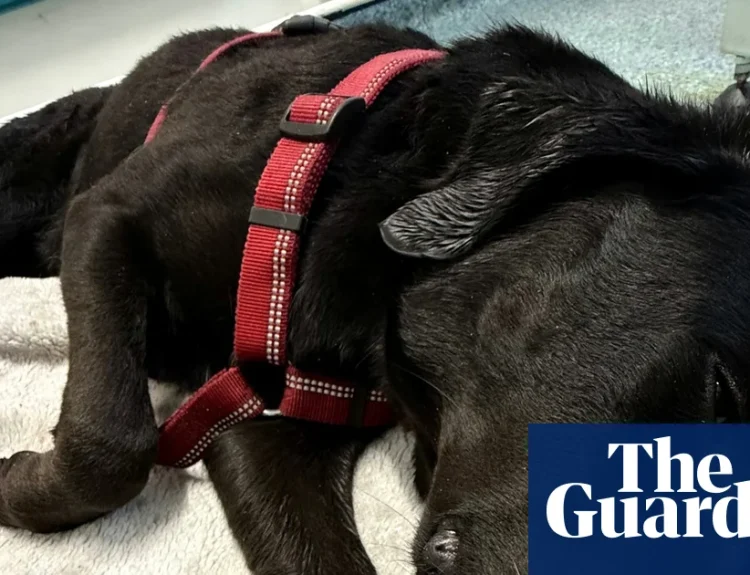
- Pressure Wraps: Use compression jackets to mimic a comforting hug.
- Positive Reinforcement: Spend quality time and reward calm behavior with treats.
- Pheromones: Consider using diffusers or sprays designed for pets.
- White Noise: Playing white noise can help mask storm sounds.
Gradual Desensitization
Introduce storm sounds gradually during positive activities. This helps pets associate storm sounds with good experiences. Start with low volumes and increase exposure over time.
During a Storm
Use white noise to cover thunder sounds and compression jackets for calming pressure. Many pets prefer staying close to their owners during storms.
When to Seek Additional Help
Some pets may experience severe anxiety that could lead to respiratory distress or seizures. In such cases, consult with a veterinarian to create a treatment plan, including potential medication.
Important Notes on Medication
- Never share medications between pets or use human medications without veterinary advice.
- Administer prescribed medication about two hours before a storm for it to be effective.
Owner Tips
Understanding how your pet reacts during storms can help you prepare. Offer treats and reassurance to create positive associations. If anxiety leads to destructive behavior, consult your veterinarian.
Remember, it may take time to find the right treatment plan. Medication should accompany behavioral strategies rather than replace them. By recognizing early signs of anxiety and working with professionals, you can help your pet feel more secure during storms.