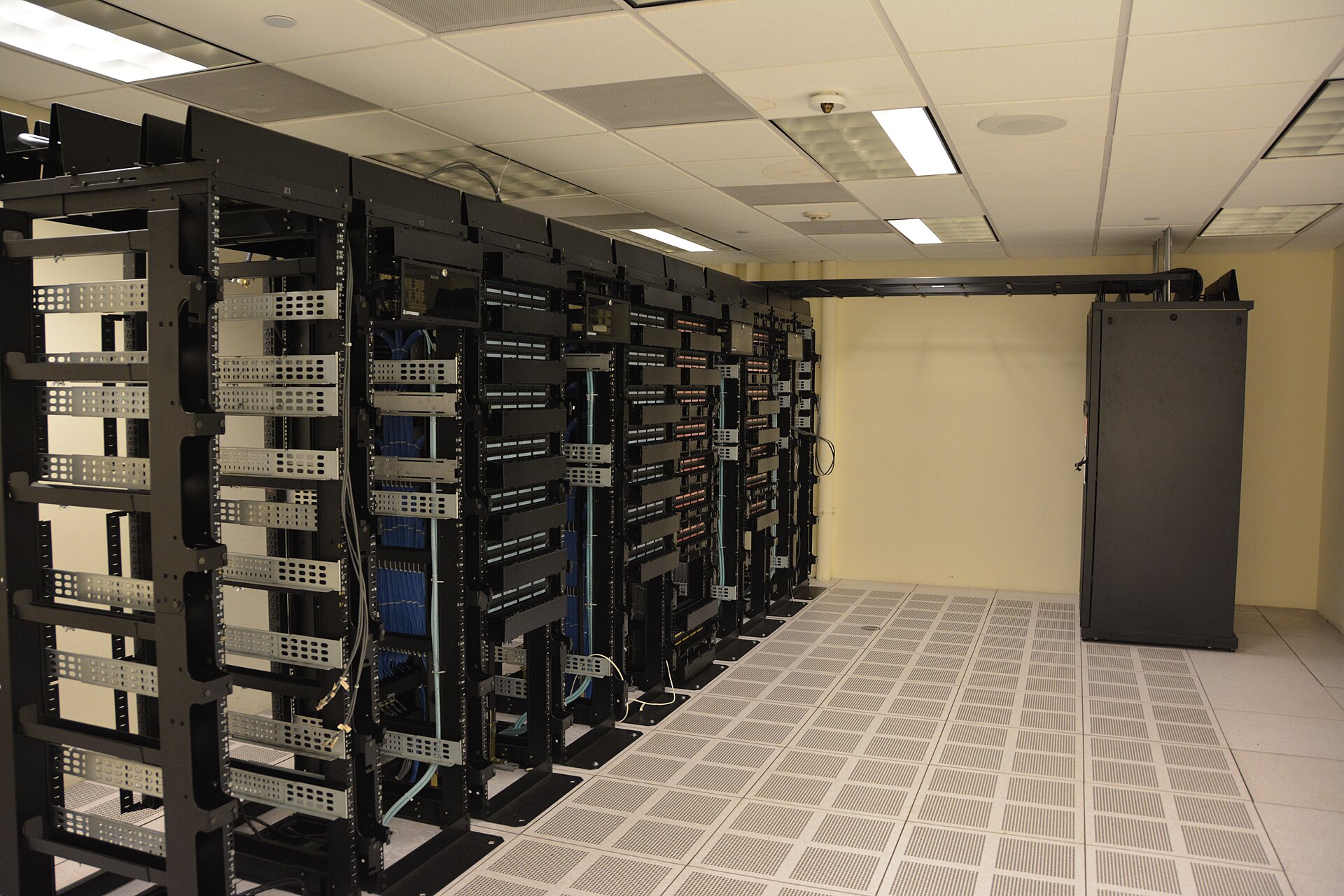
Overview of Data Center Rate Class Proposal in North Carolina
Context: North Carolina is experiencing a boom in data centers, raising concerns about the impact on the electric grid and who will shoulder associated costs.
Key Points:
-
Proposal for Separate Rate Class: North Carolina Attorney General Jeff Jackson is advocating for the creation of a distinct rate class for data centers and large electricity consumers. He argues this would prevent residential customers from unfairly covering the costs tied to infrastructure built for these large users.
-
Current Rate Issues: Jackson’s concerns stem from the vast energy demands of data centers, which could burden existing ratepayers if costs are mismanaged. His proposal aims to ensure consistency in how costs are allocated among different customer classes.
-
Duke Energy’s Stance: Duke Energy argues that the influx of data centers could lead to long-term savings for existing customers. They maintain that current frameworks already allocate costs appropriately to these large users.
-
Regulatory Recommendations:
- Jackson has suggested making Duke’s contract templates with data centers public and requiring regular reporting on non-standard agreements.
- He also wants more frequent updates on electricity demand forecasts and a pause on new natural gas plant developments until demand evaluations are complete.
-
Ongoing Debates: The discussion is part of larger ongoing regulatory proceedings regarding Duke’s rates and energy planning. Jackson has opted out of settlements he believes do not protect consumers adequately.
-
Impact on the Future: As both data centers and new residents continue to increase demand for electricity in North Carolina, regulators must make critical decisions about future infrastructure and cost divisions.
Conclusion:
Jackson’s push for a dedicated rate class for data centers is aimed at protecting North Carolina ratepayers while fostering transparency and accountability in the face of rapidly increasing electricity demands from these facilities.


