How AI is Transforming Veterinary Care
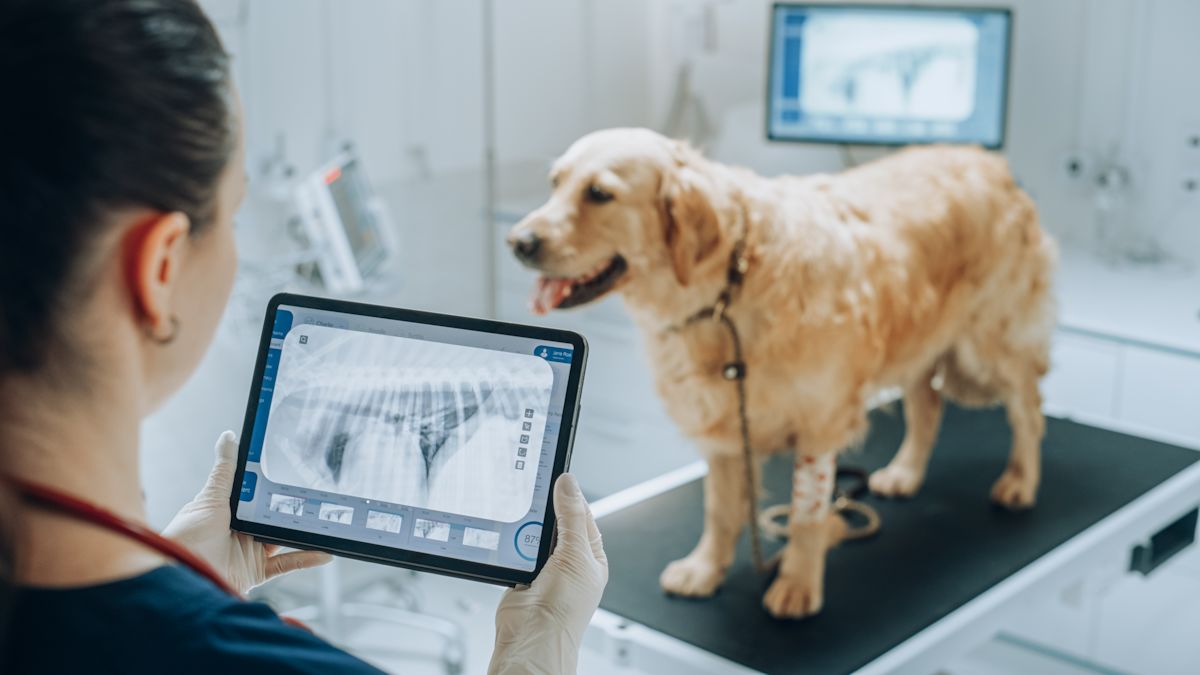
If you’ve recently visited the vet with your pet, you might not have realized that artificial intelligence (AI) could have played a role in their diagnosis or treatment. From analyzing radiographs to documenting your pet’s medical history, AI is increasingly becoming a part of veterinary medicine.
Insights from Dr. Michael Q. Bailey
Who is Dr. Michael Q. Bailey?
Dr. Bailey is the president of the American Veterinary Medical Association (AVMA) and a board-certified veterinary radiologist with extensive experience in veterinary imaging technology.
The Impact of AI in Veterinary Medicine
Dr. Bailey emphasized that AI is making significant strides in veterinary care:
- Diagnostic Tools: AI tools help flag potential issues in radiographs, allowing veterinarians to diagnose conditions earlier.
- Forecasting Diseases: AI can predict chronic conditions like arthritis and diabetes, giving veterinarians a head start in treatment.
- Precision Medicine: Personalized cancer treatments for dogs are being developed using AI algorithms to find the most effective medications.
Dr. Bailey also acknowledged that while AI is a powerful tool, it does not replace the expertise and compassion of a veterinarian.
AI in Action: Faster X-ray Interpretation
AI has the capability to analyze radiographs more quickly and accurately than the human eye. Dr. Bailey noted:
- AI can catch subtle changes in diagnostic images over time, which may lead to earlier disease detection and better outcomes.
- A study showed that an AI system achieved nearly the same accuracy as experienced surgeons in detecting fractures.
Smart Collars and Wearables
Fitbit-like technology is not just for humans; smart collars are emerging as valuable tools in veterinary care. Dr. Bailey stated:
- Well-designed wearables can provide critical data that informs treatment plans.
- These devices can track a range of metrics, including activity levels and vital signs.
Administrative Efficiency through AI
Dr. Bailey shared insights on how AI is helping alleviate administrative burdens in veterinary practices:
- Automated systems allow veterinarians to focus more on patient care rather than paperwork.
- AI scribing technology improves record accuracy, enabling better communication between veterinarians and pet owners.
The Limitations of AI
Despite its advantages, Dr. Bailey made it clear that AI cannot replace the human element in veterinary care:
- Physical examinations, like palpation and auscultation, remain irreplaceable.
- A veterinarian’s judgment and compassion are essential in interpreting AI findings.
The Role of Telehealth
Telehealth is advancing in veterinary care, allowing initial evaluations and consultations through technology. However, Dr. Bailey emphasized that:
- Establishing a veterinarian-client-patient relationship (VCPR) is necessary before a veterinarian can provide telemedicine services.
- Telehealth enhances existing relationships but cannot fully replace hands-on examinations.
Choosing a Vet: The Importance of Team
When selecting a veterinary practice, Dr. Bailey stressed the importance of evaluating the people who work there over the technology in use. He noted:
- While AI capabilities are valuable, the quality of care is primarily determined by the veterinary team.
The Future of AI in Veterinary Medicine
Looking forward, Dr. Bailey expects rapid advancements in AI in veterinary settings. However, he also noted:
- The effectiveness of AI depends on the quality of the data it is trained on.
Conclusion
In summary, AI is enhancing the quality of veterinary care, helping veterinarians to deliver better diagnoses and treatments while also allowing more time for interactions with pet owners. Dr. Bailey encapsulated the sentiment perfectly: “AI is already delivering real-world benefits for pets, veterinarians, and public health.”
For more in-depth discussions about veterinary advances and your pet’s health, don’t hesitate to ask your veterinarian about how technologies like AI might play a role in their care.