Eric Hobsbawm: More Than a Revolutionary Historian
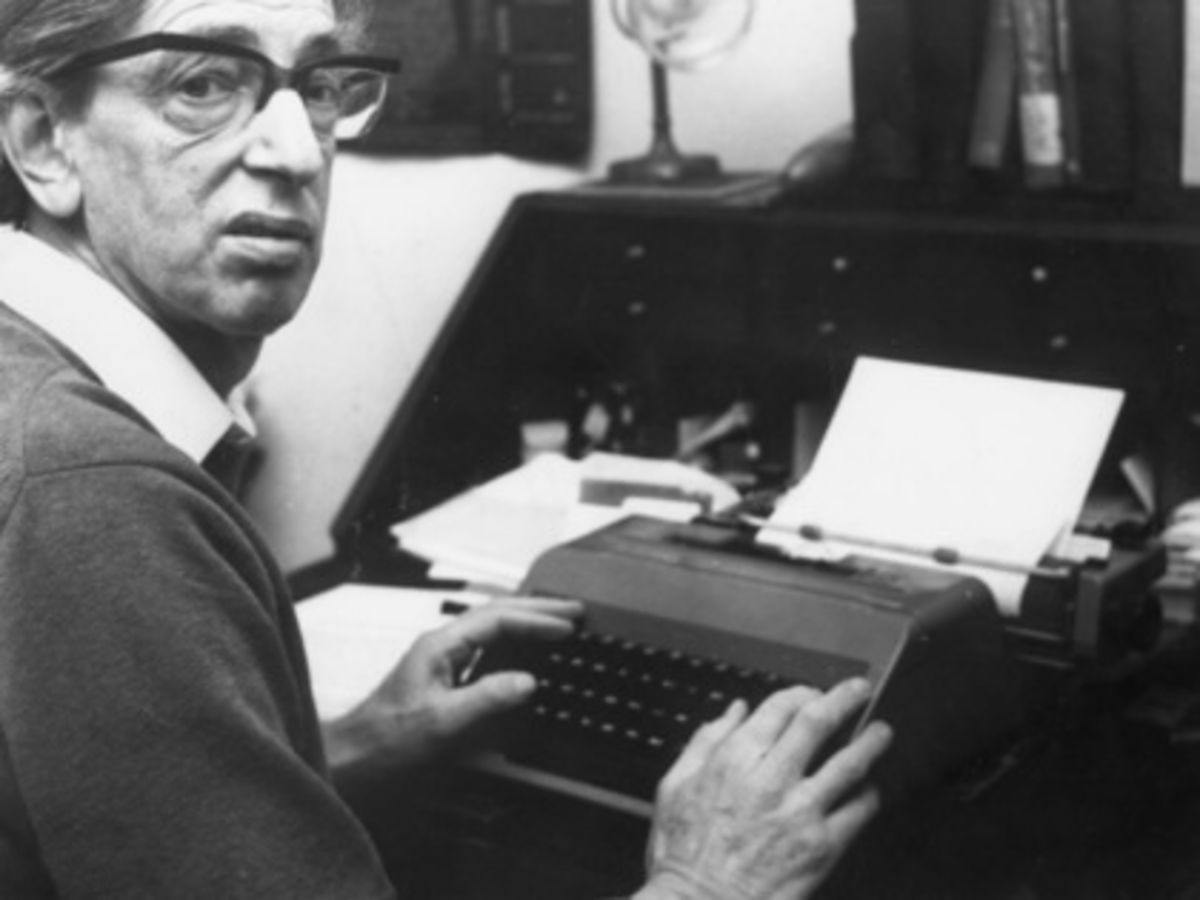
Emile Chabal’s biography reveals Eric Hobsbawm not just as the “revolutionary historian” indicated by his subtitle, but also as an astute academic entrepreneur. Early in his career, Hobsbawm adeptly found a literary agent, transforming his lectures for undergraduates into bestselling books. He established valuable relationships with emerging scholars and publishing houses across Europe, prioritizing conferences and intellectual tourism over archival research.
Hobsbawm had a talent for maintaining visibility through a consistent output of journalism and polemics. In the 1980s, he shifted focus from the histories of the working class—his early niche—to delve into nationalism and constructs of tradition. By the late 1990s, he had achieved such a prominent status that he could decline a knighthood, opting instead for an esteemed appointment to the Order of the Companions of Honour.
A Careerist’s Image
Chabal’s portrayal isn’t a smear; rather, it respectfully acknowledges Hobsbawm’s achievements without the emotional weight some earlier adherents carried. The biography lacks the tedious Cold War moralism surrounding debates about Hobsbawm’s political affiliations. Chabal’s contemporary perspective emphasizes understanding Hobsbawm as a global intellectual phenomenon rather than merely critiquing him or resuscitating his ideologies. However, this critical lens may diminish Hobsbawm’s stature, as it often reveals the intricacies of academic advancement.
Chabal underlines familiar themes from Richard Evans’s 2019 biography while grounding Hobsbawm’s legend in a more realistic context. As a dissertation supervisor, Hobsbawm was dismissive of certain approaches—particularly feminist histories—and held onto outdated ideas regarding cultural production. Despite his linkage to Marxist ideas, his tastes were traditionally constricted and elitist, leading him to underappreciate the likes of Miles Davis, John Coltrane, and even rock and roll.
Hobsbawm’s Timely Success
Hobsbawm’s books effectively capitalized on the demand for accessible economic history amidst the education boom. His works became staples, at a time when Marxism enjoyed significant intellectual appeal. His emphasis on the late nineteenth century’s mass society, with rising literacy and new communication technologies, paralleled his intellectual ascent in the literary marketplace, even as critiques of bourgeois society emerged.
His tetralogy, starting with The Age of Revolution, intertwined the narratives of industrial capitalism, social class, and liberal ideology. However, as historiographical debates grew, Hobsbawm’s interpretations—particularly concerning the French Revolution’s class dynamics—came under scrutiny.
The Cosmopolitan Scholar
Labeling Hobsbawm as a cosmopolitan reflects his diverse upbringing across Europe and his role in integrating French historiography into Anglophone scholarship. While Chabal characterizes the Ages series as embodying “total history,” the series eschews deep environmental and anthropological explorations typical of the original Annales tradition in favor of a broader, yet more superficial, global analysis.
Hobsbawm’s connection to the British school of thought is evident in his adeptness at generalizing from precise data, skillfully using statistics without sacrificing prose quality. Unlike his contemporaries, Hobsbawm appreciated high culture while emphasizing popular history, though he absorbed the cultural biases of the bourgeois milieu.
Reflecting on Hobsbawm
Chabal underscores Hobsbawm’s critical stance toward the bourgeois world while noting a nostalgic attachment to it, particularly in the lyrical fragment from The Age of Empire that speaks of a longing for the pre-1914 era. Hobsbawm’s works resonate with reflections on both personal and societal loss as the old order fell post-war.
However, a glaring absence in Hobsbawm’s narrative is colonial violence, which tends to be overlooked despite its profound effects on historical processes. His Eurocentrism remains a significant shortcoming, limiting the scope of his arguments, particularly regarding imperialism.
Hobsbawm’s reluctance to engage meaningfully with issues that are central in contemporary historical analysis shows that the future of historiography requires addressing Europe not merely as a historical center but as an epicenter of exploitation whose impacts echo throughout global history. This evolution dictates writing Europe differently, exploring its violent legacy while still appreciating its contributions to historical narratives.
Originally published in Jacobin, a magazine focused on democratic socialism, offering comprehensive essays and analyses on various topics.