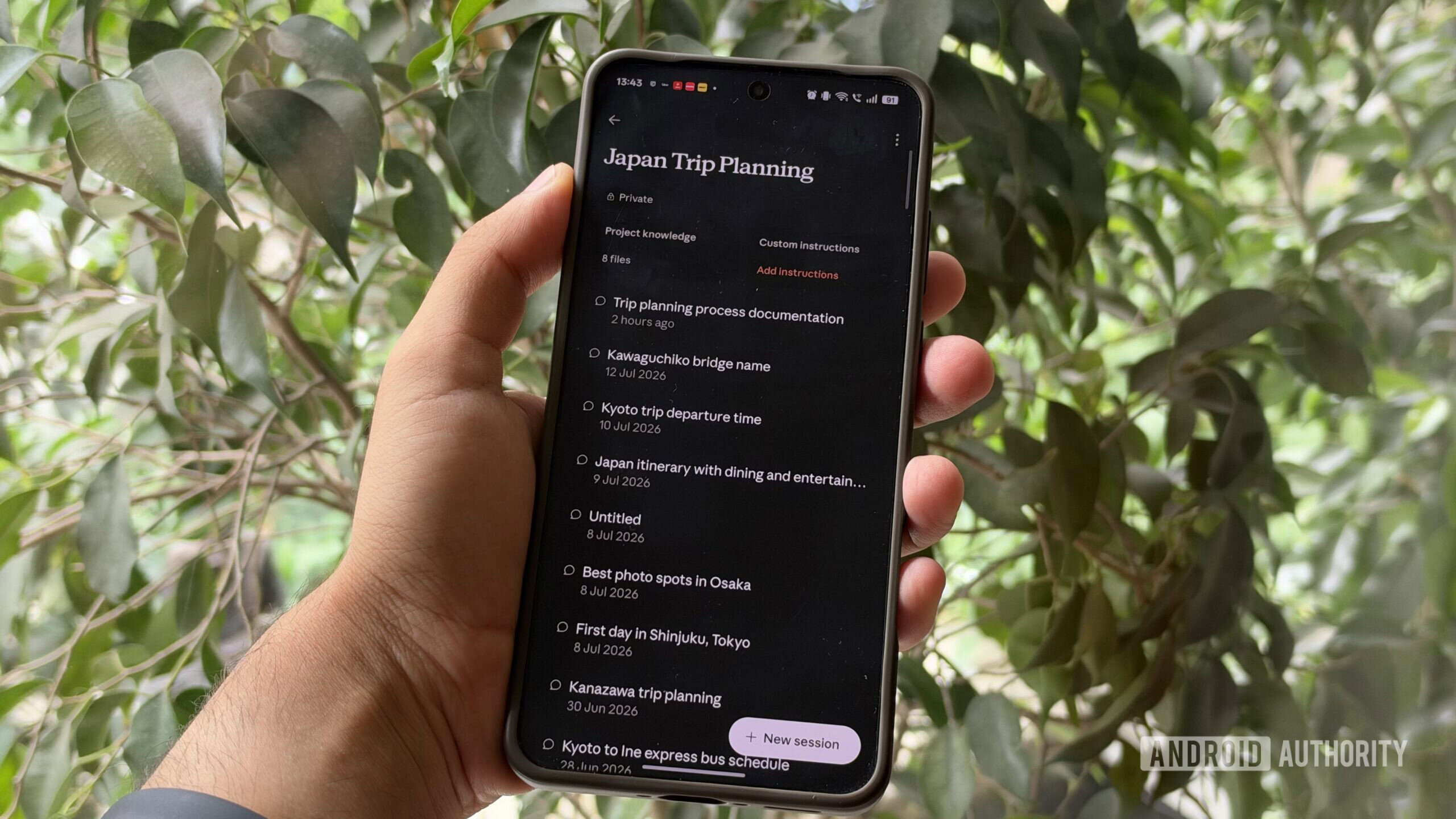
It seems you’ve posted an article about using AI tools for travel planning, particularly highlighting experiences using Claude for organizing a trip to Japan. Here are some key takeaways:
Key Insights on AI for Travel Planning
-
AI as an Organizational Tool: The author prefers to use AI not for decision-making but for organizing logistics. They found that while AI can generate itinerary suggestions, it lacks an understanding of individual preferences and real-time adaptability to changes.
-
Curation of Information: By curating a personalized list of desired activities, the author successfully utilized AI to create a practical itinerary, rather than relying solely on generic recommendations.
-
Providing Context: The effectiveness of AI improved when the author provided extensive context, including preferences and relevant documents (like allergy information), which allowed AI to generate more tailored recommendations.
-
Flexible Itinerary Structure: Instead of a rigid schedule, the author opted for a combination of fixed “anchor” activities and flexible options, allowing them to adapt based on circumstances like fatigue or weather changes.
-
Adaptability in Real-time: The real benefit of using AI became apparent when plans had to change. AI was able to suggest alternative activities based on the current location and preferences, demonstrating its utility in dynamic situations.
-
Human Oversight: The author asserts that human curation and decision-making remain essential. AI serves a supportive role, helping to manage tedious logistics but not replacing personal taste and planning.
Conclusion
The article emphasizes a balanced approach to travel planning, where AI aids in organization and efficiency, allowing travelers to maintain control over their experiences. This hybrid strategy offers a more enjoyable planning process and enhances the overall trip.