Aquamation, also known as alkaline hydrolysis, is gaining traction as an eco-friendly alternative to traditional pet cremation. It eliminates the use of flames and smoke, significantly reducing greenhouse gas emissions and energy consumption by about 90%. The leftover water is safely returned to the wastewater system, making it a gentler option for afterlife care.
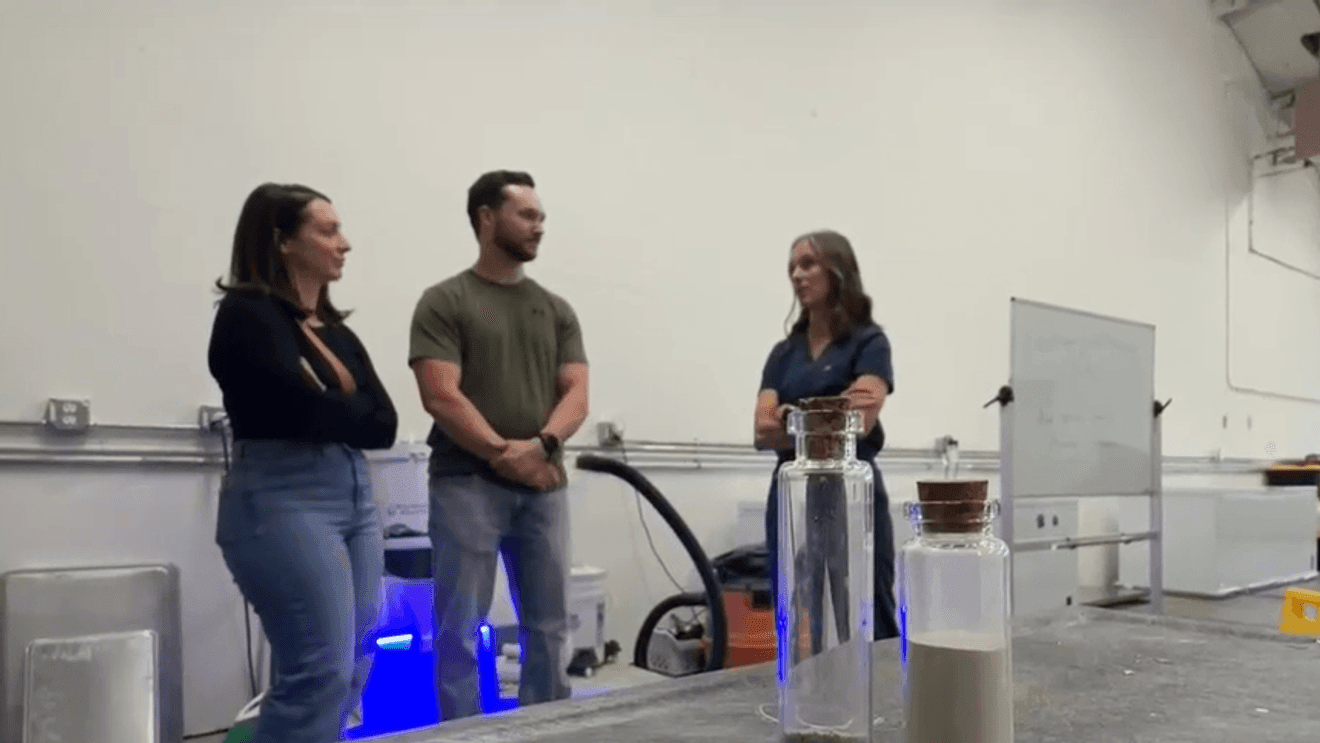
Lindsay and Luke McAllister, co-owners of Furevergreen Aquamation, decided to offer this service after recognizing the need for a compassionate method of handling end-of-life pet care. They focus on individual and communal aquamation, emphasizing a personal touch in their small family-owned business.
Pet owners like Danica Reeves, who opted for aquamation for her late 15-year-old husky, appreciate its environmental benefits and the natural approach it offers compared to cremation. The aquamation process involves placing pets in metal chambers, filling the unit with warm water and potassium hydroxide, and ultimately leaving only powdered bones.
As interest in sustainable aftercare alternatives grows, veterinary clinics in the area report increasing demand for aquamation, which typically costs $30 to $80 more than cremation and takes about half a day longer.