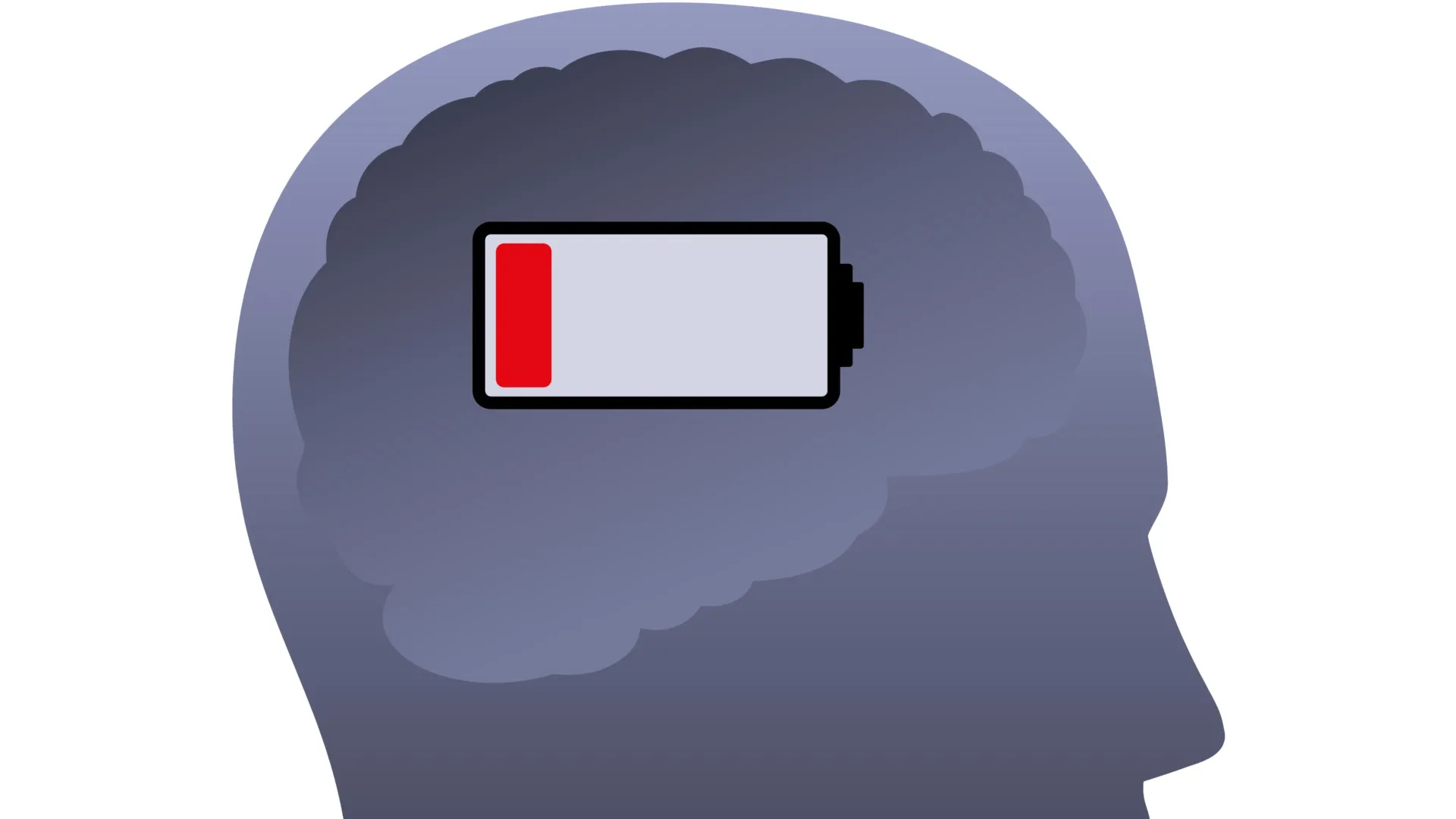
The study of brain energy use during sleep, particularly REM sleep, reveals fascinating insights into how our brains manage energy. While REM sleep is a time of high activity—especially linked to dreaming—research shows that the energy molecule ATP actually decreases in neurons despite an increase in blood flow, highlighting a paradox.
Key Findings:
-
Energy Budget During Sleep: The brain’s energy consumption remains high even when the body is at rest, demonstrating its sophisticated ability to manage energy resources.
-
Research Methodology: Researchers used transparent skulls in mice to observe brain activities in real time, utilizing advanced imaging techniques to track blood volume changes and energy molecule levels.
-
REM Sleep Paradox: Brain blood volume increases before REM sleep begins, preparing for metabolic demands, yet neuronal ATP declines.
-
Hypotheses for ATP Decline: Potential explanations include the high energy required for memory processes and shifts in how neurons and supporting cells (astrocytes) exchange energy.
-
Implications for Biological Computation: The results suggest that, unlike computers which have a constant energy supply, animal brains adapt their energy allocation based on internal needs, emphasizing the complexity of biological intelligence.
Understanding how the brain balances its energy needs during REM sleep can deepen our comprehension of sleep’s crucial role in cognitive functions like memory consolidation and mental performance.


