MTV’s Journey: From Pioneer to Nostalgic Icon
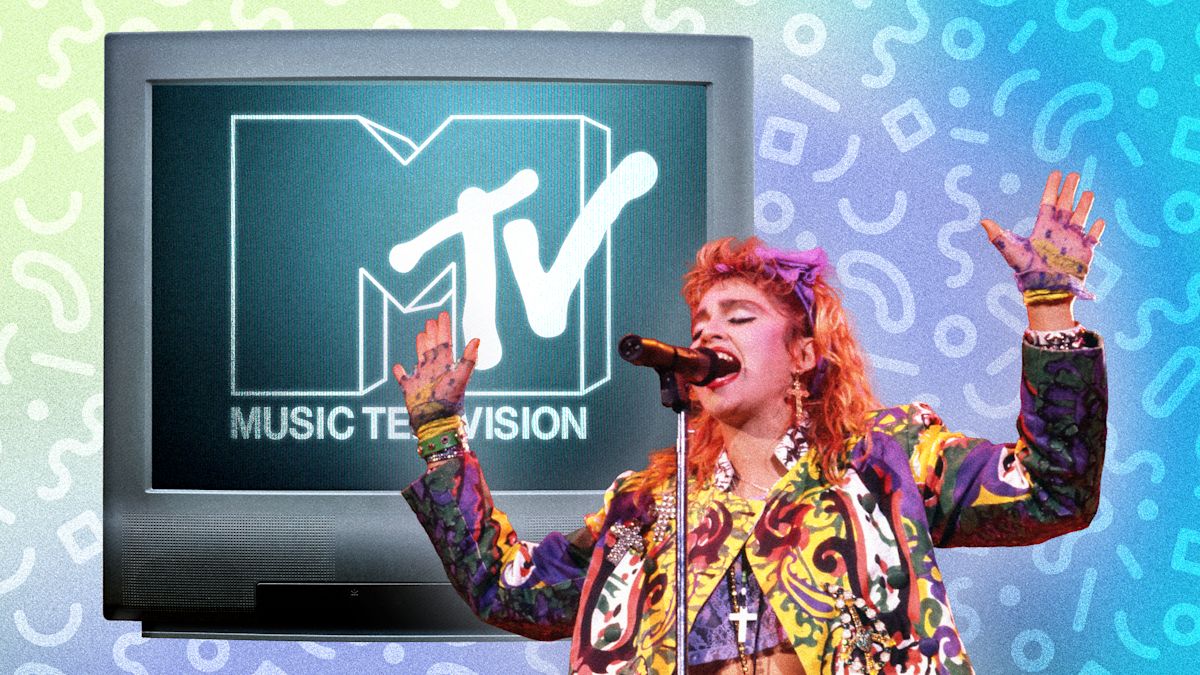
MTV, a 45-year-old network known for revolutionizing music consumption, was once the heartbeat of pop culture. Launching in 1981, it showcased iconic artists like Madonna, David Bowie, Michael Jackson, and Prince, while becoming a vital platform for boy bands and teen culture.
However, MTV has morphed from a leading music channel into a nostalgic emblem, primarily airing reruns of shows like Ridiculousness, which stopped producing new episodes in 2025. Generations X and Y cherish memories of Total Request Live but have seen the channel abandon its musical roots, airing the Video Music Awards only once a year.
The Original MTV
In its heyday, MTV was crucial in captivating teenage audiences, a demographic often overlooked by advertisers. Video jockeys (VJs) introduced music videos, turning them into essential promotional tools. As noted in I Want My MTV: The Uncensored Story of the Music Video Revolution, these videos transformed the music industry, shaping careers and uniting audiences.
MTV’s singular influence faded in the 1990s when it began exploring varied programming beyond music. The shift accelerated with The Real World in 1992, laying the groundwork for modern reality TV, followed by successful shows like Beavis and Butt-Head and Jersey Shore. By the time MTV dropped “Music Television” from its logo in 2010, music videos were largely relegated to spinoff channels.
A Shift in Identity
The rise of streaming services and cord-cutting further challenged MTV’s relevance. In 2025, parent company Paramount Skydance closed MTV’s UK music-only channels, leading to rumors of the network’s demise. Yet, MTV remains operational, with the VMAs still drawing audiences, especially when simulcast with CBS.
Though MTV has changed, it still plays a role in the music landscape by running channels like MTV Classic and MTV Live, focusing on different eras of music videos.
The Future of MTV
While music discovery has shifted to platforms like TikTok and YouTube, MTV continues to provide curated content, albeit in a different form. Nostalgia for the original MTV isn’t about wishing for constant music video rotations but a longing for a time when culture felt more unified. As we reflect on its legacy, it’s clear: algorithms may have transformed the landscape, but MTV’s influence will be remembered.