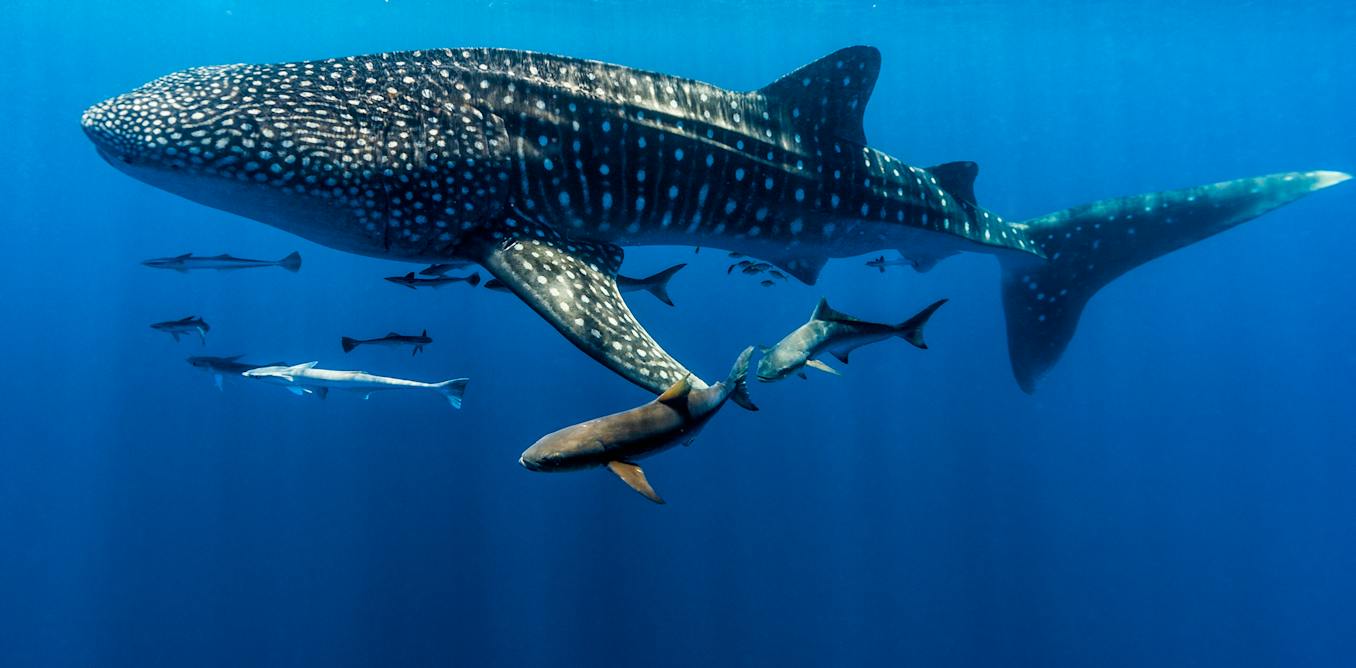
The article highlights the extensive migratory behaviors of sharks and rays, emphasizing the importance of understanding their movements to aid in conservation efforts. Notable examples include a white shark that traveled nearly 11,000 kilometers from South Africa to Australia and school sharks covering 3,000 kilometers to New Zealand. Despite these long-range migrations, significant gaps in research exist regarding the movements of many species, particularly the 18 for which no data is available.
Key reasons for their migrations include searching for food, breeding, and adapting to favorable environmental conditions. The study identified five species that cross national borders, but many threatened species lack adequate data.
The article calls for increased international cooperation, targeted research, and strategic tracking initiatives to better protect migratory sharks and rays. It stresses that Australia should refine its categorization of these species to align with scientific understanding, ultimately improving conservation strategies.