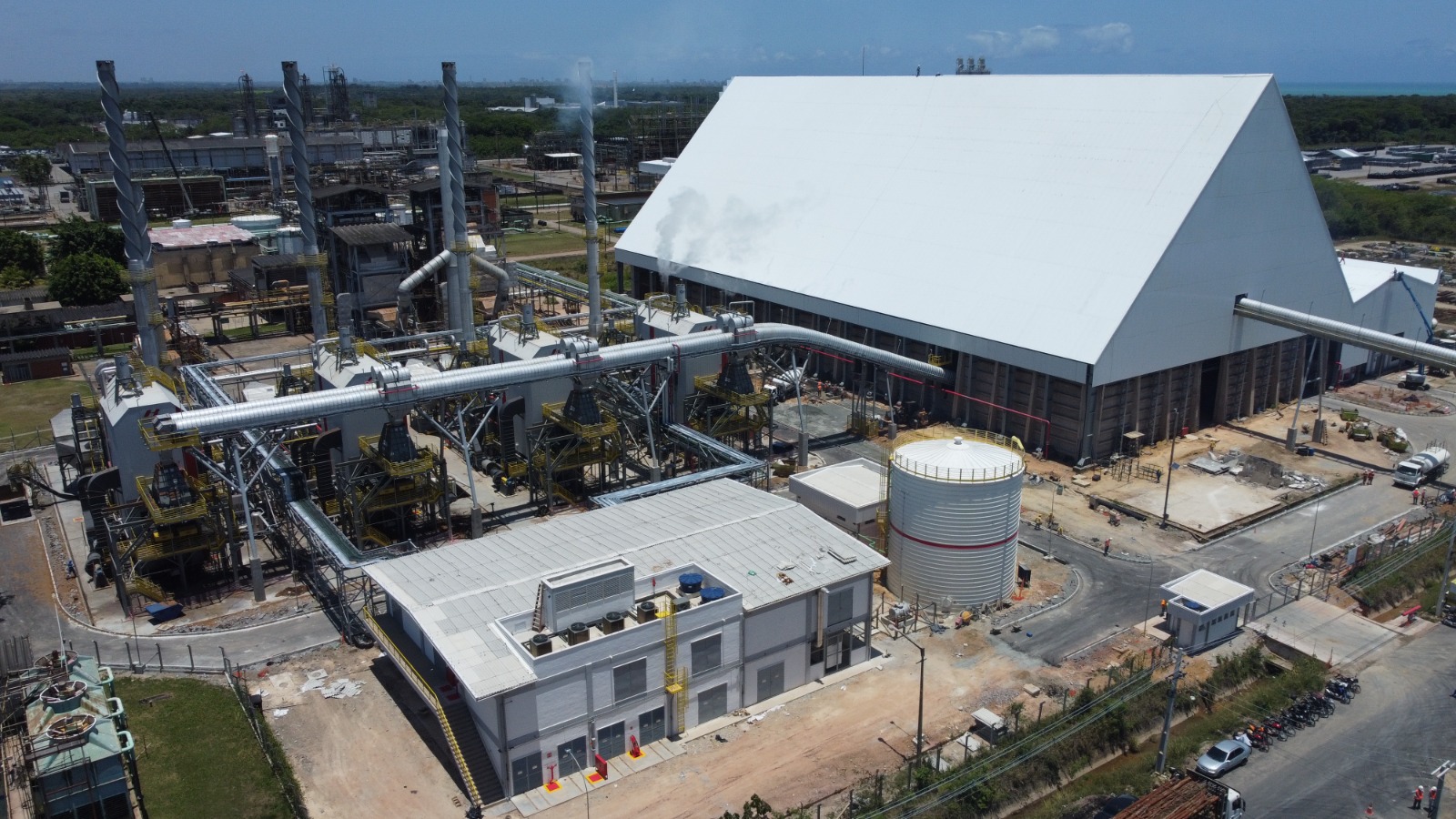
Braskem Accelerates Decarbonization Efforts with Significant Emission Reductions
São Paulo, September 17, 2026 – Braskem has successfully achieved over two-thirds of its goal to reduce greenhouse gas (GHG) emissions by 15% by 2030, largely due to its Industrial Decarbonization Program. This initiative has resulted in a reduction of more than 1.2 million tons of CO₂e per year.
Key Highlights:
-
Energy and Climate Strategy: Braskem’s approach combines energy efficiency, electrification, and energy matrix transition to strengthen competitiveness amidst increasing emphasis on emissions reduction in industrial investment decisions.
-
Management and Infrastructure Changes: The Industrial Decarbonization Program, initiated in 2021, consists of improving climate management culture and implementing efficiency initiatives. Notable projects include:
- Vesta Project: In São Paulo, replacing steam turbines with efficient electric motors has led to an annual reduction of about 100,000 tons of CO₂e and improved energy efficiency by 7.3%.
- Renewable Boiler: A new boiler powered by renewable electricity is set to be installed at the Paulínia facility, targeting a 65% reduction in CO₂e emissions.
-
Innovative Fuel Solutions: At the Triunfo Petrochemical Complex in Rio Grande do Sul, biomethane is being utilized to replace natural gas, demonstrating a commitment to sustainable fuel sources.
-
Significant Biomass Projects: In Alagoas, Braskem has completely replaced fossil fuels with eucalyptus biomass for steam generation, achieving an approximate 150,000 tons of CO₂e reduction annually.
Looking Forward
Gustavo Checcucci, Braskem’s Industrial Energy and Decarbonization Director, emphasized that decarbonization is an ongoing agenda, aimed at creating environmental and economic value simultaneously. The company’s commitment to energy transition is reflected in its operational strategies and ongoing projects, striving for a sustainable future while maintaining competitiveness.


