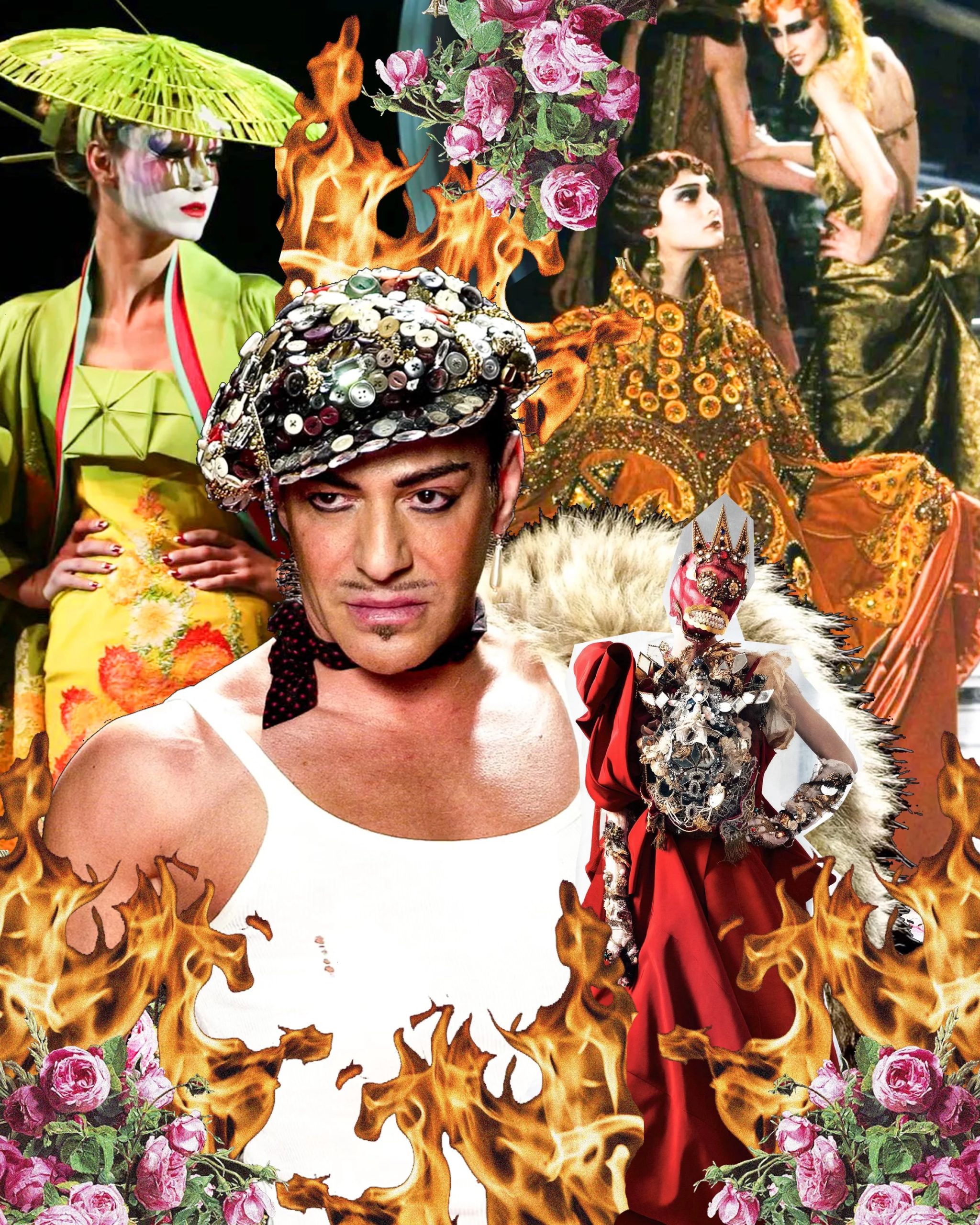
This passage critically discusses the controversy surrounding John Galliano, the fashion designer, particularly following his antisemitic remarks in 2011 and the subsequent attempts to rehabilitate his image. The text touches on various themes including the critique of how the fashion industry, particularly figures like Anna Wintour, has handled Galliano’s legacy, as well as the broader societal implications of separating art from the artist.
-
Galliano’s Downfall and Rehabilitation: The piece details Galliano’s public fall from grace after his offensive comments and highlights how, despite this, prominent figures in fashion sought to reinstate him in the industry. It raises questions about accountability and whether one can truly separate the creator from their work.
-
Public Reception and Industry Reaction: The backlash against a retrospective exhibition of Galliano suggests a wider condemnation of his actions, which reflects an evolving societal stance on problematic figures. While the fashion industry often celebrates creativity, this incident showcases the tension when personal behavior clashes with public morality.
-
Cultural Commentary: The author places Galliano alongside other controversial figures in art and entertainment, discussing how society grapples with appreciating their contributions while confronting their problematic behaviors. The text implies that the scrutiny of Galliano is particularly relevant in the context of rising antisemitism and other social justice movements.
-
Legacy and Historical Perspective: Comparisons to designers like Coco Chanel underscore the idea that a retrospective should encompass both the positive and negative aspects of an individual’s legacy. This approach is essential for a holistic understanding of their impact on culture and society.
In summary, the passage critically examines the complexities of celebrating the work of a controversial figure in fashion while navigating ongoing discussions around morality, accountability, and legacy.