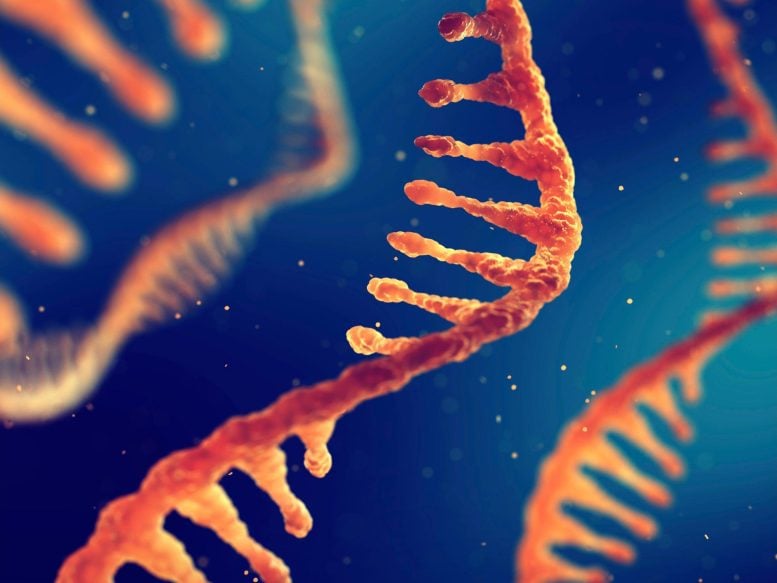
The recent study from Texas A&M University highlights the potential dangers of RNA accumulation within cells, particularly regarding its impact on mitochondria, the cell’s energy powerhouses.
Key Insights:
-
RNA Overload Issues: Excessive RNA can disrupt mitochondrial function, impairing energy production. This can result from viral infections, such as poxvirus, which generate large amounts of RNA within host cells.
-
RNA Types: Different types of RNA play varying roles—messenger RNA (mRNA) carries genetic instructions, while double-stranded RNA (dsRNA) signals immune activity during infections. Both can become harmful when accumulated beyond cellular removal capacity.
-
RNA Degradation Importance: The study emphasizes the necessity for cells to degrade excess RNA to maintain energy balance and proper functioning.
-
Direct Damage to Mitochondria: Research demonstrated that RNA could directly harm mitochondria, a surprising discovery as previous beliefs centered on immune responses causing such damage.
-
Electrical Disruption Hypothesis: The negatively charged nature of RNA may interfere with the electrical balance required for mitochondria, prompting further investigation into this mechanism.
-
Broader Implications: The findings could inform understanding of various diseases, including cancers and neurodegenerative disorders, where RNA buildup may be a contributing factor.
-
Impact on RNA-Based Therapies: Insights from this research may refine the development of RNA-based therapeutics, including mRNA vaccines, by exploring optimal dosing and degradation processes.
Conclusion:
This research uncovers crucial aspects of RNA homeostasis and its significant role in cellular energy management, potentially linking RNA dynamics with broader health issues and therapeutic strategies.


