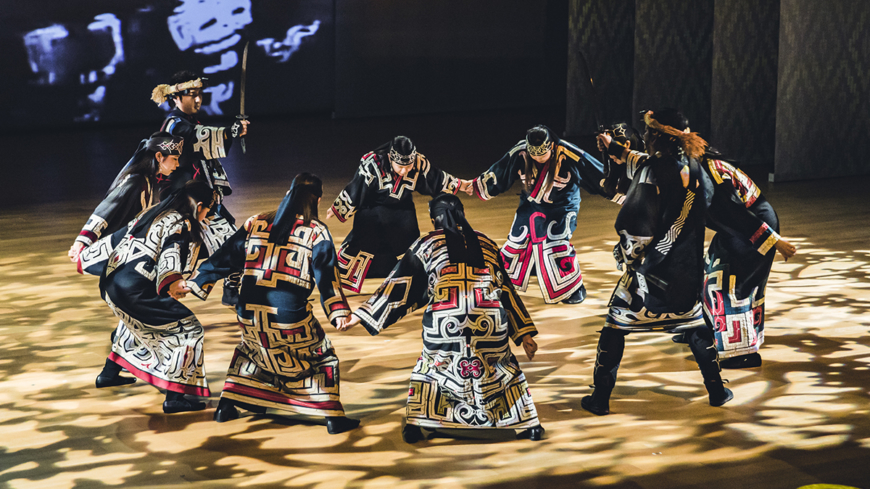
The Ainu people, primarily found in Hokkaido, Japan, have a rich history dating back roughly 30,000 years. Their unique culture, deeply rooted in a reverence for nature and spiritual beliefs, began to flourish in the 13th century, encompassing hunting, fishing, and trade. Unfortunately, Ainu culture faced significant challenges during the Meiji Era due to forced assimilation policies. Only in 1997 did Japan recognize the Ainu as a distinct ethnic group, leading to efforts for cultural preservation and revitalization.
The Upopoy National Ainu Museum and Park, established in Shiraoi, Hokkaido, serves as a hub for Ainu culture. The site features a museum, park, and memorial area for the Ainu people. With exhibits presented in multiple languages, it emphasizes both past and present narratives of Ainu life. Visitors can engage in traditional crafts, performances, and culinary experiences. Upcoming events, such as the Tourism Expo Japan 2026, will further showcase Ainu heritage, including crafts and performances.
For more information, you can visit their official site at Ainu Upopoy.