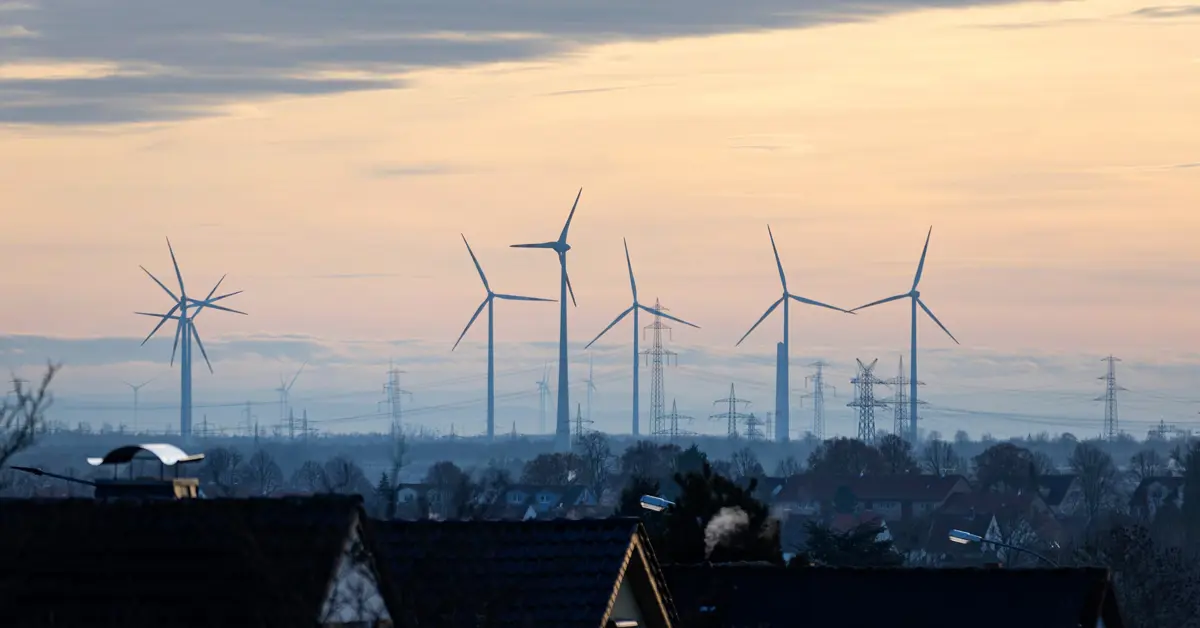
As Europe prepares for winter, electricity markets are issuing strong warning signs reminiscent of the past energy crisis. In Germany, January wholesale power costs have surged above €180 per megawatt-hour, marking a 60% increase from the previous year. The surge is primarily driven by rising natural gas prices, exacerbated by competition for supplies and geopolitical tensions, such as the war in Iran impacting gas shipments.
While Europe has made strides since the energy crisis triggered by Russia’s invasion of Ukraine four years ago—building infrastructure for liquefied natural gas (LNG) and reducing fuel consumption—the continent remains heavily reliant on fossil fuels. Higher energy prices threaten to escalate household expenses and inflation as governments navigate the politically sensitive issue of energy costs.
Additionally, challenges like reduced nuclear output in France and low hydro power levels have strained the system further. Experts warn that, in the absence of favorable weather conditions, electricity prices could potentially climb by 50%. However, the immediate impact on consumers might be cushioned due to suppliers purchasing advance contracts at lower rates.
Overall, Europe’s improved resilience contrasts with the 2022 peak prices, which soared over €1,000 per megawatt-hour. The ongoing demand for gas from external markets underscores the vulnerability of European energy prices to global fluctuations.
While renewables continue to provide some stability against fossil fuel price volatility, their impact is less significant during winter months. Policymakers are exploring options to bolster gas-fired power generation, indicating a continued reliance on traditional energy sources. Despite the challenges ahead, analysts suggest that high costs may be temporary if geopolitical tensions ease and weather conditions are favorable.


