Cultural Significance of Hair-Cutting Rituals in Southeast Asia
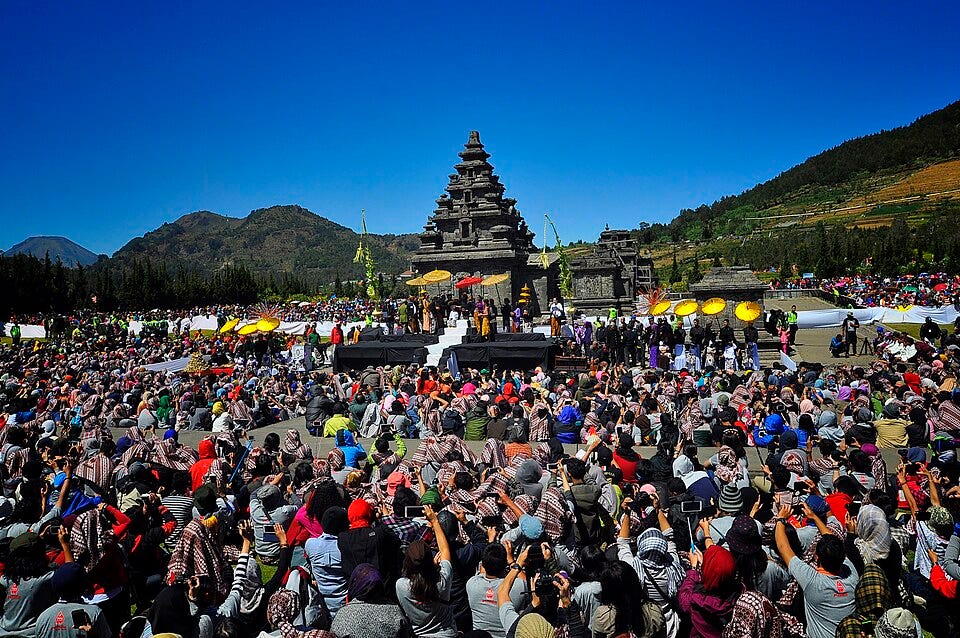
Hair has profound cultural and spiritual importance in various Southeast Asian communities. One notable example is the Dieng Culture Festival (DCF) in Central Java, Indonesia, which features the ‘ruwatan rambut gimbal’ (Gimbal Hair Purification Ritual). This ceremony is for children whose hair forms matted, dreadlock-like strands.
Similar hair-cutting traditions can be found across the region, such as Poy Sang Long in Thailand and Kor Chuk in Cambodia. These rituals often symbolize significant life transitions, mark entry into adulthood, and reflect a community’s cultural heritage.
The Dieng Culture Festival
Held annually in late August, the Dieng Culture Festival combines traditional cultural rituals with modern festivities. In 2026, the festival embraced the theme ‘Spirit of Harmony’, showcasing events like:
- Dieng Coffee Festival: A celebration of local coffee production, generating significant economic activity.
- Cultural Processions: Events leading to the ruwatan ritual.
- Lantern Festival: Releasing sky lanterns symbolizes hope and unity.
- Jazz Concerts: Blending tradition with contemporary music.
- Environmental Initiatives: Promoting cleanliness in the local area.
Ruwatan Rambut Gimbal
The Ruwatan Rambut Gimbal ceremony is pivotal, as “ruwatan” means to release or free from misfortune. Children with gimbal hair, termed ‘bocah gembel’, undergo this ritual to cleanse their hair, which is treated with great respect. The matted hair is not cut carelessly; it is released as part of a communal celebration, reinforcing ties to tradition and cultural identity.
Comparisons with Other Traditions
- Kor Chuk in Cambodia: A hair-cutting ritual marking the transition from childhood to adulthood, often lasting two days.
- Poy Sang Long in Thailand: A rite for boys transitioning into monkhood, celebrating their entry into spiritual life.
Shared Themes
Despite the distinct forms of these rituals, they share themes of:
- Protection and Purification: The rituals often include spiritual beliefs aimed at safeguarding individuals from negative influences.
- Community Involvement: Family and community play integral roles in these ceremonies, emphasizing the collective nature of cultural identity.
- Cultural Preservation: These traditions are vital for passing down values and maintaining cultural heritage across generations.
Conclusion
Hair-cutting rituals in Southeast Asia encapsulate a community’s identity and beliefs. As traditions like Kor Chuk face decline, the future of these practices relies on the younger generations to continue them. The Dieng Culture Festival exemplifies how local traditions can thrive in contemporary contexts, ensuring they are not merely relics of the past but vibrant parts of Southeast Asia’s cultural landscape. Keeping traditions alive is not just about preservation, but about empowering the next generation to carry them forward.


