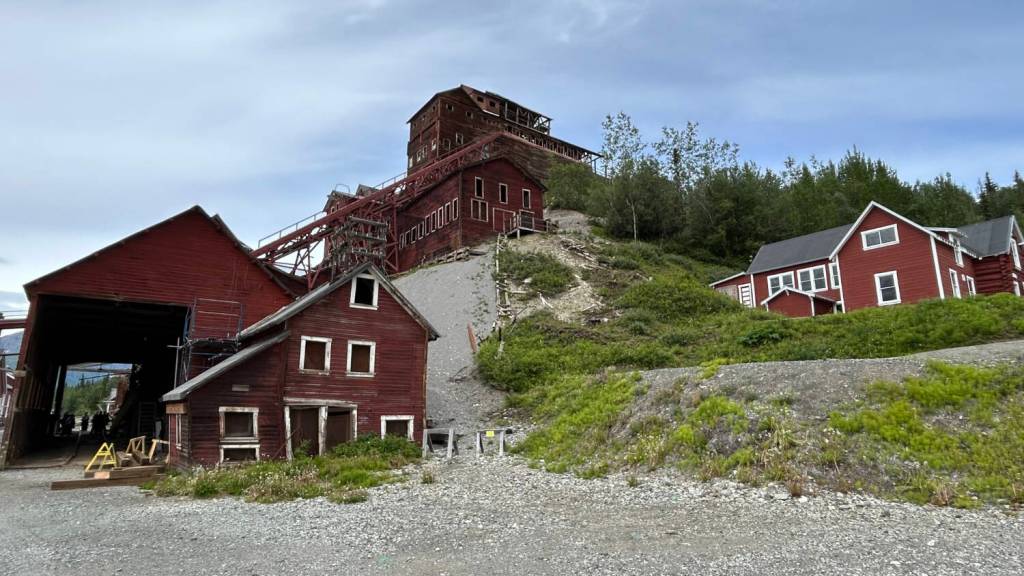
The article reflects on a recent visit to Kennecott Mines National Historic Landmark, contrasting it with a prior visit nearly 30 years earlier. While some buildings have been restored or preserved, remnants of the mine’s past still linger.
Originally a thriving copper-producing site from 1911 to 1938, Kennecott’s geology is rich with mineral formations, particularly chalcocite, which is over 80% copper by weight. Researchers Bateman and McLaughlin explored these deposits in 1920, noting their unique purity and occurrence.
A guided tour highlighted the geological features contributing to the site’s copper wealth, including the Nikolai Greenstone and Chitistone Limestone formations. Through geological processes, fluids enriched with copper migrated and solidified into concentrated ore deposits.
Along the tour, signs of copper’s presence were evident—from the colors in the rock to the excitement of discovering minerals. The connection to the past remained palpable, as visitors reflected on the historical significance of copper mining at Kennecott.


