That’s No Moon. It’s an Orbital Weapon.
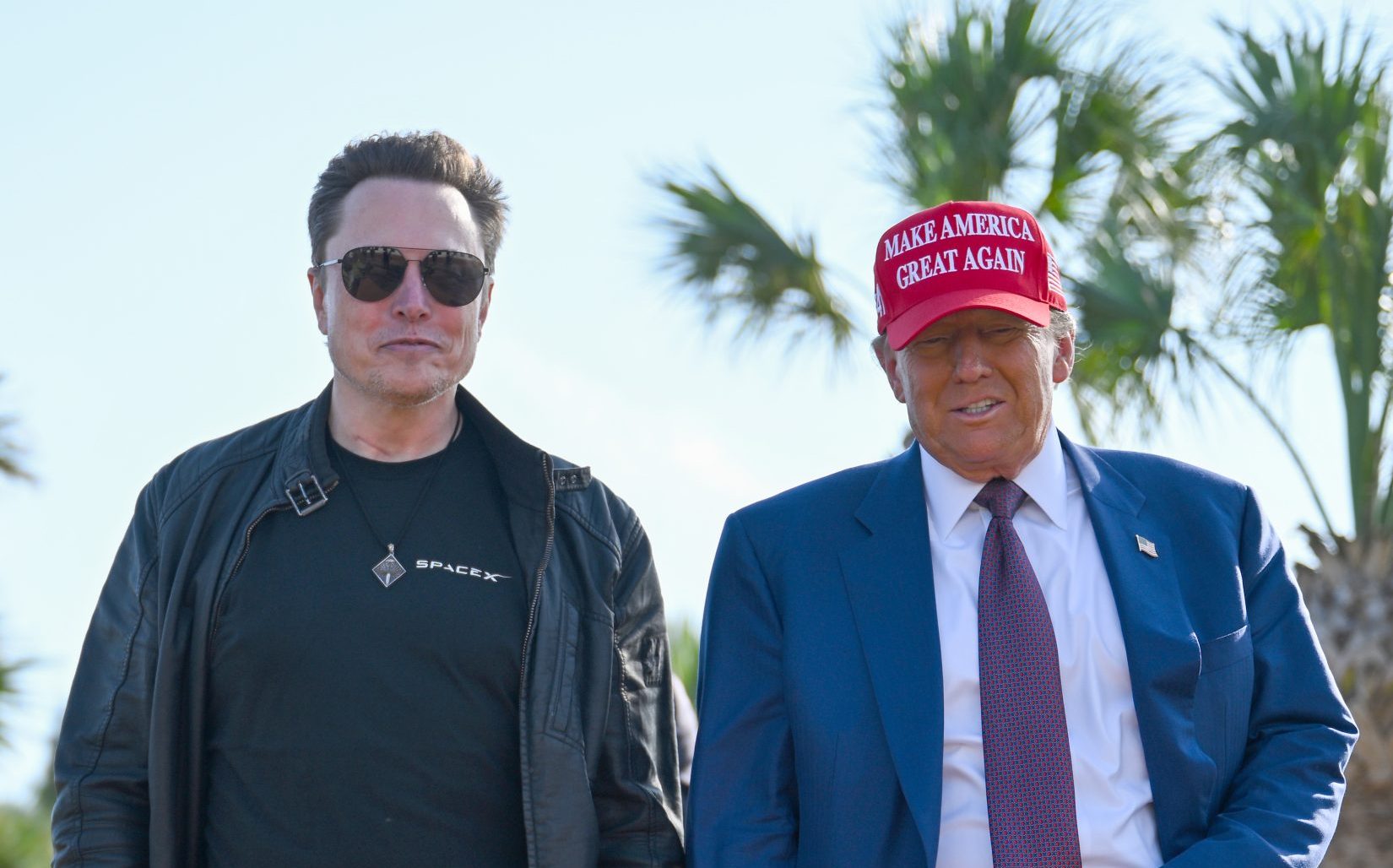
Elon Musk and Donald Trump (Brandon Bell/Getty Images)
Outer space has traditionally been the realm of astronauts and science fiction. Recently, however, Air Force Secretary Troy Meink signaled growing tensions, stating that “the United States now has on-orbit space control weapons.” This declaration underscores the increasing significance of satellites for military and economic strategies globally. In the event of a conflict between major powers, battles might escalate into space.
The race for space weapons began shortly after the dawn of spaceflight. Following the launch of Sputnik in 1957, both the U.S. and the Soviet Union conducted nuclear tests in orbit, with the American Starfish Prime test damaging numerous satellites. By the mid-1960s, treaties like the Outer Space Treaty sought to prohibit the placement of nuclear weapons in space, aiming to prevent total destruction in potential conflicts.
Yet, with recent developments, Russia appears to be flouting treaty obligations by reportedly preparing to deploy nuclear weapons in orbit. Both Russia and China have demonstrated irresponsible behavior in space, including anti-satellite missile tests that create hazardous debris.
Historically, the U.S. sought to keep conflicts out of space because it stood to lose the most. While the Soviets initially led the space race, the U.S. quickly advanced, launching satellites adept at espionage and communication. However, as China and Russia bolster their own space capabilities, including a significant satellite infrastructure, the landscape has changed.
Despite the alarming developments, the U.S. is not stagnant. The establishment of the Space Force under Donald Trump and private initiatives like SpaceX’s extensive Starlink satellite network signify advancements in American space capabilities.
Recent examples illustrate the practical impact of these capabilities on global events. In 2022, Elon Musk’s Starlink terminals aided Ukraine significantly after the Russian invasion. Conversely, adversaries have also leveraged satellite intelligence to conduct strikes against U.S. assets.
It’s crucial now for the U.S. to counter these emerging threats, especially in the Pacific, where China’s missile arsenal poses a challenge. While engaging in direct satellite warfare is risky due to potential fallout on U.S. assets, alternatives like hacking or blinding adversarial satellites may be necessary.
However, advanced technologies are futile without effective information sharing. The ongoing conflict in Ukraine demonstrates the importance of rapidly transmitting intelligence to decision-makers. The U.S. must overcome its current limitations in sharing intelligence with allies like Taiwan and Japan to maximize the utility of its technological advancements in space.


