Understanding Pyrocumulonimbus Clouds and Their Impact on Wildfires
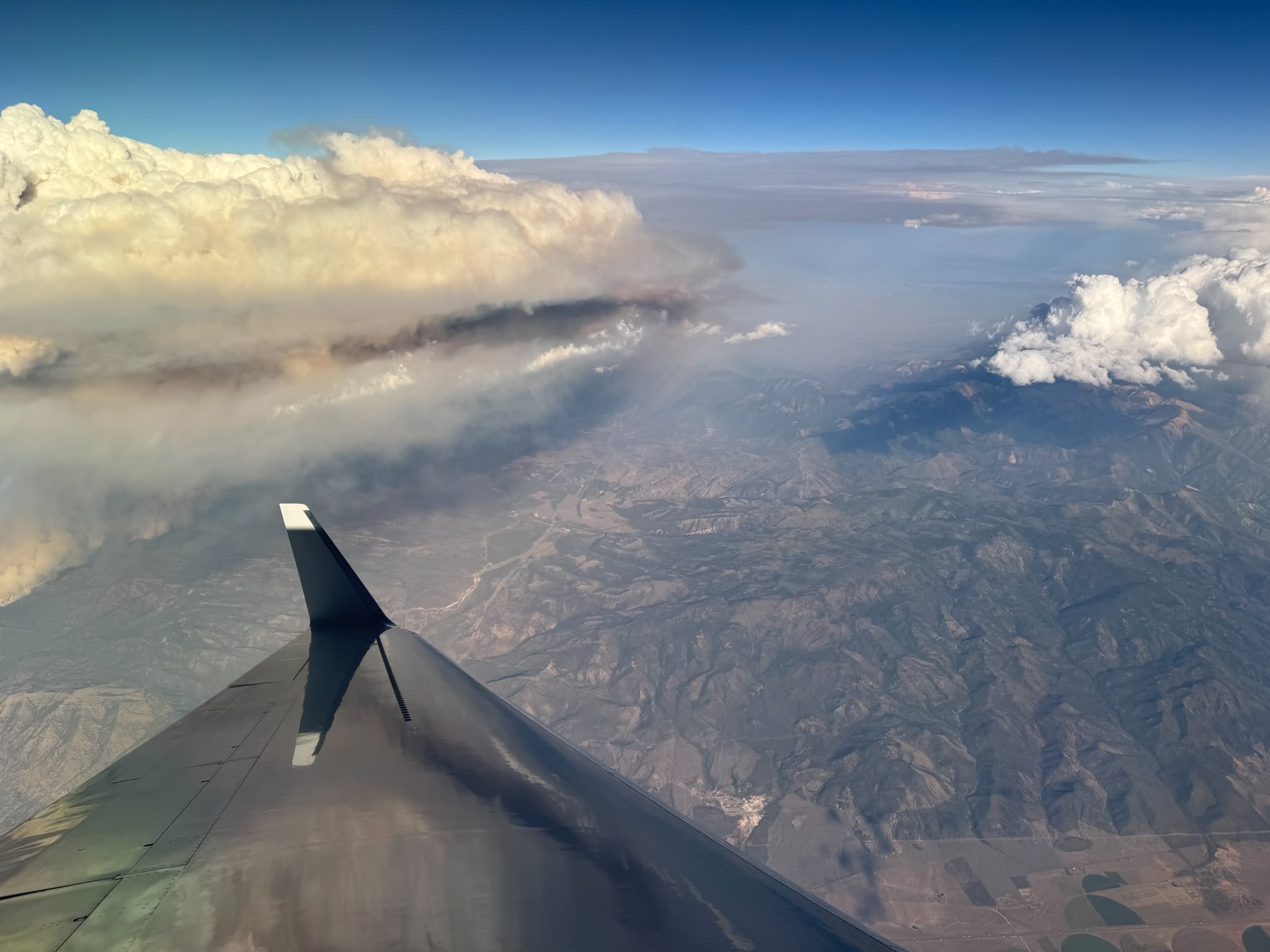
The recent eruption of the Wildhorse grass fire in eastern Idaho has highlighted a remarkable weather phenomenon: the pyrocumulonimbus cloud, or pyroCb. This unexpected event, characterized by a significant pulse of smoke, drew the attention of scientists participating in NASA’s INSPYRE (INjected Smoke and PYRocumulonimbus Experiment) campaign, which aims to study these rare clouds across western North America.
What Are Pyrocumulonimbus Clouds?
Pyrocumulonimbus clouds form above intense wildfires, leading to the production of lightning, rain, and powerful winds that can exacerbate fire conditions. These clouds can reach altitudes of 30,000 to 50,000 feet (10 to 15 kilometers), similar to the cruising altitudes of commercial aircraft, and can even penetrate the stratosphere.
The Significance of PyroCbs
The importance of pyroCbs became clearer in the early 2000s when satellite observations showed particles rising to altitudes typically associated with major volcanic eruptions. This smoke can have extensive effects on climate and weather far from the original fire site and can linger for much longer than smoke trapped in the lower atmosphere.
Researchers, such as Olga Kalashnikova from NASA’s Jet Propulsion Laboratory, emphasize the need to unravel the mystery surrounding the formation of pyroCbs, especially considering their potential to influence weather patterns and climate.
The INSPYRE Campaign’s Focus
The INSPYRE researchers embarked on an intensive study using a Gulfstream jet for six weeks to analyze fire-induced weather phenomena. They collected data on smoke particles, sampled gases, and monitored radiation. Additionally, NASA’s ER-2 aircraft flew above the clouds, concurrently assessing fire intensity and smoke properties.
Neil Lareau of the University of Nevada, Reno, noted that understanding when and how pyroCbs develop will benefit firefighters by providing alerts in advance of dangerous weather shifts caused by these clouds.
Real-time Discoveries
On August 26, the INSPYRE team had a serendipitous encounter with a pyroCb stemming from the Wildhorse fire. This opportunity enabled them to gather vital measurements of the smoke plume shortly after its formation, greatly contributing to the overarching research aims.
Future Implications
The research outcomes from INSPYRE could lead to better forecasting for wildfires, enhancing Earth system models that lack explicit considerations for the effects of pyroCbs. With measurements of particles and gases being studied, the aim is to understand better the smoke’s impact on solar energy absorption and overall climate.
Conclusion
In the pursuit of understanding pyroCumulonimbus clouds, the INSPYRE campaign opens new avenues for climate science and wildfire management. The findings not only heighten awareness of pyrocumulonimbus phenomena but also emphasize the necessity for researchers to continue investigating the interplay between intense wildfires and atmospheric dynamics.


