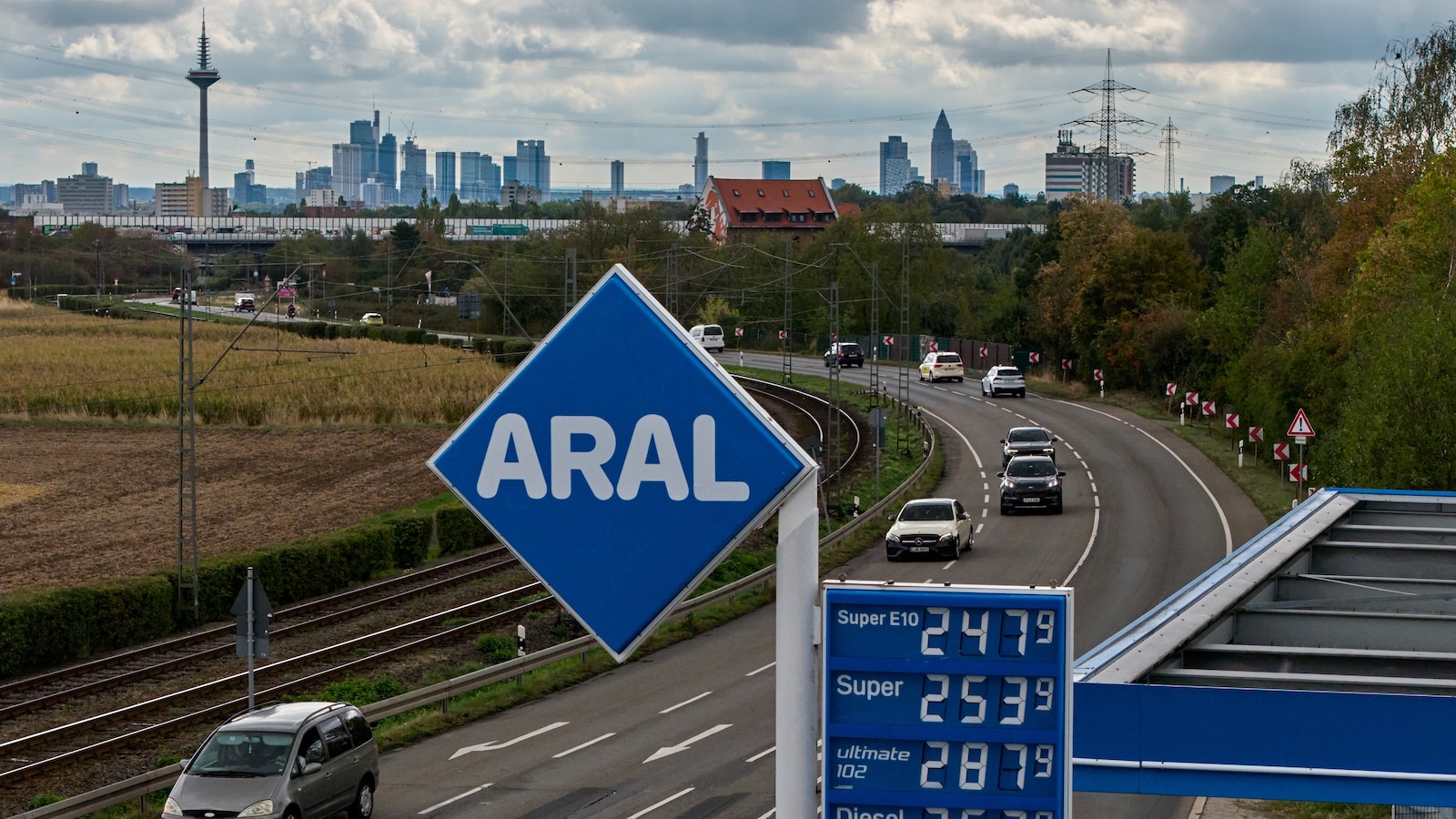
European Governments Take Action Amid Energy Crisis
Overview
Countries across Europe are implementing various measures to mitigate the economic pressures resulting from soaring fuel prices influenced by conflicts in the Middle East and the ongoing war in Ukraine. These initiatives include subsidies, taxes, and policy revisions aimed at protecting citizens and businesses.
Energy Sector Challenges
Since the outbreak of the Iran conflict, energy supplies have been severely impacted, prompting significant intervention by governments. According to the Organization for Economic Cooperation and Development (OECD), a substantial number of European Union nations are among the top ten countries actively managing the economic fallout.
Specific Measures Implemented:
- Lithuania: Halved train ticket prices.
- Greece: Increased taxes on gambling to finance public relief efforts.
- Italy: Postponed the shutdown of coal power plants and expedited approvals for oil and gas projects.
- The Netherlands: Boosted funding for home energy-saving programs.
- Poland: Proposed high taxes on fuel producers’ profits.
Economic Context
The EU’s dependency on energy imports is significant, relying on imports for 57% of its energy needs. In the face of rising fuel costs, citizens are confronting unprecedented prices, with some areas reporting costs exceeding $12 per gallon. Daily, EU residents are spending an additional €203 million ($231 million) solely on diesel fuel.
Strategic Financial Support
In response to the crisis, the EU has allowed temporary state aid for households and energy-intensive industries. Investment leeway has also been expanded to enhance energy security and reduce dependence on imported fossil fuels.
National Responses
- France: Announced a €450 million relief package, extending aid for long-distance commuters and providing subsidies for farmers and fishermen.
- Germany: Renewed fuel tax cuts to reduce prices by 17 cents per liter and engaged in talks about implementing a fuel price cap.
- Spain: Extended tax reductions on fuel and offered further subsidies for essential sectors.
EU and International Dynamics
As Europe strives to lessen its reliance on Russian gas, it is turning increasingly to the U.S. for energy supplies. However, concerns have arisen regarding proposed bans on diesel exports from the U.S., which could complicate the energy landscape for Europe.
Future Directions
European leaders emphasize the need for greater investment in renewable energy and electrification of industries to diminish future dependence on fossil fuels. They anticipate significant long-term savings by reducing reliance on imported energy.
Conclusion
As Europe navigates these tumultuous times, the measures taken today aim to alleviate immediate pressures while setting foundations for a more sustainable and self-reliant energy future.


