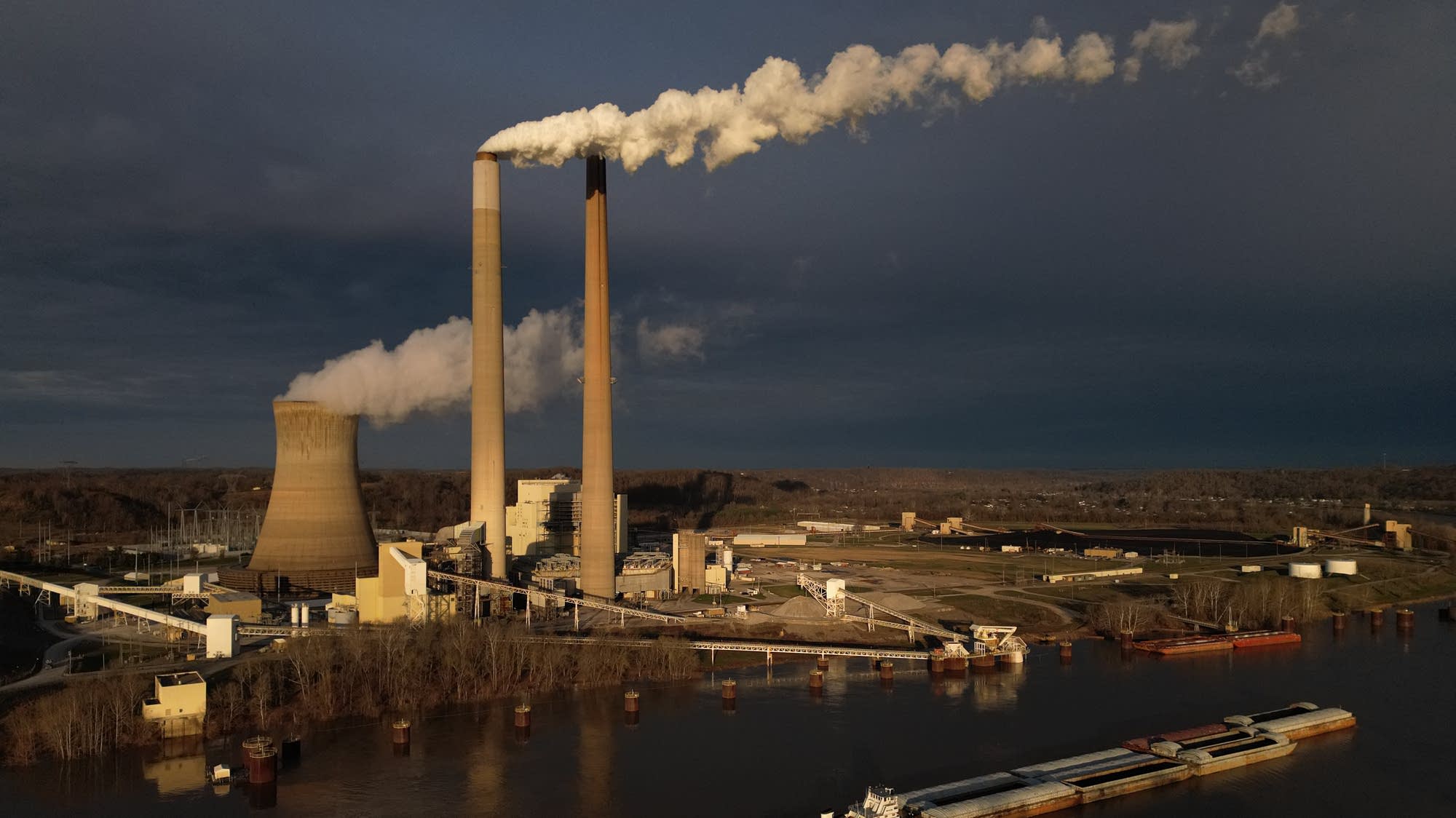
The Environmental Protection Agency (EPA) announced its decision to repeal regulations that limited greenhouse gas emissions from power plants powered by coal and natural gas. This repeal represents a shift from previous administrations’ efforts to combat climate change. While the EPA asserts that this change could save the industry over $300 billion and allow utilities to make more cost-effective decisions, environmental groups criticize it for its potential negative impact on public health and the environment.
The new rule is expected to face legal challenges and is part of a broader initiative to roll back numerous environmental protections established under prior administrations. These changes are set against the backdrop of a G20 meeting focused on energy, where the U.S. administration’s actions may contrast with international efforts toward sustainable practices.
Former Vice President Al Gore responded to the EPA’s decision, highlighting that it goes against global trends towards clean energy and poses risks to public health and environmental safety. The EPA’s rollback also raises concerns about the potential for increased pollution and associated health risks, as power plants are significant contributors to climate change emissions.
As this policy shift unfolds, it may provoke a range of reactions from advocacy groups and could result in ongoing legal disputes.


