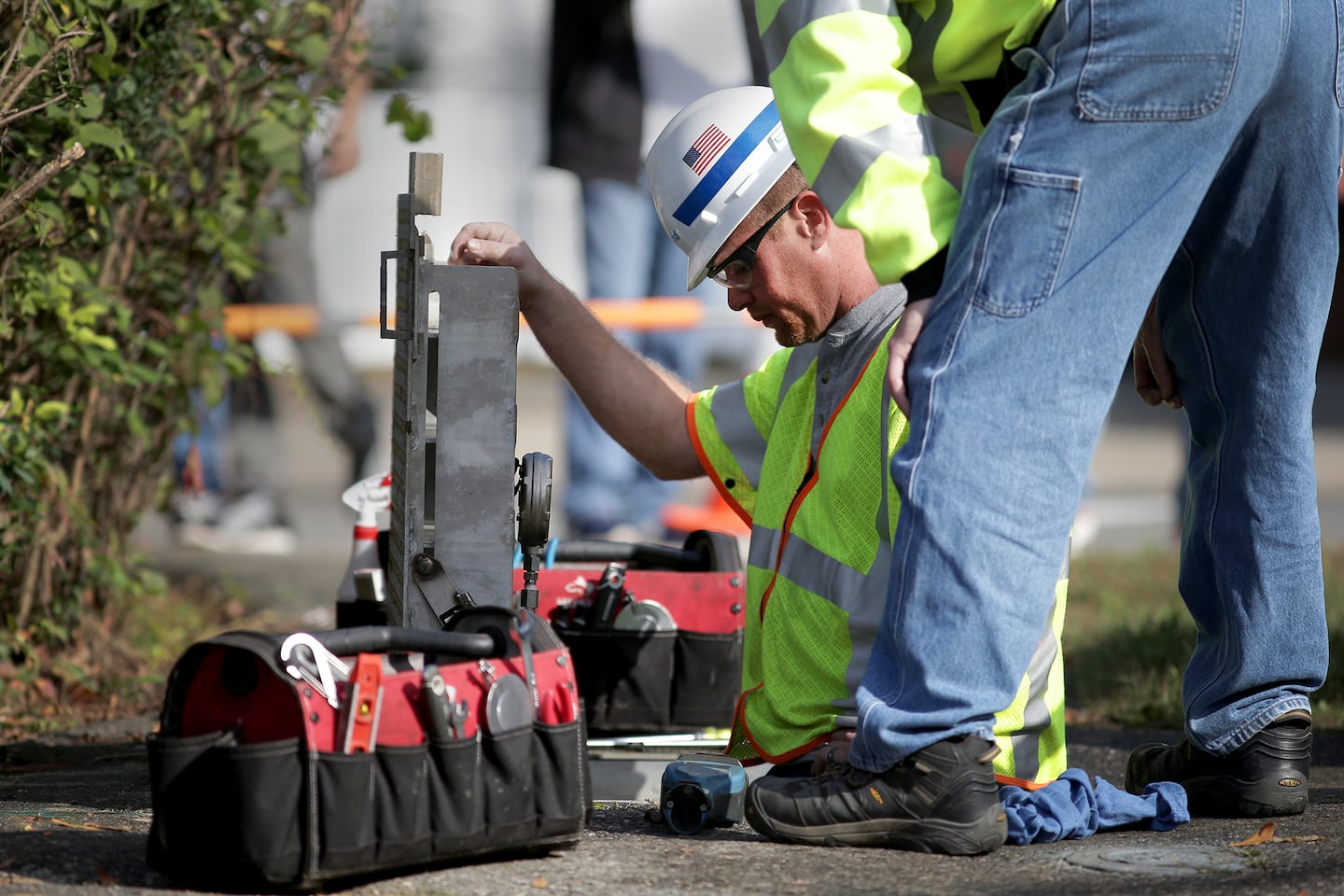
The report indicates that aggressive pipeline replacement efforts, notably in Massachusetts, have resulted in more incidents compared to states with less proactive measures, implying that the act of excavating old pipes can introduce risks. Jamie Van Nostrand, the policy director of the nonprofit behind the report, suggests that states could reduce spending on these replacement programs without sacrificing safety.
Despite this assertion, the gas industry defends these replacement efforts as essential for customer safety, arguing that the benefits of averted incidents are unquantifiable. The report coincides with legislative discussions regarding the Gas System Enhancement Program (GSEP), which was initiated in 2014 to enhance public safety and mitigate gas leak emissions. As expenditures have surged to approximately $800 million in 2024, critics claim the program has failed to deliver its intended safety improvements.
State lawmakers are currently debating an energy bill that may affect the future of the GSEP, with some advocating for its phase-out to potentially save customers up to $1.46 billion over a decade. Participants in the discussion, including Senator Michael Barrett, express concern over the value of the spending relative to safety outcomes, questioning the efficacy of the current approach.
The report from the Future of Heat Initiative examines federal gas incident data and reveals that although pipeline replacement expenditures increased substantially post-2011, there hasn’t been a significant corresponding improvement in safety results. In fact, states heavily investing in pipe replacement reported higher rates of significant incidents, emphasizing that excavation damage is a leading cause of gas main incidents.
Experts cite various studies indicating that while replacement programs lead to short-term risks during construction, they may ultimately enhance long-term safety. The American Gas Association refutes the report’s conclusions, claiming it overlooks unquantified incidents that these replacement initiatives prevent. Local utilities maintain that the GSEP has effectively bolstered safety, asserting that incidents like those stemming from Columbia Gas’s negligence in the Merrimack Valley are not representative of the program’s overall impact.
In summary, this discussion highlights a critical examination of the effectiveness, safety, and economic viability of pipeline replacement programs, particularly as Massachusetts reevaluates its approach amidst ongoing safety concerns.


