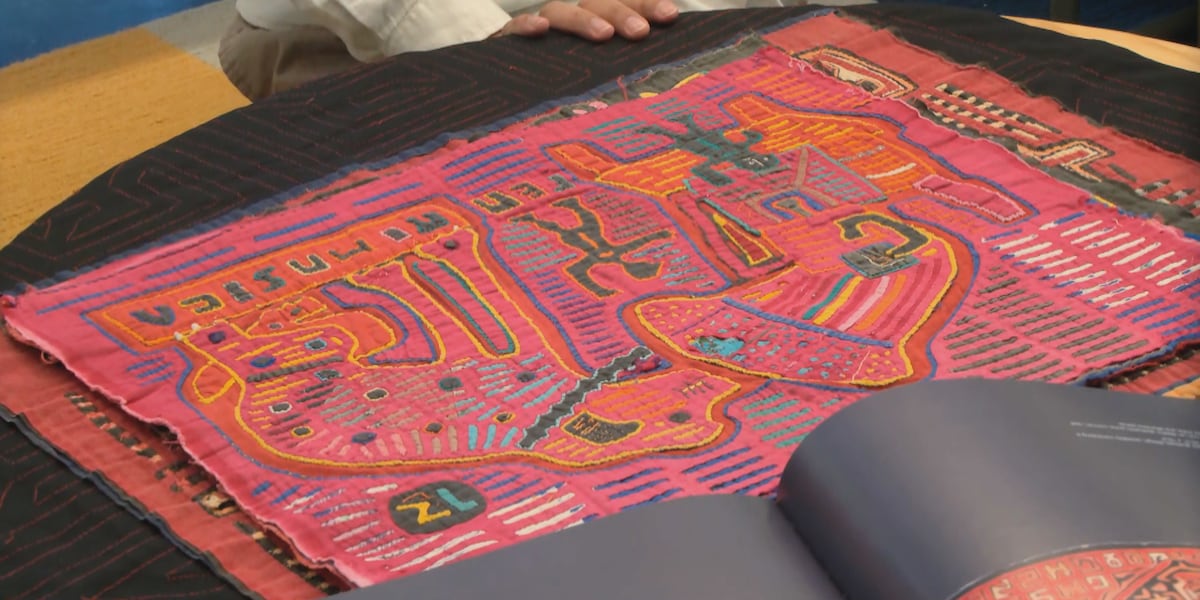
The University of Virginia is merging tradition with technology to better preserve and share Guna culture. Professor Rolando Vargas explained that accessibility is a significant issue for the Guna people, who mainly reside on islands or in Colombia. While digital resources can’t fully bridge this gap, they are fostering new insights into museography from an indigenous perspective.
To aid language preservation, the project employs artificial intelligence to transcribe Guna, which is primarily an oral tradition with no available translation tools like Google Translate. Lisa Blackmore, director of the UVA Digital Humanities Center, noted the collaboration with experts in 3D digital preservation to create public-facing exhibits.
The initiative is also inclusive of community members, emphasizing their vital role in determining what cultural materials should be shared. PhD candidate Slenka Botello highlighted the importance of community involvement in the preservation process, stating that these cultural elements rightfully belong to the Guna people, not external entities.