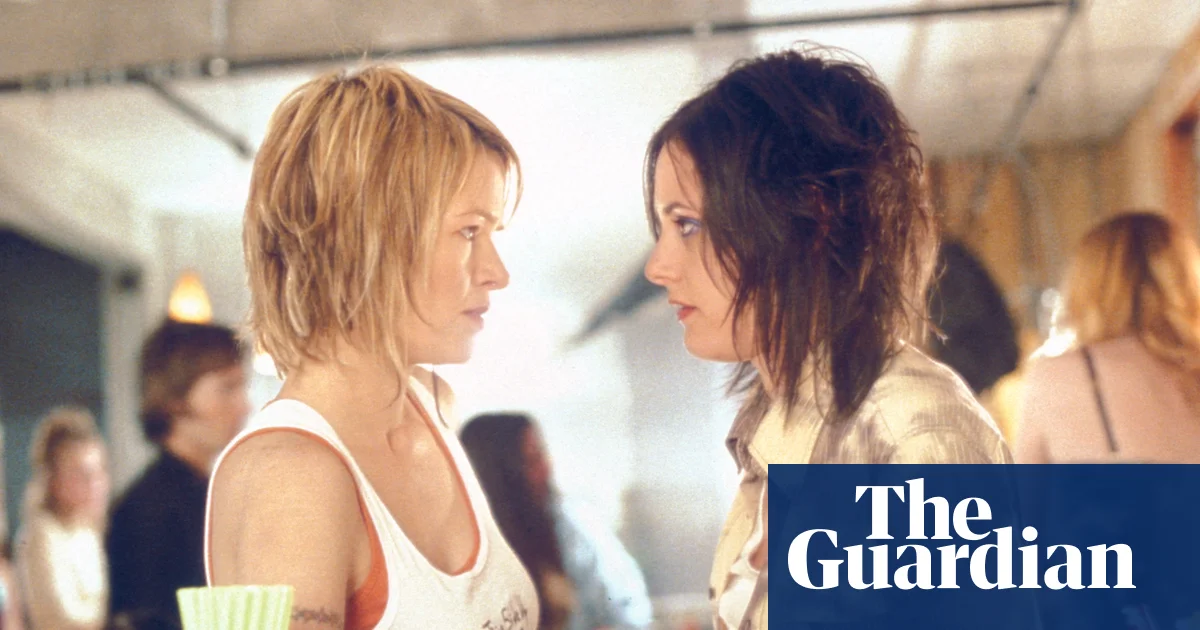
“The L Word,” which premiered in 2004, has garnered a complex legacy among queer audiences. While it’s often celebrated for its bold depiction of lesbian life, its narrative choices and character portrayals have sparked discussions within the community.
The series, centered on a group of queer women navigating relationships and careers in Los Angeles, offers both enticing drama and moments of cringe. Many fans love to hate the show’s melodrama, recognizing its flaws while embracing its significance in queer representation. Despite facing criticism for its treatment of the sole trans character, Max, as well as its predominantly white cast, the show remains a cultural touchstone. By presenting flawed, multifaceted characters who make questionable choices, “The L Word” reflects the complexities of real-life queer experiences.
Through its blend of drama and authenticity, the series has left a lasting imprint on lesbian culture, embodying the multifaceted realities of love and life in all their messy glory. As it continues to resonate, it stands as a hallmark of early 2000s media, reflecting both the triumphs and pitfalls of queer representation in television.