The European Environment Agency (EEA) has published a report highlighting the significant job creation driven by clean energy technologies within the EU, where hundreds of thousands of jobs are now linked to this sector. Despite this growth, challenges remain, particularly concerning skill shortages and underrepresentation of women and young people.
Key Findings:
-
Job Growth:
- Employment in clean energy sectors has outpaced general economic growth, with a growth rate of 2.2% compared to 1.3% in the overall economy.
- The EU has 1.8 million jobs in renewable energy, second only to China’s 7 million.
-
Technology Insights:
- Wind Energy: Largest employer, with approximately 273,500 direct jobs.
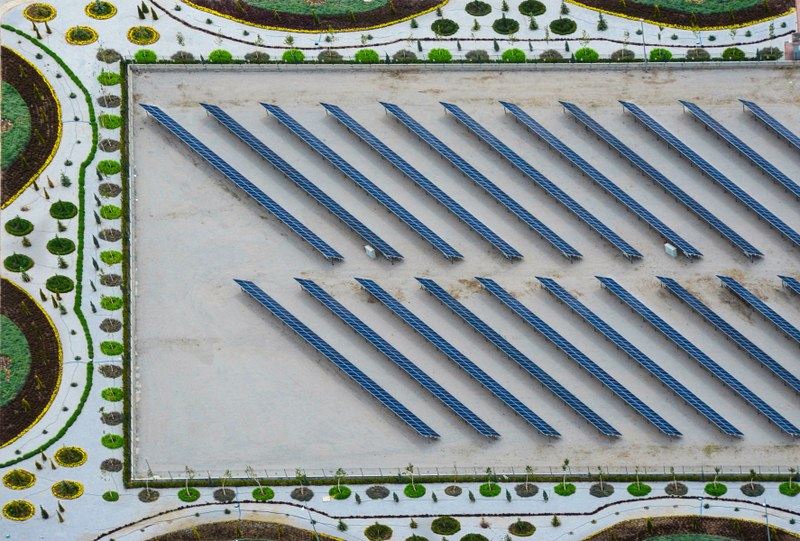
- Solar Photovoltaic (PV): Employs over 227,000, with significant roles in operations and construction.
- Heat Pumps: Estimated 80,100 workers, mainly in construction.
- Batteries: About 33,000 jobs, showing the fastest growth in this sector.
-
Regional Disparities: Employment in clean tech jobs is uneven across the EU, with Germany leading in numerous clean energy sectors while some countries like Portugal, Spain, and Italy excel in heat pump jobs.
-
Inclusivity Challenges:
- Women constitute 14% to 26% of the workforce in certain sectors, and young workers (aged 15-24) represent only 6%-7%.
- Critical skill shortages exist, especially in installation and construction roles, necessitating significant training initiatives.
-
Quality of Jobs:
- Difficulties in job quality vary across sectors, with heat pump jobs paying around 40% less than wind energy jobs.
- Many positions in solar PV and heat pumps are project-based, leading to instability and fewer training opportunities.
Policy Recommendations:
The report underscores the need for coordinated policy frameworks to bolster training and reskilling initiatives, improve job quality, and ensure broader participation across regions. Key policy actions include the Clean Industrial Deal and the proposed Industrial Accelerator Act.
For more detailed insights, the full report can be accessed via the EEA’s website here.