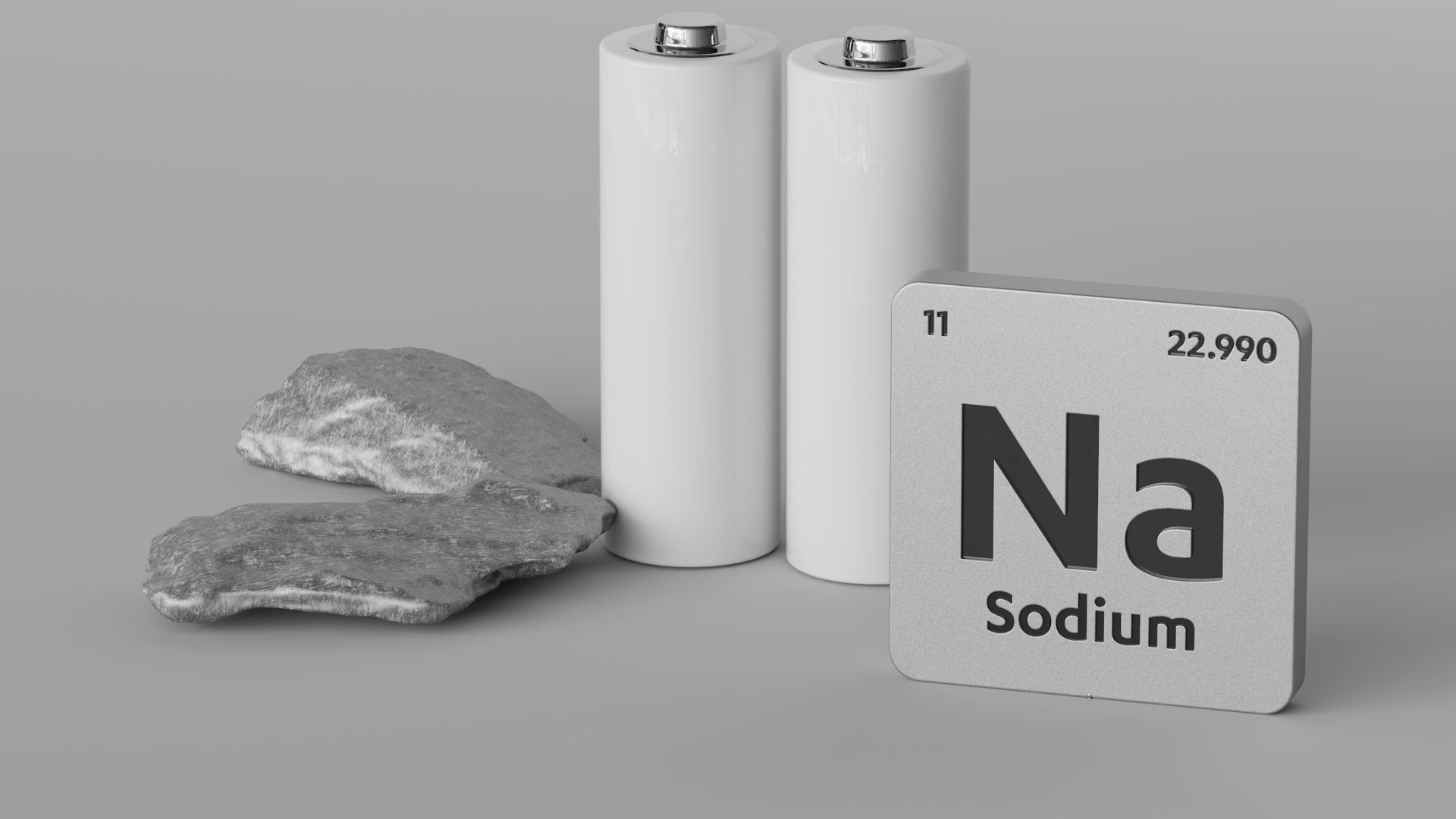
Researchers at Nanjing University have made significant advancements in sodium-ion batteries by using an iron-mediated strategy to address structural degradation issues in high-energy cathodes. Sodium-ion batteries present a cost-effective and abundant alternative to lithium-ion batteries, but their longevity and energy storage capacity have posed challenges.
In their approach, the team integrated iron ions into a custom layered cathode, effectively creating an “electron shuttle” that facilitates better electron transfer. This innovation significantly enhances the stability of the battery, allowing it to achieve an energy density of 206 Wh kg⁻¹ with 87.8% capacity retention over 100 cycles.
The researchers found that the iron ions allow oxygen atoms in the cathode to participate in the energy storage process without causing structural damage. By enabling nearly perfect reversibility of the oxygen reactions—from 75% to 99%—the iron-mediated relay stabilizes the battery during charging and discharging cycles.
With manganese and iron being inexpensive and abundant, this approach could make sodium-ion batteries viable for commercial applications, especially in stationary energy storage systems where weight is less of a concern. The findings suggest promising paths for further developments in battery technology, potentially accelerating the adoption of affordable sodium-ion batteries.