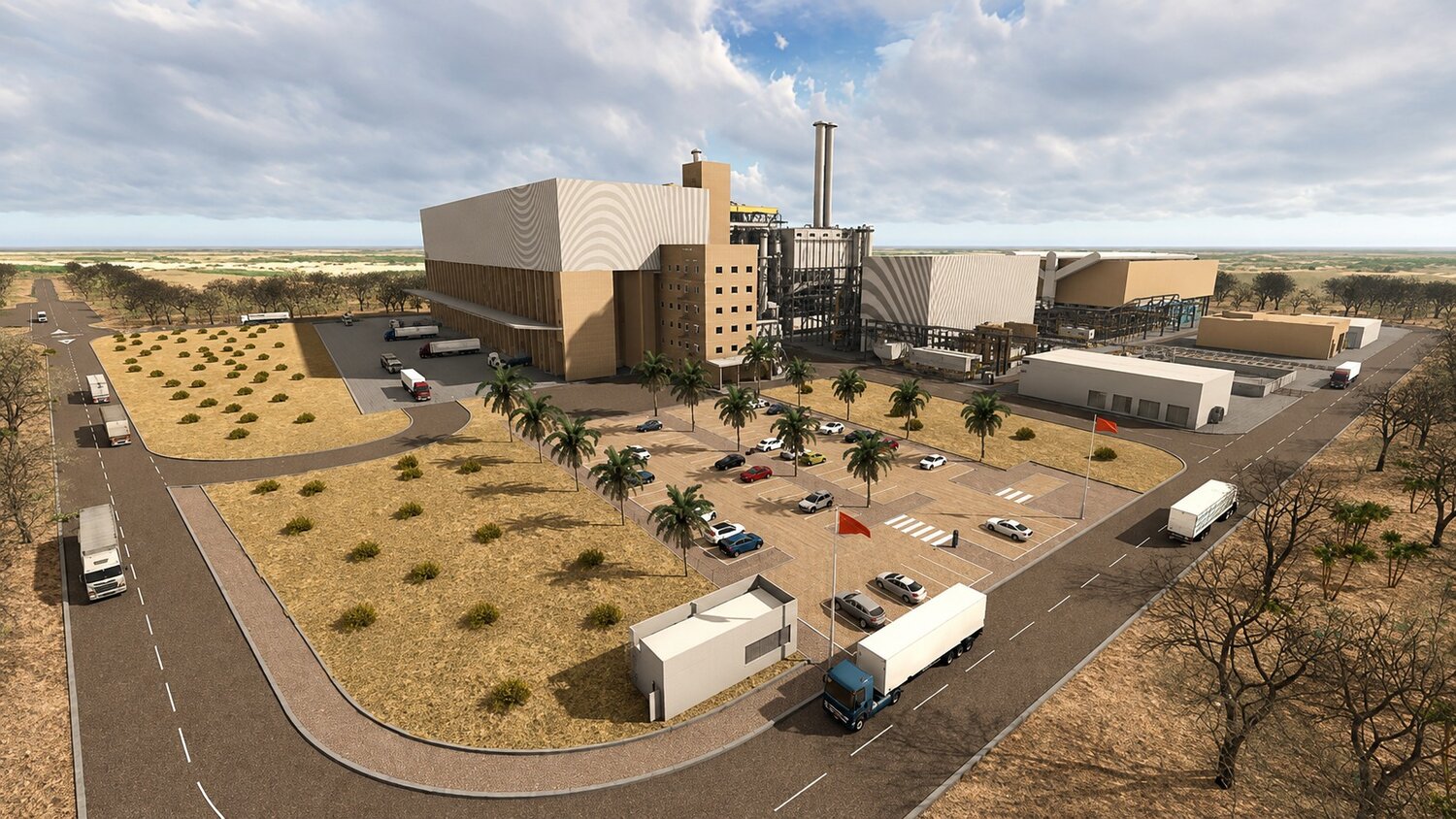
Casablanca is launching a significant waste-to-energy project to address increasing municipal waste and electricity demands. This facility, located near the Mediouna landfill, aims to process 1.5 million tons of non-recyclable waste yearly, generating 126 MW of electricity.
The project is under a 33.5-year agreement involving the Municipality of Casablanca and a consortium that includes Nareva, Kanadevia Inova, and Itochu Corporation. Engineering and construction responsibilities have been assigned to BUTEC and Kanadevia Inova, covering both technological and infrastructural aspects.
Kanadevia Inova will focus on implementing the waste-to-energy technology and providing ongoing operational support, while BUTEC will manage civil engineering and infrastructure construction. This collaboration highlights the complexities of large waste-to-energy facilities, which merge traditional construction with advanced emissions-control systems.
The project aims to alleviate Casablanca’s landfill pressures from its 4.2 million residents while delivering a reliable energy source. Unlike renewable energy sources like solar and wind, waste-to-energy plants can provide constant output, potentially serving as a baseload power source.
By processing waste, the plant could significantly reduce carbon emissions, although actual performance will depend on several factors, including waste composition and efficiency. The project raises questions about balancing waste-to-energy needs with broader recycling and waste management policies, emphasizing the need to prevent waste while ensuring sustainability. If successful, it will enhance Casablanca’s waste management and energy strategies significantly.