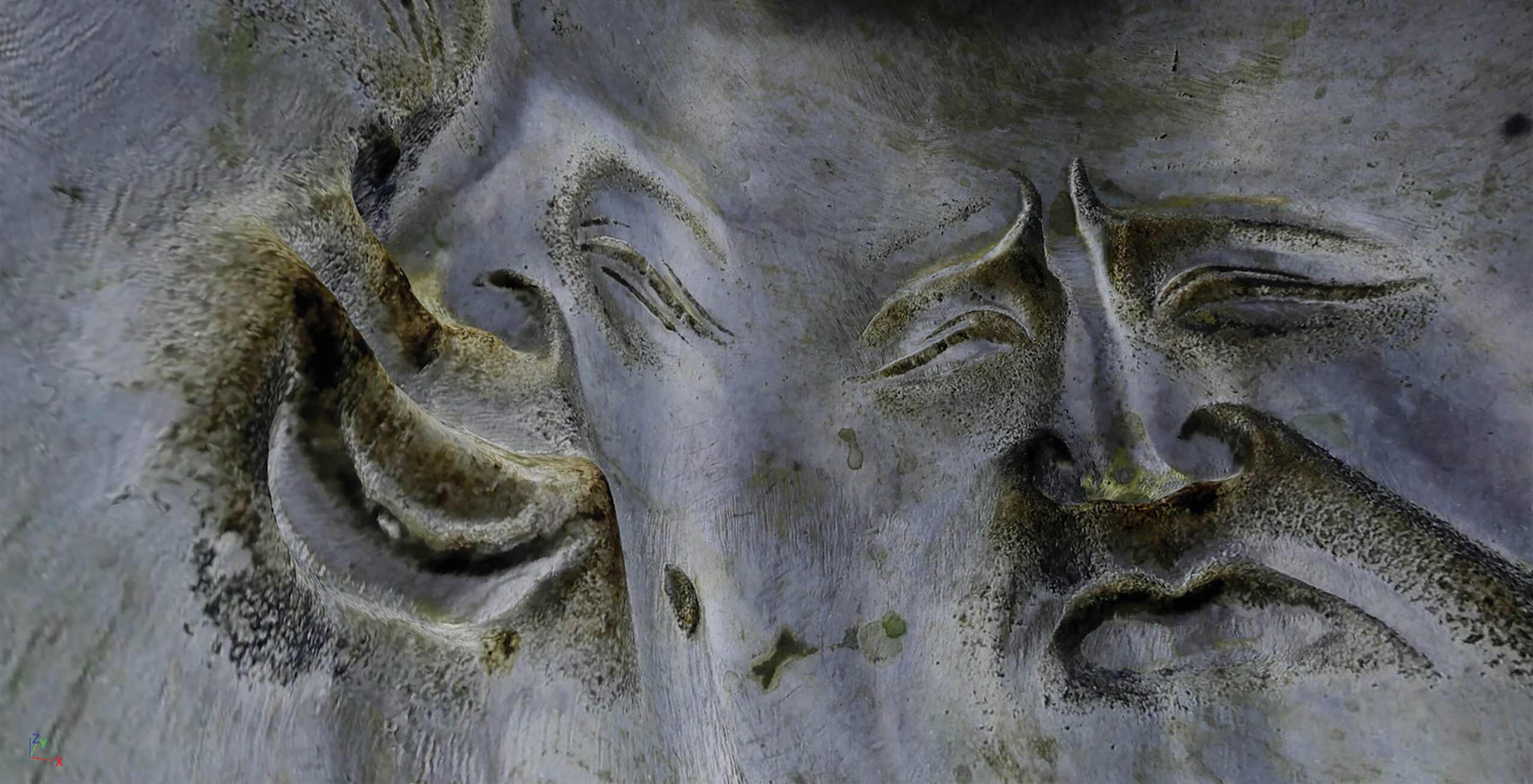
Exhibition Overview: A Culture of Excess
Location: Galeria XX1, in collaboration with the Mazovia Institute of Culture and the Faculty of Media Art of the Academy of Fine Arts in Warsaw
Duration: Until October 3, 2026
Theme: The exhibition examines the intersections of excess, access, and scarcity, reflecting on modern life’s overwhelming conditions. The theme of excess manifests in various forms throughout the artworks, highlighting both its allure and consequences in contemporary society.
Exhibition Structure
-
Part 1 (August 21 – September 10, 2026):
Focuses on the individual versus the collective, and the relationship between nature and society. -
Part 2 (Performance by Alicja Rytowska and Aleksandra Wierucka):
Highlights the unseen dimensions of art and exhibition-making. -
Part 3 (Opening September 17, 2026):
Explores topics like patriarchal norms, queer identities, and more-than-human existence.
Featured Works
-
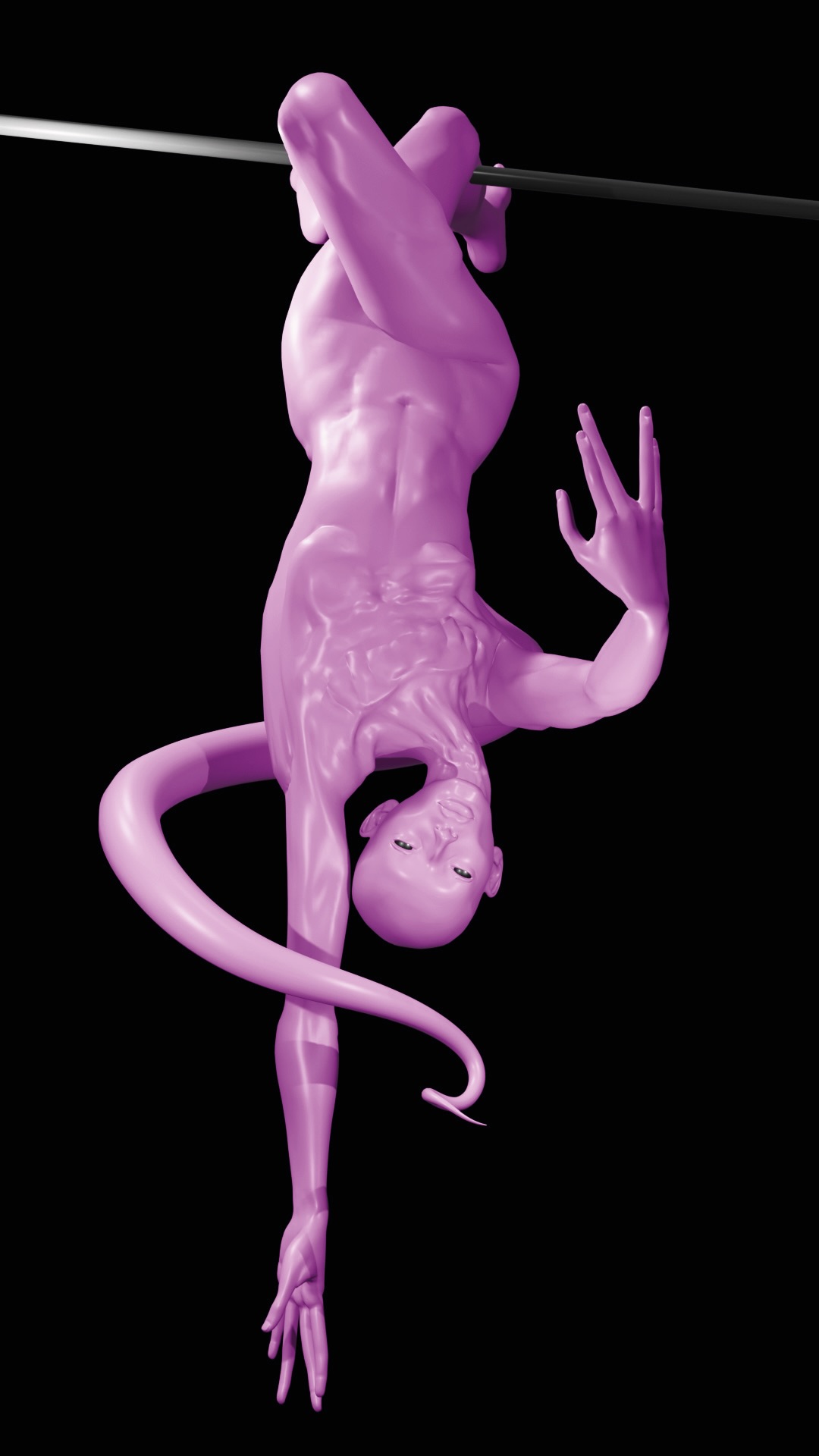
Weronika Płatek’s Undefined_002
A hot-pink figure representing the fluidity of identity and critiques of overconsumption, combining symbols of modern culture.
-
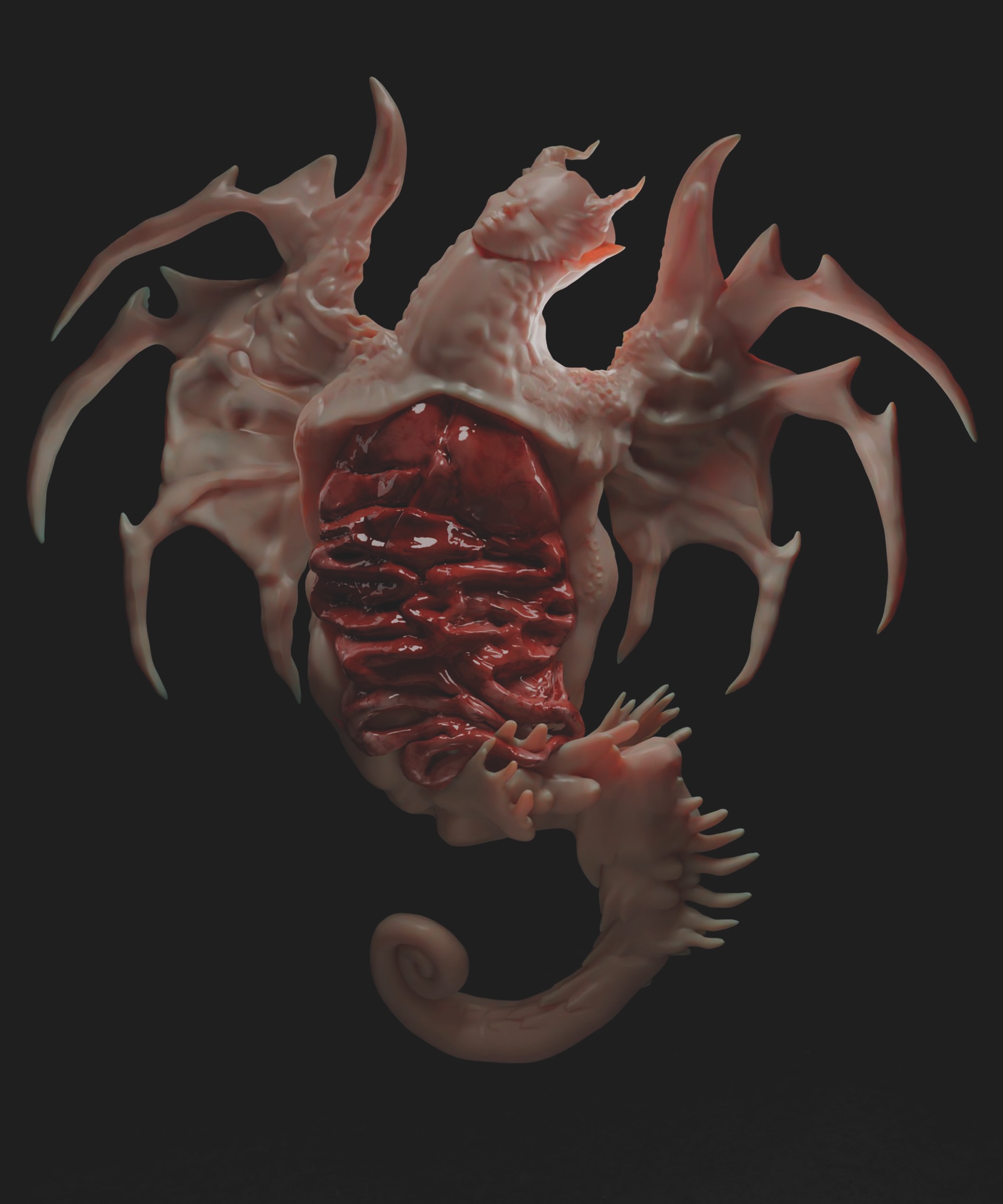
Alesia Maisei’s Chimera
A dragon-like figure challenging the boundary between human and non-human identities.
-
Nina Tabor’s The Human Dollification Project
Explores the loss of identity when becoming part of a collective whole through disjointed doll fragments.

-
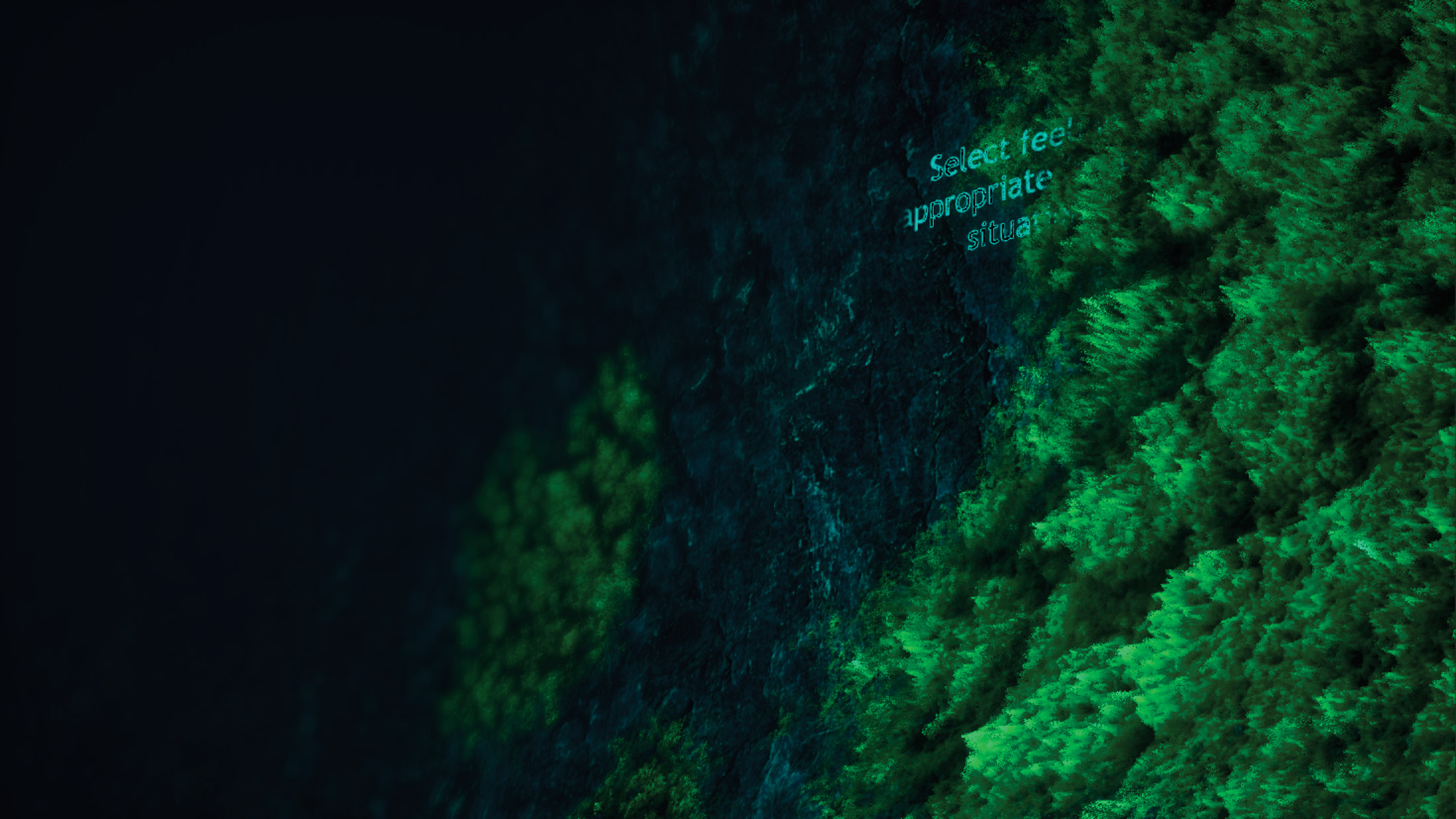
Magdalena Borzęcka’s I Am Not a Robot (VR)
A VR installation allowing users to reclaim their agency amidst technological saturation.
-
Borys Oleński’s The Angel of History Holds His Head
An animation commenting on historical cycles of violence and inequality, drawing on Karl Marx’s ideas.
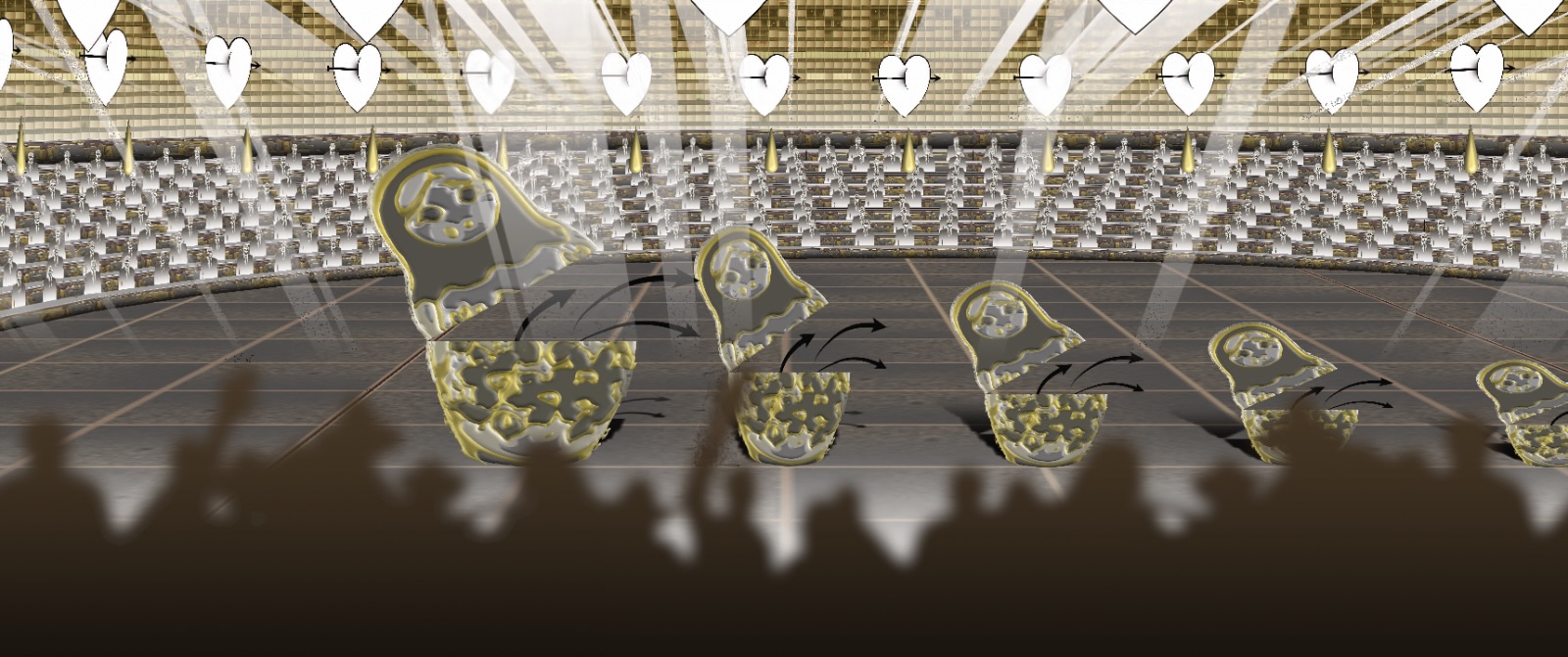
-
Marcin Zonenberg’s Core Stability: Repetitive Aligning
A kinetic installation confronting gender expectations and emotional fragility.

-
Patrycja Wysokińska’s The Ritual of Immortality (VR)
A VR experience exploring themes of death and rebirth inspired by ancient mythology.
Conclusion
The exhibition eloquently addresses the multifaceted aspects of excess, stimulating critical reflection on individual and collective identity, consumption, and societal structures. Each artwork serves to not only represent but engage viewers, inviting them to consider the pervasive nature of excess in their own lives.