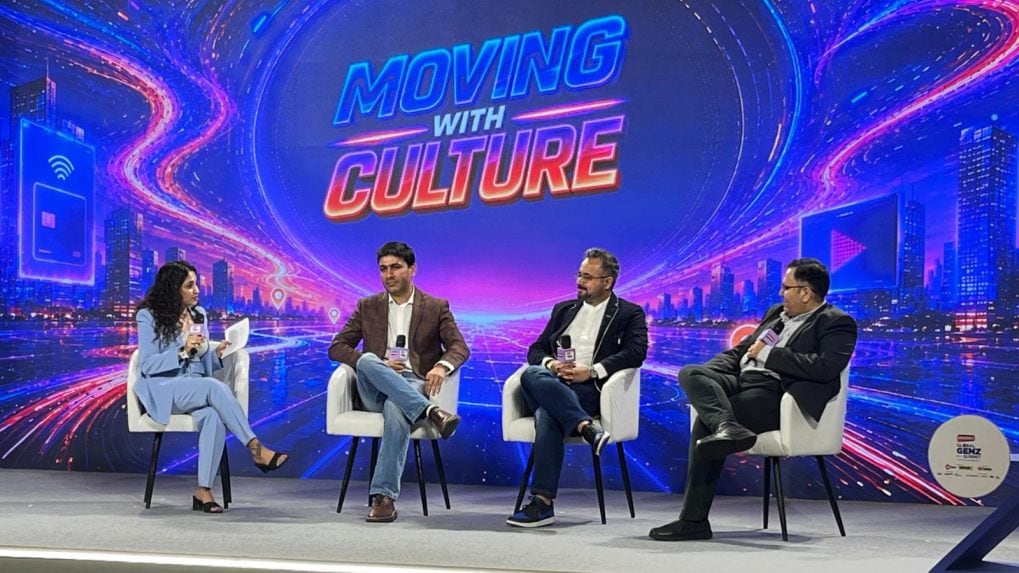
The recent Global GenZ Summit 2026 highlighted a shift in marketing strategies as brands seek to resonate with Gen Z by moving beyond traditional demographics and trends. Key discussions focused on understanding cultural relevance and consumer behavior rather than just reacting to fleeting trends.
Panelists Arpit Tyagi from Uber India, Mohit Joshi from Havas Media Network India, and Gaurav Ramdev from Visa emphasized the necessity of incorporating genuine consumer insights, particularly from Gen Z, into marketing strategies. They argued that brands should focus on psychographics rather than age-based segmentation to engage consumers effectively. Understanding deeper motivations and behaviors is crucial for developing authentic connections.
Tyagi introduced the idea of contextual marketing, suggesting that brands should consider audience, context, and intent together. He illustrated this with examples from Uber’s approach during festive seasons, emphasizing how consumer actions provide valuable insights for tailored messaging. Similarly, Ramdev noted that using psychographics can help brands discern consumer motivations irrespective of demographic boundaries.
The panel also examined the limitations of traditional marketing funnels in today’s fast-paced environment and the importance of balancing performance-driven strategies with long-term brand building. Joshi warned against prioritizing short-term results, advocating for sustained investment in brand identity.
Ultimately, the discussion encouraged marketers to rethink their approach to younger audiences, underscoring the importance of contextual relevance in capturing consumer attention. The future of marketing lies in understanding the “why” behind consumer actions and creating engaging narratives that lead to meaningful brand connections.