El Niño is a natural warming of the surface waters in the central and eastern equatorial Pacific Ocean, occurring every two to seven years and lasting typically nine to twelve months. This phenomenon shifts rainfall, temperature, and storm patterns far beyond the Pacific.
In 2026, the United Nations issued warnings about a significant El Niño event affecting countries already facing climate change, conflicts, and economic pressures. The World Meteorological Organization confirmed that El Niño is firmly established and is expected to peak towards the end of 2026, continuing well into 2027.
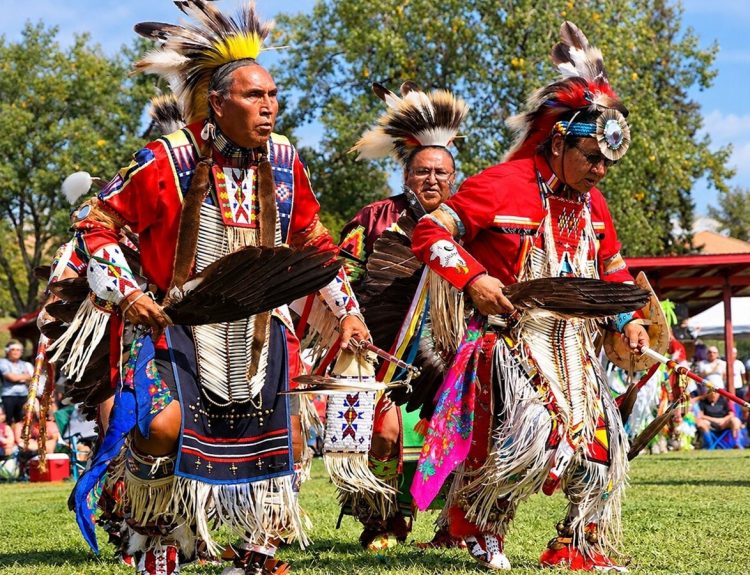
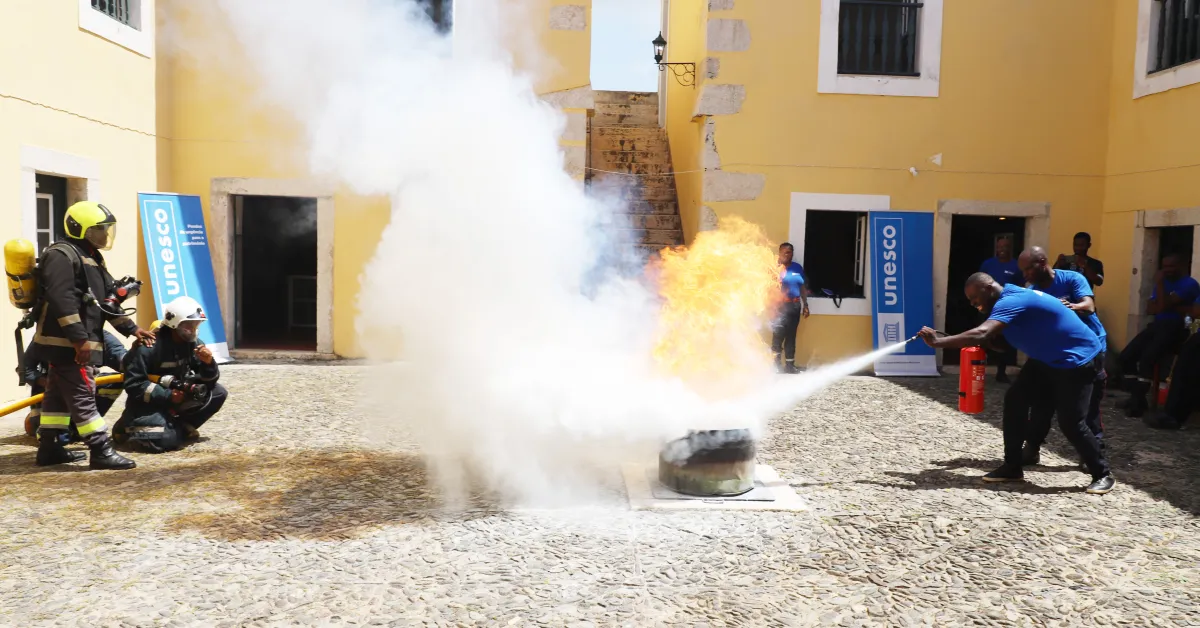
El Niño-related droughts, floods, storms, landslides, and wildfires pose major risks to cultural forms, including both cultural and natural heritage. These hazards can damage historic buildings, archaeological sites, museums, archives, libraries, and cultural landscapes. They can disrupt cultural practices and livelihoods tied to culture and tourism, placing pressure on communities that protect living heritage. Indigenous Peoples are often most directly affected, and their local environmental knowledge is crucial for anticipating and responding to these hazards.