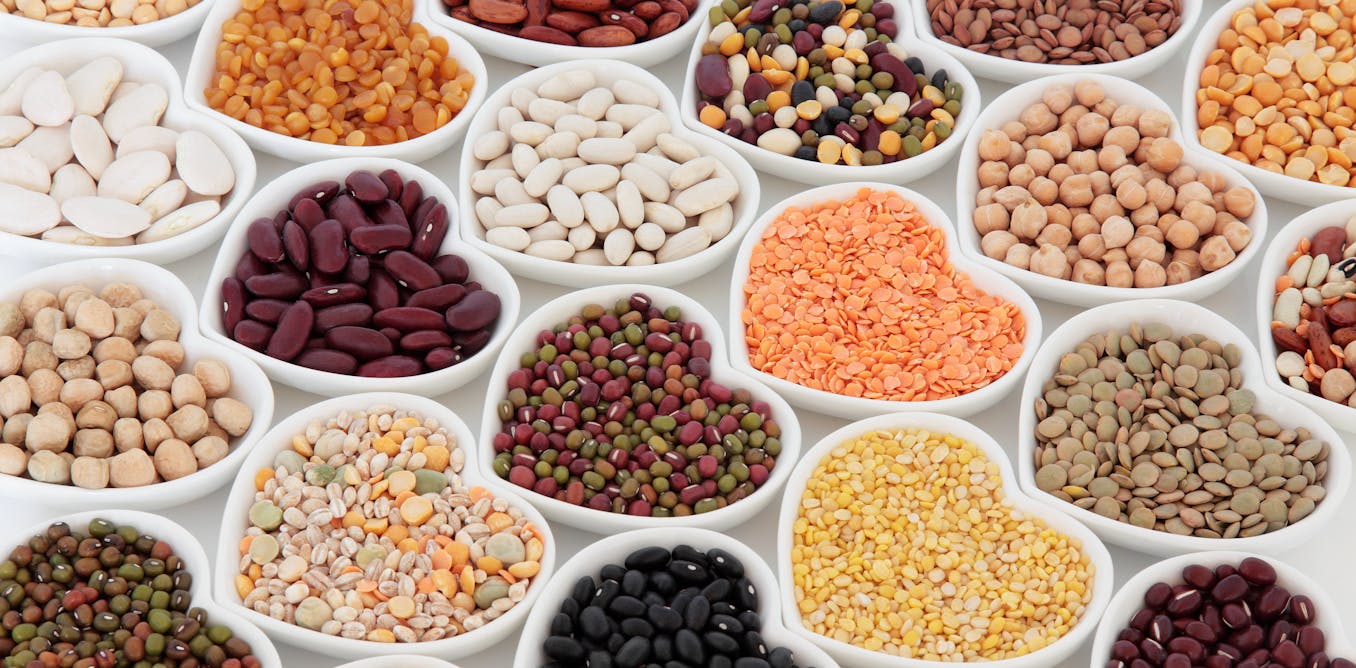
Lentils, beans, and chickpeas have nourished humanity for thousands of years, with lentils among the first cultivated crops. However, research into their effects on our bodies is ongoing. A recent review examined pulses—dried seeds from legume plants—and their influence on gut health, metabolism, and more.
### 1. They Feed Gut Microbes
Pulses are rich in plant protein, fiber, and carbohydrates, particularly those that reach the large intestine undigested. Gut microbes ferment these carbohydrates, producing short-chain fatty acids that benefit gut health and metabolism. Ongoing studies aim to understand how regular pulse consumption affects gut microbiota.
### 2. They Reduce Blood Sugar Spikes
Pulses may help stabilize blood sugar levels post-meal, particularly for those with type 2 diabetes. Their structure, including fiber and slowly digestible starch, seems to moderate blood sugar fluctuations. However, long-term impacts on blood sugar control require more research.
### 3. They Lower Cholesterol Modestly
Consuming legumes appears to slightly lower cholesterol levels, particularly LDL cholesterol, which is linked to cardiovascular disease. Although the reductions are modest, legumes can support overall heart health as part of a balanced diet.
### 4. They Increase Feelings of Fullness
Pulses can lead to greater satiety after meals. Research indicates that meal containing pulses may help people feel fuller, although this doesn’t always translate into consuming less food later.
### 5. Preparation Matters
The way pulses are prepared can influence mineral absorption. Phytates naturally present can hinder the absorption of essential minerals like iron and zinc, but methods such as soaking and sprouting can enhance mineral availability.
### Environmental Benefits
Legumes also contribute positively to agriculture by fixing atmospheric nitrogen, thus reducing the need for synthetic fertilizers.
In summary, incorporating more pulses into our diets can be beneficial, with evidence supporting their effects on gut health, blood sugar management, and cholesterol levels. While more long-term research is needed, pulses can easily be added to various dishes without significant dietary changes.