Safety Warnings for Firefighters Regarding Glutathione Supplement
Background
Fire and medical officials in Seattle have raised alarms about the use of the supplement glutathione among Western wildland firefighters exposed to toxic chemicals during wildfires. Although some firefighters report feeling better after receiving glutathione, experts caution against its use due to safety concerns and lack of FDA approval.
Health Risks
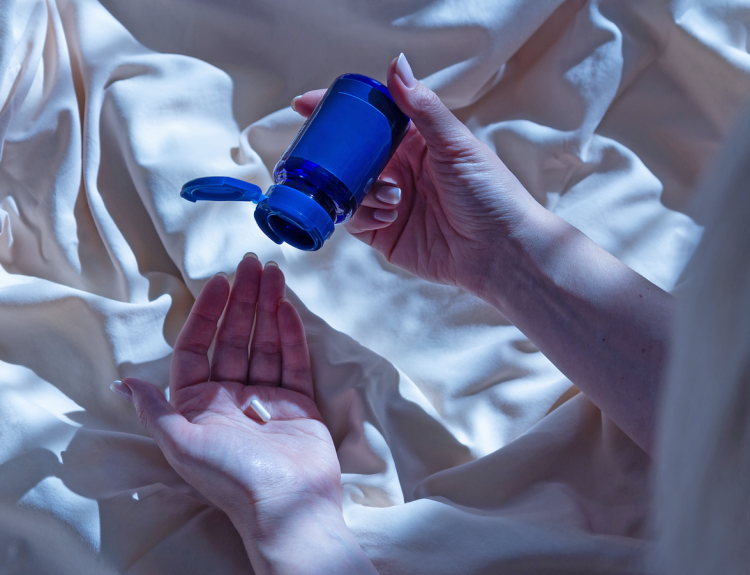
Glutathione can be administered through IV or nebulizers, but there are significant risks involved. Bacterial contamination in products has resulted in at least two pharmacies recalling the supplement. Symptoms such as fever, chills, and severe headaches have been reported.
Expert Opinion
- International Association of Firefighters (IAFF): Experts from the IAFF have voiced concerns, emphasizing that glutathione is not FDA-approved and cautioning consumers about safety claims.
- Medical Concerns: Physicians have expressed that some firefighters reported worsening health after treatment with glutathione. Dr. Cora Sack, a pulmonary specialist, acknowledges potential biological benefits of antioxidants like glutathione but emphasizes the need for clinical evidence.
Planning for Research
The Integrative Health Action Network, involved in administering glutathione, recognizes the need for peer-reviewed studies on the supplement’s effectiveness and safety, seeking partnerships for research.
Firefighting Conditions
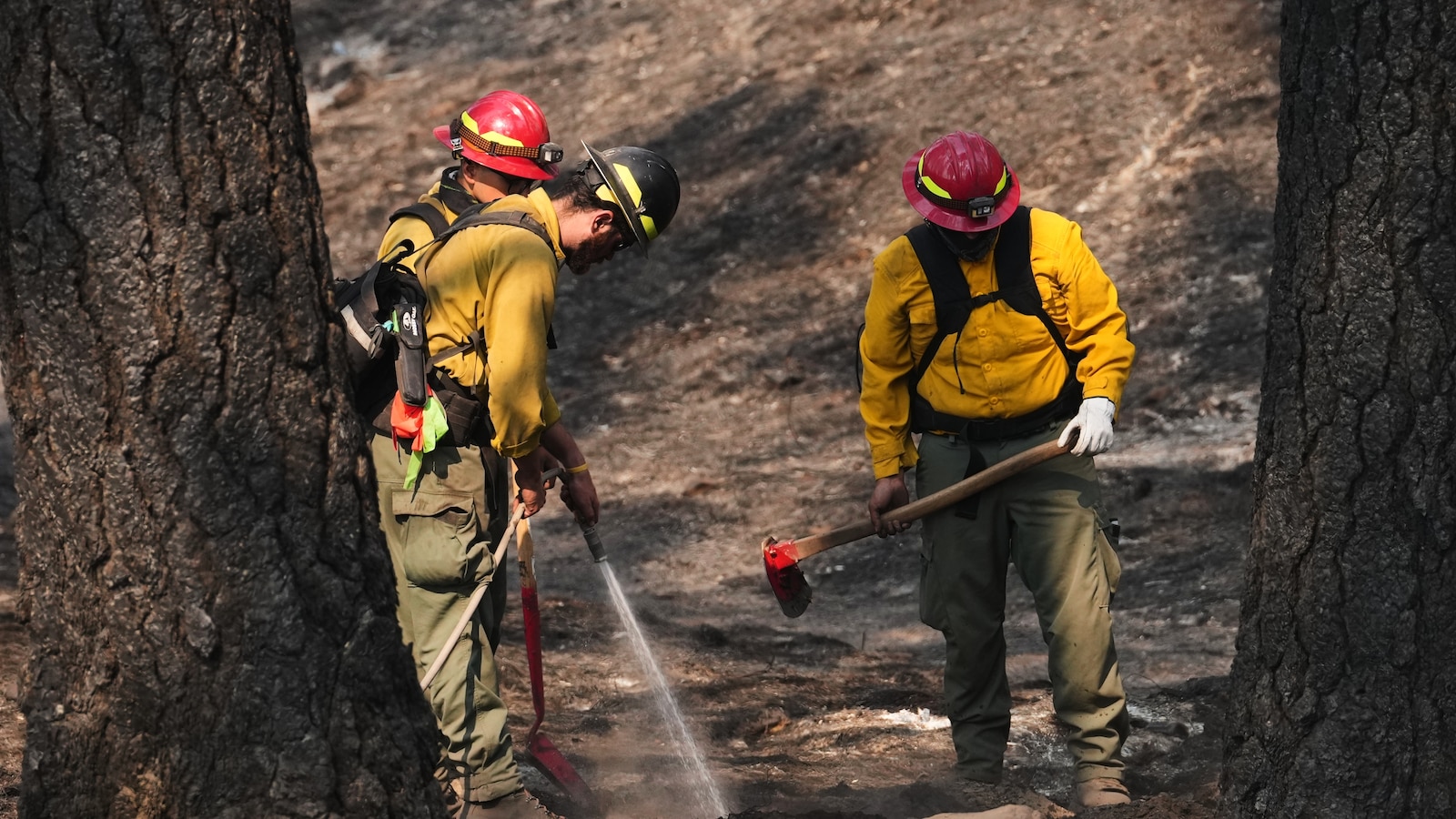
Firefighters often work in severe conditions where the use of respirators is impractical, leading to exposure to harmful chemicals. Increased exposure to smoke can lead to various health issues, highlighting the urgent need for safe medical treatments.
Conclusion
While anecdotal evidence exists regarding the benefits of glutathione for firefighters, substantial clinical research is necessary to understand its safety and efficacy. The community must prioritize validated treatments to ensure the health and safety of first responders.