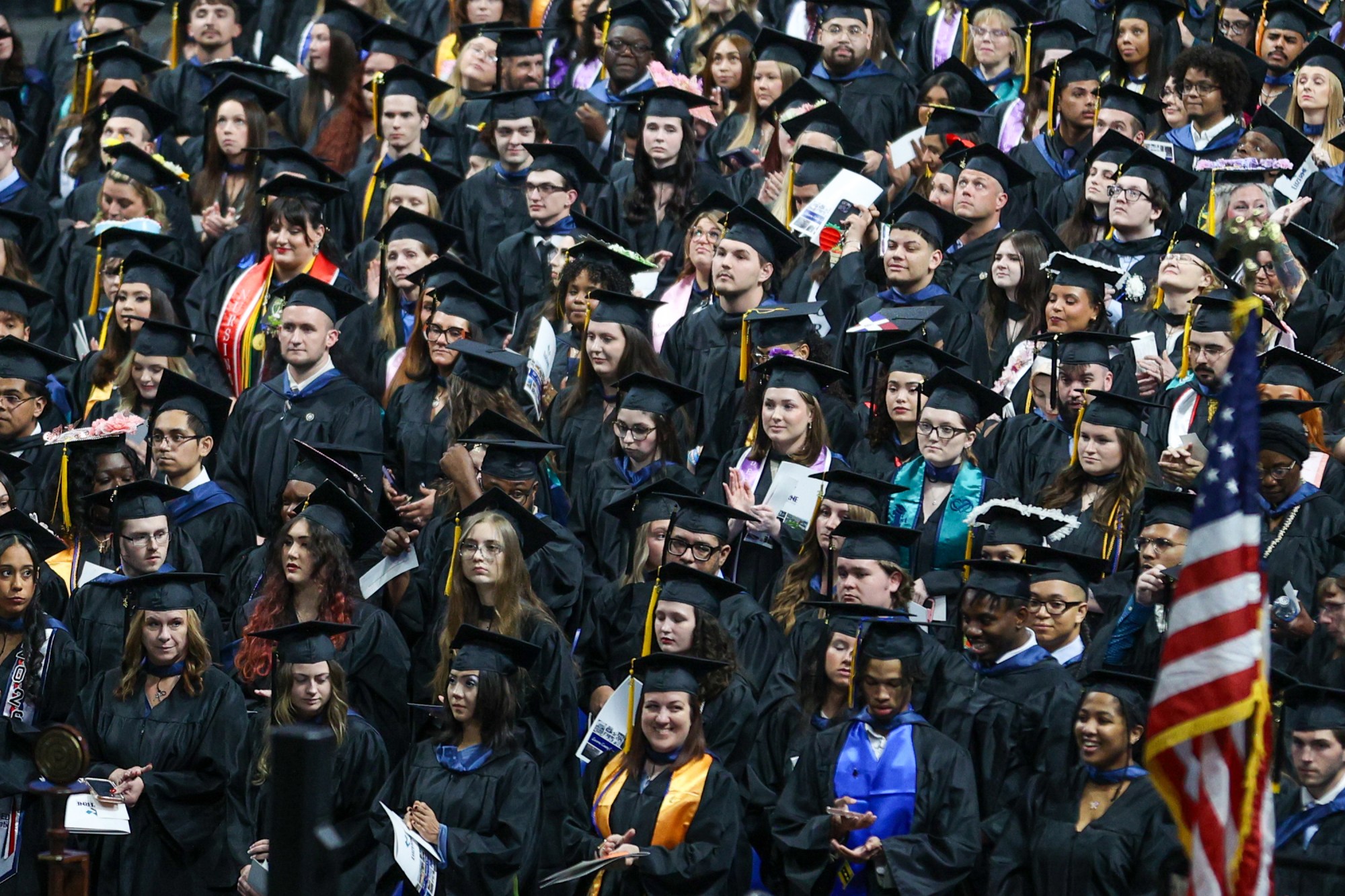
The article addresses the crucial issue of stagnant state funding for community colleges in Pennsylvania and its implications for local communities. A key point raised is that approximately 90% of community college graduates remain in-state, emphasizing their contribution to the local workforce and economy. Despite this, funding for these institutions has not seen significant increases, leading to potential consequences like rising tuition and reduced programs, which ultimately affect working-class students and adult learners.
Advocates for community colleges, including the PACCC and local officials, have expressed concerns over the impacts of limited funding on operational and capital expenses. The article argues that inadequate financial support jeopardizes not only education but also the economic momentum of the region. It highlights the importance of community colleges in providing a skilled workforce for essential industries like healthcare and manufacturing.
Moreover, the piece calls on state leaders to view increased funding for community colleges as a necessary investment in the future, rather than as a mere expense. Enhancing support for these institutions is presented as a strategy to foster local economic growth, maintain a talented workforce, and improve regional tax bases, effectively countering the “brain drain” phenomenon where graduates leave the area for better opportunities elsewhere.