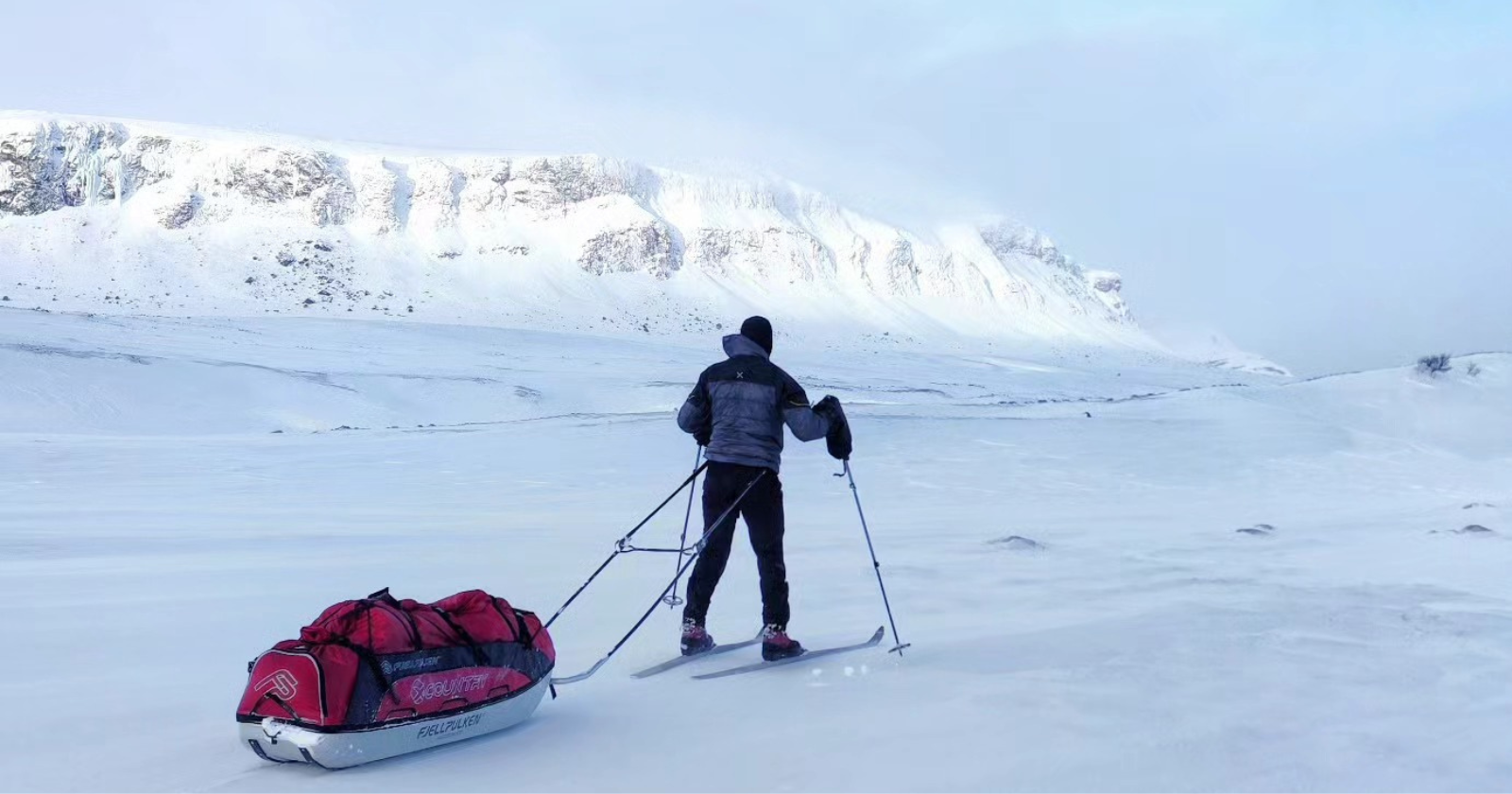
This article reflects on the rise of extreme tourism and its impact on travel narratives in the age of social media.
Key Points:
-
Extreme Tourism Defined: Extreme tourism includes adventures like cycling in harsh climates or hitchhiking through dangerous countries, contrasting with traditional luxury-focused travel content.
-
Changing Audiences: Modern travelers are drawn to the struggles of influencers, seeking authentic stories over polished, aspirational lifestyles.
-
Psychological Connection: Creators sharing their daily struggles foster a sense of involvement among viewers, making experiences more relatable.
-
Risks and Consequences:
- Real-Life Risks: Examples include travelers like Alessia Piperno, who faced imprisonment in Iran, and Ian Andersen, who encountered danger during his travels.
- Dangerous Encounters: Extreme adventurers often face threats from local authorities or natural elements.
-
Compelled to Continue: Influencers feel pressured to complete challenges for their audience, creating a dilemma between personal safety and audience expectations.
-
Platform Responsibility: The article concludes by emphasizing that social media platforms should take responsibility to prevent dangerous trends, as audiences are unlikely to stop following them.
Overall, the phenomenon highlights a tension between the desire for genuine experience and the allure of danger in travel narratives.