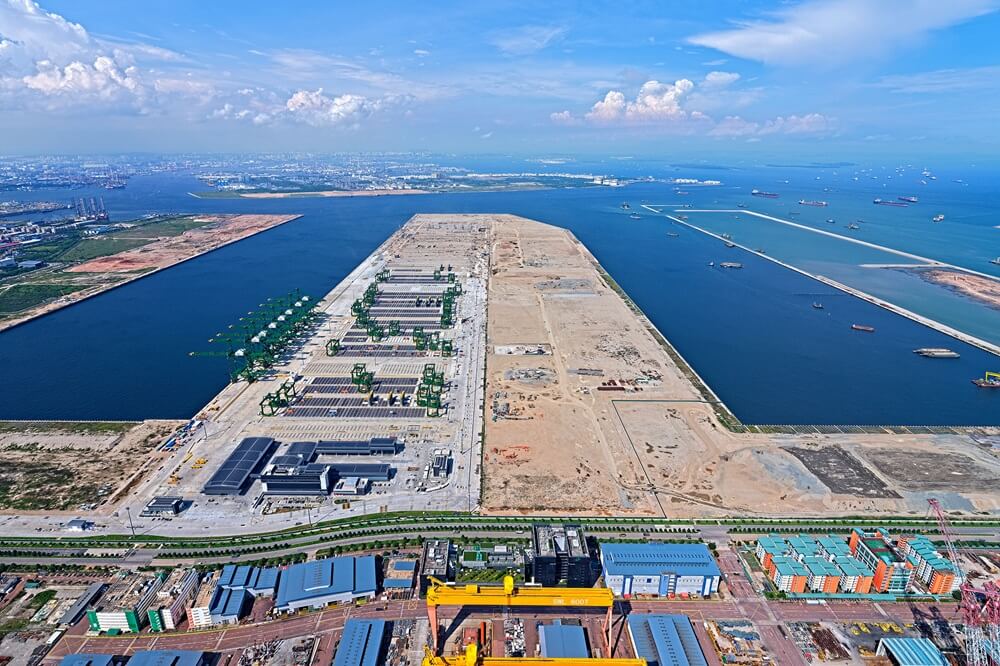
The East Asia and Pacific region, a crucial trade hub, faces significant challenges in its maritime transport sector, primarily due to rising systemic weaknesses. China’s substantial investments in its ports have improved efficiencies, yet a recent World Bank report warns of the urgent need for further capacity expansion as container trade is projected to grow by 4% annually, demanding an additional 300 million TEUs by 2040. The estimated investment of $90 billion will need to be allocated to cope with this demand.
As decarbonization efforts intensify globally, developing Pacific countries require major investments in alternative fuels infrastructure, with projections of $1.2 billion for regional development initiatives. Meanwhile, maritime safety concerns arise from an aging fleet in several Southeast Asian countries, where many vessels exceed 30 years in age. In contrast, the internationally trading fleet remains relatively young.
Renewing this aging fleet, currently dominated by small operators, is vital. The World Bank calculates a need for approximately $97 billion to replace the regional fleet. Increased domestic shipbuilding could provide economic opportunities, exemplified by Indonesia, which, despite having numerous shipyards, underperforms in new tonnage production.