The Impact of Protein Restriction on Aging and Health
Protein-fortified foods are now ubiquitous, yet a recent review suggests that reducing protein intake may offer significant health benefits. Published in the Cell Press Blue journal, it analyzes over 350 studies on protein restriction and its effects on aging.
Key Findings
-
Health Benefits of Reduced Protein:
- Lower protein consumption may improve metabolism and enhance cellular responses to nutrients.
- Protein restriction has been linked to reduced cellular damage and better maintenance of healthy cells.
-
Exercise vs. Sedentarism:
- While protein aids muscle growth and recovery in active individuals, sedentary people often consume excess protein, which might lead to negative health outcomes.
-
Caloric Intake and Lifespan:
- Historical findings underscore that calorie restriction can extend lifespan across various species. However, strict calorie control is challenging for many individuals.
- Previous studies indicate that less protein can extend lifespan in rodents and flies without reducing overall caloric intake.
-
Clinical Trials:
- Recent human clinical trials show that reduced protein intake might lead to weight loss, decreased fat mass, and improved fasting blood sugar levels, countering the idea that lower protein means less caloric intake.
-
Changing Dietary Guidelines:
- In light of findings promoting protein’s benefits for muscle mass in older adults, U.S. dietary guidelines were updated, recommending 1.2–1.6 grams of protein per kilogram of body weight.
Mechanisms Behind Protein Restriction
-
FGF21 Hormone:
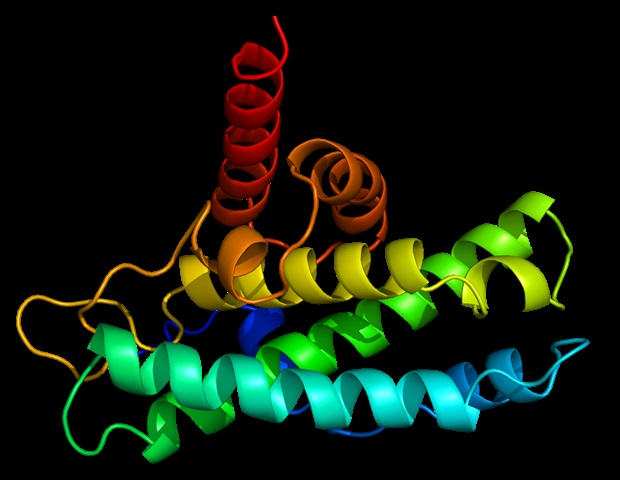
- A hormone called fibroblast growth factor 21 (FGF21) rises with lower protein intake, enhancing energy expenditure and reducing inflammation. Mice with higher FGF21 levels demonstrate increased longevity.
-
Amino Acids:
- Certain amino acids, namely methionine, isoleucine, and valine, might drive detrimental biological processes when consumed in excess, heightening the risk of obesity and related diseases.
Conclusion and Recommendations
Lamming warns that excessive protein intake among sedentary individuals may result in health risks. While certain demographics, like pregnant women and the elderly, require more protein, there is a need for personalized recommendations based on physical activity levels rather than age alone.
Athletes can handle high protein diets due to their exercise routine, which mitigates the potential negative effects. However, for the average person, moderation and personalization in protein consumption should be considered for optimal health.
For further insights, you can refer to the original study: The Hallmarks of Protein and Amino Acid Restriction in Aging and Longevity from Cell Press Blue.