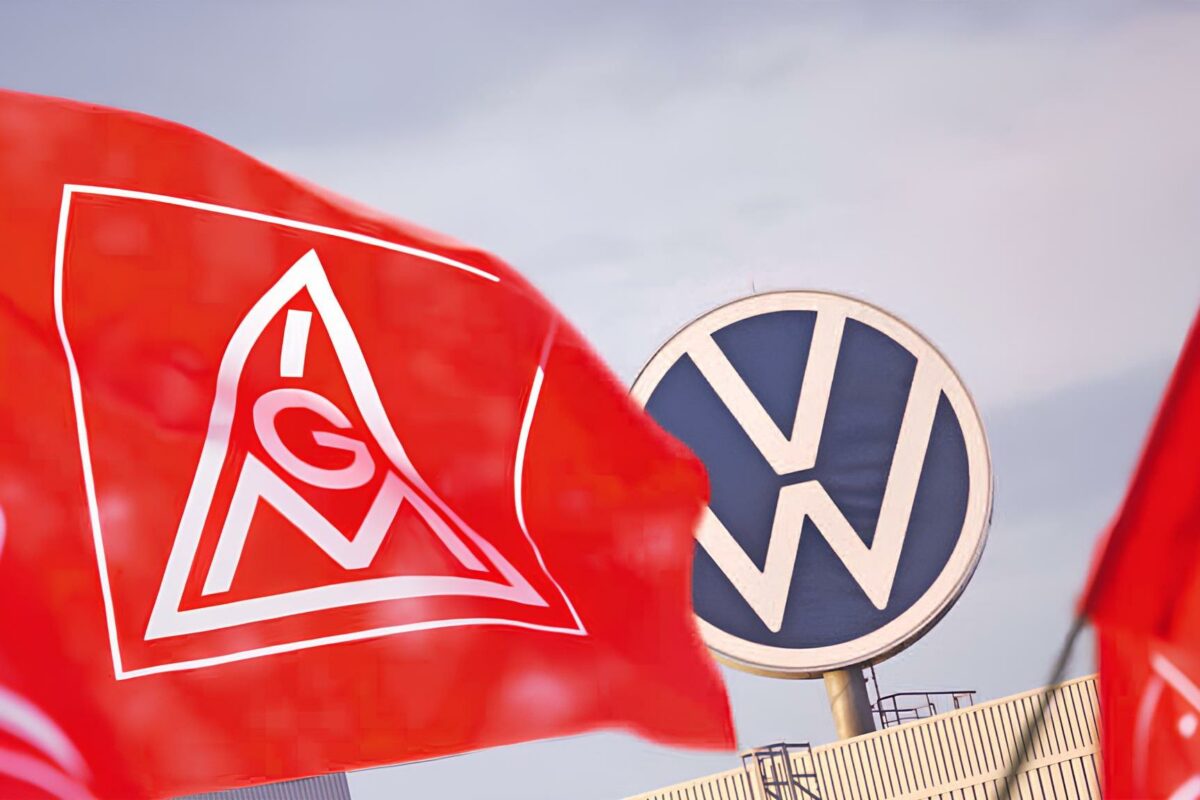
IG Metall Leads Nationwide Protests Amid Restructuring Pressures
On September 21, tens of thousands of German workers organized nationwide protests, with a particular focus on major automotive companies like Volkswagen, Mercedes-Benz, BMW, Audi, and Porsche. The protests, orchestrated by IG Metall, aimed to resist brutal restructuring campaigns and advocate for job protection, while urging the government to lower energy costs and mitigate foreign competition, specifically from low-cost Chinese imports.
IG Metall’s leader, Christiane Benner, emphasized that workers are not responsible for the current crisis, calling for the European Union to widen tariffs on Chinese car imports, currently limited to battery-electric vehicles (BEVs). The call for tariffs comes amid lower tariffs in Europe compared to the U.S., with state-owned companies like SAIC facing tariffs as high as 43.6%. Recent reports suggest that the European Commission has warned China about potential tariffs if it does not cap its hybrid exports.
The demonstrations coincided with preparations for annual wage negotiations, with IG Metall set to announce its formal demands shortly after. Amid these challenges, Volkswagen’s management has outlined an aggressive cost-cutting initiative, with plans to significantly ramp up performance programs, leading to over 16,300 job cuts already finalized in Germany.
Porsche’s CEO, Michael Leiters, refuted reports regarding additional job cuts, asserting that the current restructuring plan remains intact. Meanwhile, Volkswagen’s removal from the Euro Stoxx 50 benchmark index has resulted in forced selling of its shares, adding further stress to the already troubled automotive sector.
The German automotive industry, which has lost approximately 100,000 jobs since 2019, continues to face pressures as manufacturers like BMW and Mercedes-Benz realign their operations, cutting jobs domestically while expanding in lower-cost regions. The increased share of Chinese automakers in the European market highlights an urgent need for competitive measures.
In the political sphere, the protests followed significant electoral losses for the Christian Democrats, leading to calls for specific tariffs on imported hybrids and a response to rising voter concerns regarding the government’s ability to manage the economic challenges impacting manufacturers like Volkswagen. The internal disagreements and uncertainties regarding job cuts in companies like Porsche further illustrate the tumultuous landscape faced by the automotive sector in Germany.

