As the situation in Iran escalates, it is crucial to assess the impact on global energy supplies and economic stability. With reports indicating significant damage to Saudi oil facilities, the narrative presented in mainstream media raises concerns about potential self-censorship. This article explores these critical developments and their implications for the broader geopolitical landscape.
Despite the extensive coverage of the ongoing conflict in Iran, mainstream media appears to underreport the substantial damage inflicted by Ansar Allah on Saudi oil infrastructure. This omission could indicate a reluctance to address the severity of the situation, especially given that a primary risk of the conflict is a global economic downturn fueled by attacks on key petrostate facilities. It prompts the question: Is the press ignoring the emergence of disastrous scenarios as they unfold?
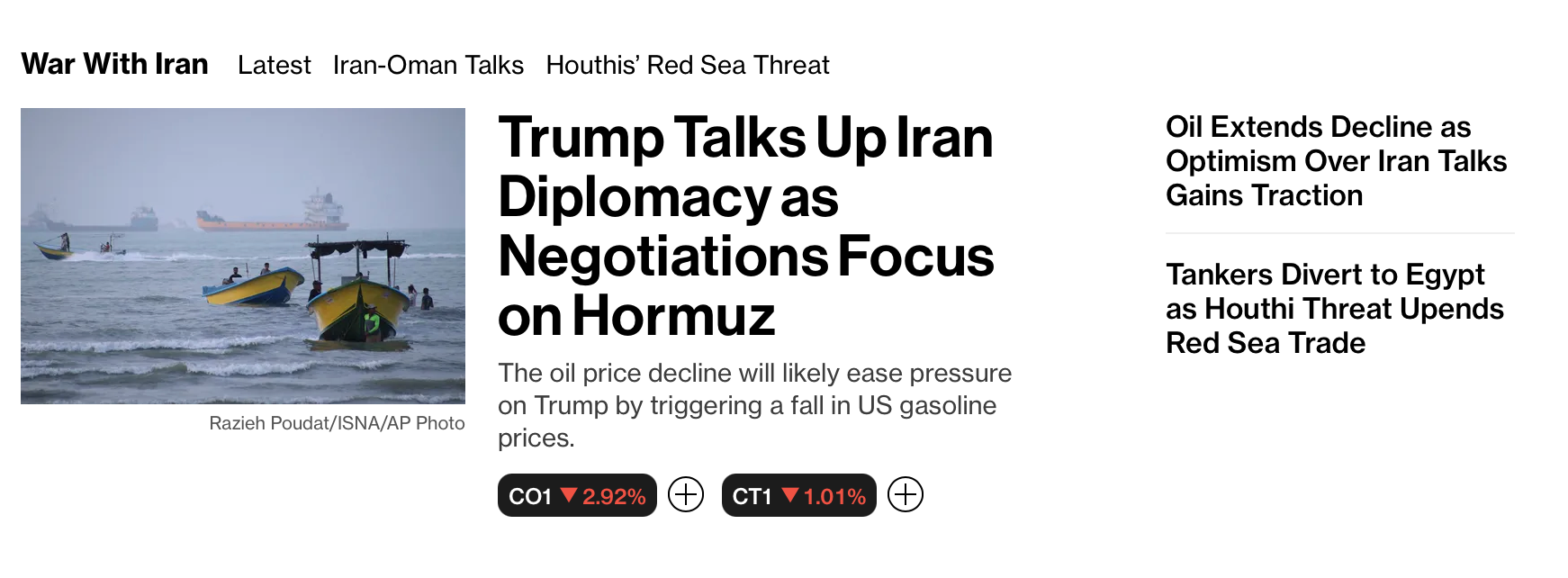
Take a look at Bloomberg’s coverage on the Iran war in their Middle East section:

The Wall Street Journal also seems to minimize the significance of the Iran war, featuring a single story located below the fold:

Meanwhile, the Financial Times has two noticeable articles regarding Iran, yet neither addresses the damage done to Saudi infrastructure:

Interestingly, coverage of the currently fluctuating AI market receives more attention.
In contrast, independent media outlets are stepping in to provide comprehensive coverage of these events. A recent overview highlights the types and costs of weapons used by Ansar Allah and notes the lack of support from either the United States or Pakistan:
Dimitri Lascaris offers a comprehensive analysis, detailing the critical facilities involved:
Lascaris points out that the Saudis have not acknowledged the damage to the high-tech Abqaiq facility, attempting to convey the narrative that any attacks were successfully intercepted. However, his analysis contains evidence and imagery from trusted sources suggesting significant damage. He also highlights ongoing fires at the Jazan facility:
Additional visuals:
💢 BREAKING: Drones struck Saudi Aramco’s Abqaiq crude-processing facility, the kingdom’s largest, with satellite imagery indicating potential damage to multiple processing units.
Abqaiq stabilizes the bulk of Saudi crude before export, making it one of the most critical nodes… https://t.co/tgN9PeSmgy
— Drop Site (@DropSiteNews) July 27, 2026
There has been a lack of reports on the new drone attacks:
Abqaiq under attack from drones again. https://t.co/1Uow2R5tEZ
— HFI Research (@HFI_Research) July 28, 2026
For completeness, some images from the Jazan strikes:
BREAKING: Yemen’s Houthis have reportedly struck Saudi Aramco’s Jazan oil facilities with multiple ballistic missiles, with videos appearing to show a massive fire and mushroom-shaped plume rising over the area.
Regional reports indicate at least five ballistic missiles were… pic.twitter.com/TczpnG20kY
— The Hormuz Report (@HormuzReport) July 25, 2026
While I have not seen confirmation of damage to the pipeline:
Saudi Arabia sent a drone over Yemen that, in retaliation, destroyed one of the most important oil pipelines still operational towards Yanbo’, the Red Sea, since the tankers navigation in the Strait of Hormuz is disrupted.
— Elijah J. Magnier 🇪🇺 (@ejmalrai) July 27, 2026
Breaking Points recently aired a segment discussing the implications of the Bab el-Mandeb transit loss on both Saudi and global oil supplies:
Notably, Jazan is the smaller of the two operations:
⚡️🚨 Saudi Aramco shuts Jizan refinery (400,000 bpd capacity) following attack on July 25. (Reuters via Al Mayadeen Breaking)
— Middle East Observer (@ME_Observer_) July 28, 2026
Market analysts are astonished by the recent turbulence in crude oil prices given these developments. Brett Erickson on Twitter states:
With both Abqaiq and Jazan being struck in recent days, both CRITICAL for Saudi oil operations, people need to begin accepting that the Iran War may be entirely out of the control for President Trump now. These aren’t “small nodes”, Abqaiq is Aramco’s largest oil processing facility, and Jazan is Aramco’s fifth largest refinery.
Pair this with the double blockades effectively of the Strait of Hormuz and the Bab al-Mandeb… I’m really not sure how much more the global economy can take at this point.
Amazing to see oil keep falling while the Houthis are blowing up key Saudi oil infrastructure. pic.twitter.com/Pn70NGGIYh
— Lukas Ekwueme (@ekwufinance) July 27, 2026
Every time we get artificial intervention in the Brent price the crack spread moves to compensate. It ain’t about refining capacities, folks. 🛢️ https://t.co/qvitLWKEwU
— Philip Pilkington (@philippilk) July 27, 2026
Earlier in the discussions, Sagaar provided updates on the developments mentioned previously. A Lloyd’s of London advisory group had recommended against insuring vessels servicing Saudi ports on Red Sea routes due to heightened risks related to the ongoing attacks. However, it was unclear how many insurers would heed this advice. Some are already taking action. From a lightly edited machine transcript:
This was huge news which really was under-reported in American media. The top shipping insurers have told brokers that they will no longer provide cargo insurance for vessels tied to Saudi Arabia in the Red Sea following the Houthi attacks, escalating risks for exports.
Several leading marine war insurers at Lloyd’s of London have stated they will exclude vessels with any connection to Saudi Arabia from coverage, encompassing ships from different flags that have previously visited Saudi ports. This is monumental news for the oil market, as past incidents demonstrated that control over the Strait of Hormuz is significantly influenced by insurance companies and their willingness to provide coverage.
Remember, at the war’s onset, Trump established a wartime insurance board to guarantee coverage for vessels navigating the Strait of Hormuz. This structure is not currently available in the Red Sea and highlights the severity of the Houthi threat that targets any vessels docking at Saudi ports en route to the Bab el-Mandeb Strait. Their capacity to strike vessels has made insurers wary, limiting the flow of oil from Saudi Arabia.
As the situation intensifies, discussions have emerged about multiple attacks on Saudi oil facilities involving groups affiliated with Iran, the Houthis, or militias from Iraq. Over the weekend, attacks targeted strategic oil facilities on the Red Sea. This new front in the conflict suggests a critical juncture where decisions regarding U.S. military intervention may become increasingly urgent.
The Saudis are adjusting to these new realities:
longer route to add $5 per barrel to Asia buyers >>
Saudi Aramco considers new pricing for Sidi Kerir oil exports to Asia, sources say.
— Tracy Shuchart (𝒞𝒽𝒾 ) (@chigrl) July 28, 2026
Meanwhile, Ansar Allah adamantly refutes claims that Iraqi militias were responsible for the Saudi strikes, expressing frustration over the Saudi regime failing to credit their efforts. An article from PressTV reports:
Yemen’s Ansarullah resistance movement has described recent statements from Saudi Arabia as a clear indication of their confusion and strategic failure following successful military operations carried out by Yemen’s forces against key targets in Jizan and Yanbu.
🔴 Yemen’s Ansarullah:
🔺 Saudi enemy statements show the regime’s confusion following attacks by Yemen’s armed forces on Jizan and Yanbu.
🔺 The Saudi accusations against Iran and others are an attempt to evade responsibility for the blockade of Yemen. pic.twitter.com/xjO6vaBys3
— Press TV 🔻 (@PressTV) July 27, 2026
These comments followed Yemen’s Armed Forces successfully executing two significant military operations on July 25, targeting critical Aramco facilities using ballistic and cruise missiles, as well as drones. The actions were a direct response to Saudi airstrikes against Yemen, targeting Hodeidah and nearby Kamaran Island, as confirmed by military spokesperson Brigadier General Yahya Saree. Visual evidence, including satellite imagery and video footage, supports the claims of attacks impacting crucial infrastructure, notwithstanding Saudi assertions of successful interceptions, which Ansarullah deems a cover-up.
In a related report, important details were highlighted from a live feed by Middle East Eye:
Islamic Resistance in Iraq denies it carried out strikes on Saudi oil facilities
The Islamic Resistance in Iraq refuted allegations regarding its involvement in drone attacks on Saudi oil facilities. Riyadh had previously accused “Iranian-backed militias” of carrying out the strikes.
The Iran-aligned group stated that these accusations only reinforce their belief in Saudi hostility toward Iraq and its people. They underscored these claims as an attempt to justify Saudi Arabia’s inability to respond to the effective Yemeni strikes that targeted the core of their infrastructure, warning that any further reckless action would elicit a fierce response.
As speculation grows regarding potential Israeli actions, media summaries suggest Prime Minister Netanyahu is eager for either a full-scale war or at least some progress on the Iranian front:
On the other hand, reports have surfaced indicating that Israel is preparing for a more aggressive stance, contingent on Trump’s approval:
Ahead of Trump’s meeting, Netanyahu lays the groundwork for Israel to rejoin the Iran war (Ben Caspit, Al-Monitor):
Amid declining poll numbers, Netanyahu is seeking to rationalize a renewed offensive against Iran. Security officials have reportedly expressed skepticism about such a move, yet it appears that Netanyahu’s associates are using recent developments to sway public sentiment in his favor. With Trump undecided about further military actions against Iran, Netanyahu perceives an opportunity to escalate conflict, particularly as tensions rise with his party primaries approaching.
The question arises: What path will America ultimately take in response to these rapidly evolving circumstances?
In summary, ongoing attacks on Saudi oil infrastructure and the subsequent responses from regional powers demonstrate a complex web of geopolitical tensions. With independent media amplifying the narrative often sidelined by mainstream outlets, it is crucial to remain informed about these developments. The ramifications of this conflict have far-reaching consequences not just for the region but for the global economy, emphasizing the need for accountability and transparency in reporting.


