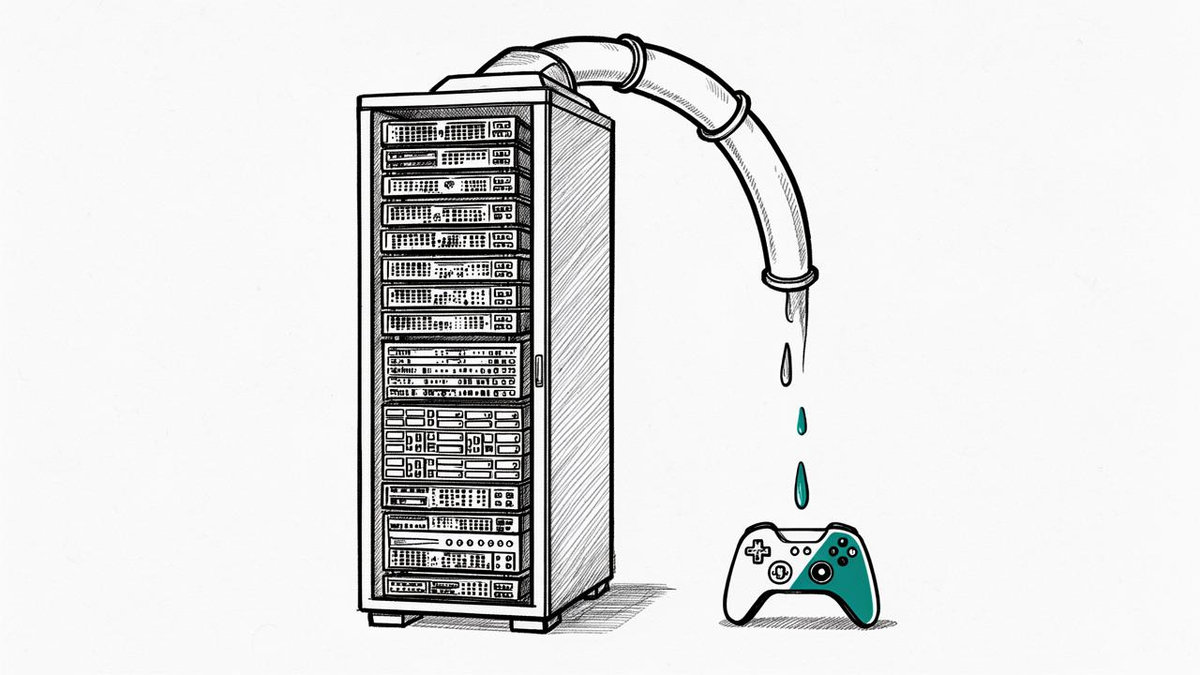
The cloud gaming industry, initially seen as the future of interactive entertainment, is currently facing significant challenges due to the rapid expansion of artificial intelligence (AI). Major tech companies are reallocating resources, particularly GPUs and data center capacity, from cloud gaming to more profitable AI endeavors, resulting in drastic changes in cloud gaming offerings.
Key Trends
-
Usage Caps: Companies like Microsoft have introduced limitations on cloud gaming hours for subscribers, halting what effectively used to be unlimited access. For instance, Xbox Game Pass tiers now have caps ranging from 5 to 15 hours a month, reflecting rising operational costs in relation to user engagement.
-
Economic Pressures: The fundamental structure of cloud gaming—requiring continuous server and GPU use—leads to escalating costs correlated with increased user activity. This economic model has become untenable under the current demands from AI.
-
Shift in Focus: Major players, including Microsoft and Nvidia, are reducing their cloud gaming aspirations to prioritize higher-margin AI investments. For example, Nvidia has imposed a 100-hour monthly limit on its GeForce Now service.
-
Amazon’s Retreat: Amazon Games is scaling back its gaming operations, reflecting a broader industry trend of prioritizing AI infrastructure over gaming investments, even as the company commits a substantial part of its capital expenditures to AWS and AI.
-
Google’s Example: Google’s failed Stadia service exemplifies the pitfalls of cloud gaming, highlighting that even well-resourced companies struggled with the economics of the model.
Economic Context
The financial landscape for tech giants is changing, with projections indicating that Amazon, Alphabet, Microsoft, and Meta will spend around $760 billion on capital expenditures in 2026. Much of this is being directed towards AI infrastructure rather than gaming.
Industry Implications
- Resource Allocation: The decision-making process favors AI workloads because of their potentially higher margins and critical role in future competitive positioning. Gaming, with its thinner margins, is deprioritized.
- Long-Term Viability: The cloud gaming sector is experiencing a retreat as major investments in AI continue to reshape the landscape. Limitations and withdrawal of gaming services indicate a shift in strategic priorities.
Conclusion
The cloud gaming industry’s decline amid an AI boom serves as a crucial reminder of how rapidly corporate priorities can shift under changing market dynamics. It underscores the potential volatility in tech sectors, where promising innovations can be sidelined as companies pivot to more lucrative opportunities. Whether AI infrastructure will sustain its momentum more effectively than cloud gaming remains to be seen.