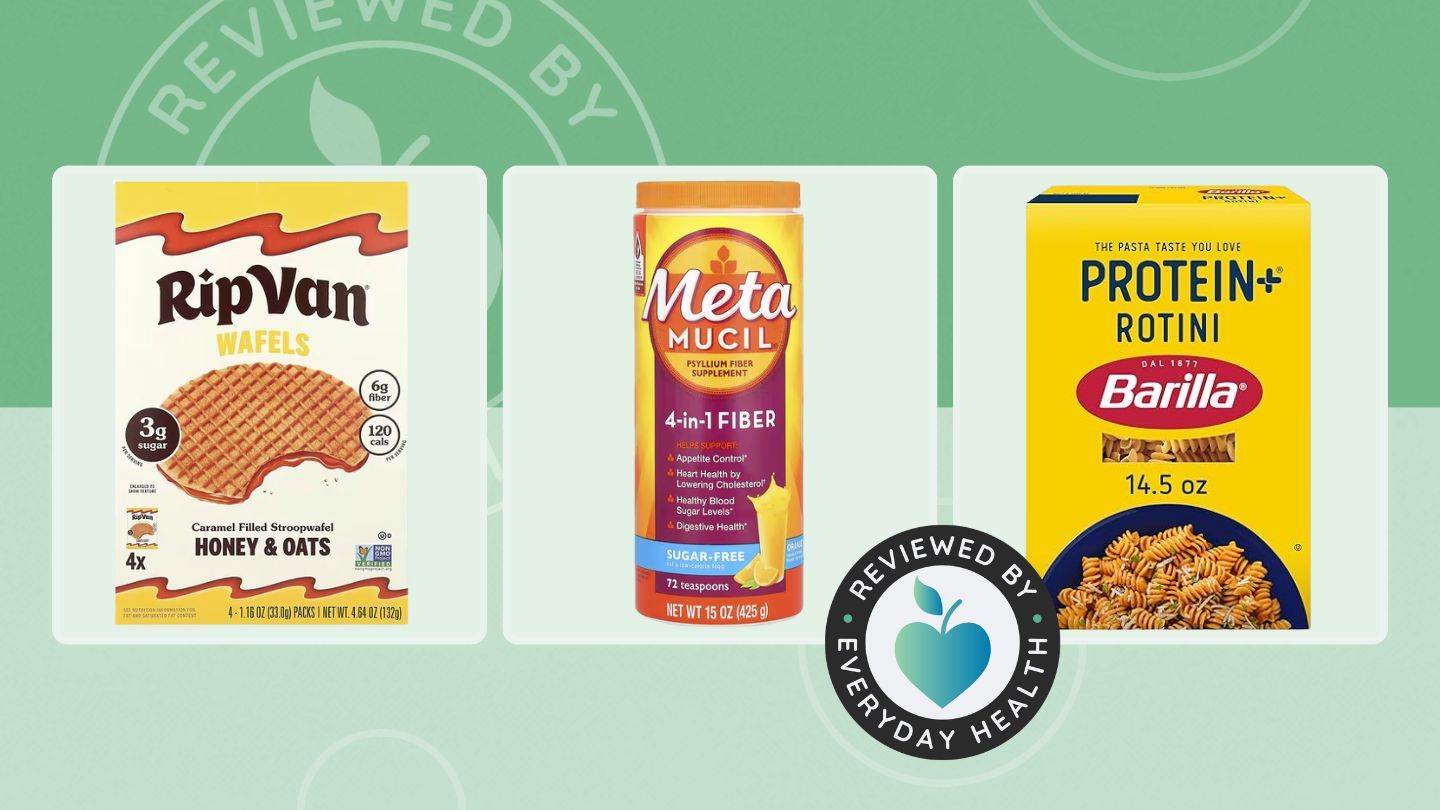
Fiber is gaining popularity in the health conversation, and as a dietitian, I couldn’t be happier. It plays a crucial role in various bodily functions—even without providing energy. According to Avery Zenker, RD, fiber supports gut health, regular bowel movements, blood sugar regulation, cholesterol levels, appetite control, liver health, and weight management.
The recommended fiber intake varies by age and gender. For men under 51, the goal is about 38 grams daily, while women need at least 25 grams. For those over 51, the recommended amounts drop slightly. If you’re not close to these numbers, it’s best to increase your intake gradually to avoid digestive issues.
Many misconceptions exist about high-fiber foods. For instance, you’d need to eat ten cups of spinach to match the fiber in just one serving of beans! Instead of salads, consider incorporating high-fiber vegetables like cauliflower and artichokes. Legumes, nuts, seeds, and whole grains are also excellent sources.
To successfully boost your fiber intake, break your daily goal into manageable portions throughout meals and snacks. Think about integrating high-fiber foods and possibly some supplements that can aid in meeting your needs.