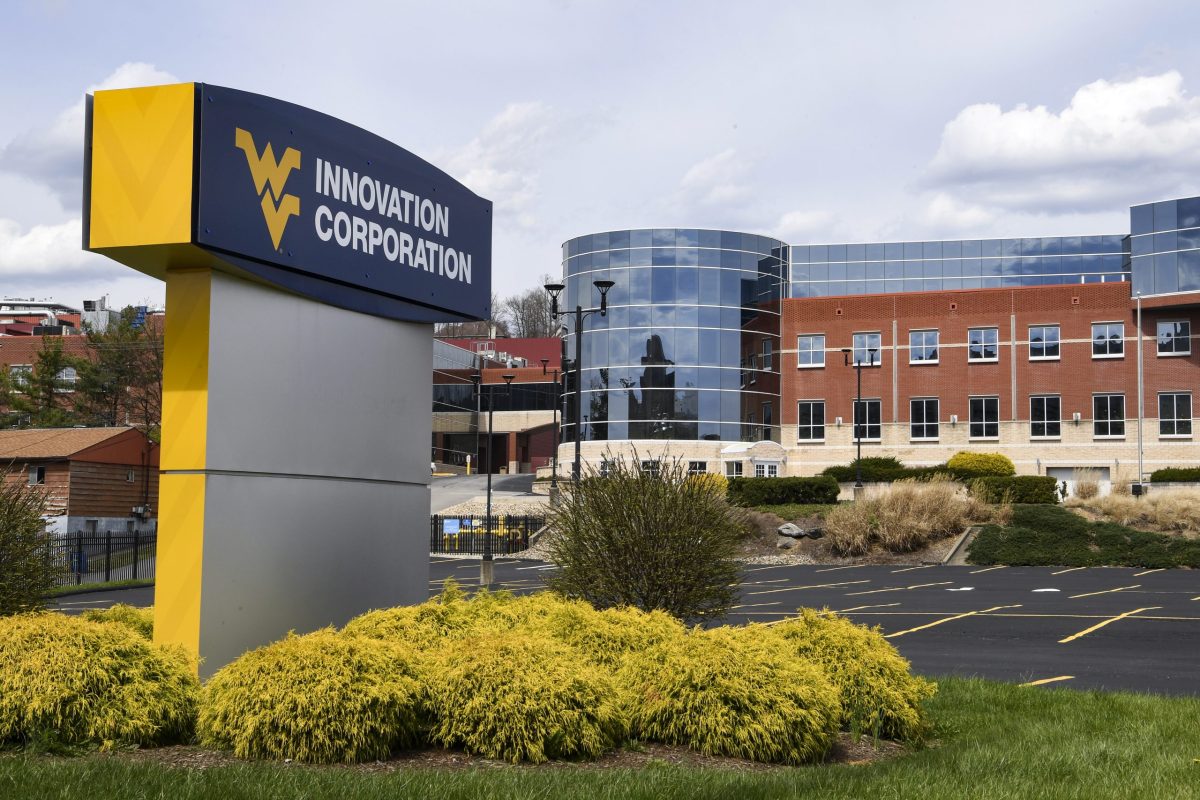
WVU Innovation Corp. Leading $160 Million NSF Energy Initiative
MORGANTOWN, W.Va. – The Resilient Energy Technology and Infrastructure (RETI) Consortium, spearheaded by West Virginia University (WVU) in partnership with the University of Pittsburgh and Carnegie Mellon University, has been awarded up to $160 million from the National Science Foundation (NSF) over the next decade. This funding aims to develop innovative technologies to meet the nation’s growing energy demands.
Selected as one of the 12 award recipients of the NSF Regional Innovation Engines program, RETI is projected to create 21,000 jobs and foster 150 startups, generating over $1 billion in economic growth for the region.
Located at the WVU Innovation Corp. in Morgantown, with a branch office at the Energy Innovation Center in Pittsburgh, the RETI Engine is set to drive significant advancements in energy technology. WVU President Michael T. Benson and RETI Engine CEO Erienne Olesh highlighted the importance of this initiative during a media briefing.
In addition to the NSF grant, RETI will secure an additional $161 million from industry, workforce, philanthropy, state government, and community partners, bringing the total funding to $321 million.
Benson emphasized that this award represents the largest grant in WVU’s history and is a crucial step toward addressing the nation’s energy challenges. He stated, “Our work will develop innovative ways to meet the nation’s rapidly growing energy needs.”
Olesh noted that contemporary issues like AI, data centers, and reshoring American industry are straining the power grid. The RETI initiative will create hardware, software, and AI technologies to alleviate these pressures.
The RETI region encompasses West Virginia and Western Pennsylvania, both historically significant in the energy sector, making it well-suited for such an ambitious project. The program focuses on four main pillars:
- Research and Development: Collaborating to invest in new technologies for energy security and grid reliability.
- Translation to Practice: Commercializing these technologies with the help of industrial partners.
- Workforce Development: Creating opportunities for new and retraining existing workers.
- Community Engagement and Policy: Involving communities in the development process and keeping them informed.
Investments will be allocated through two tracks: one for research and development, with competitive awards ranging from $50,000 to $250,000 for selected projects, and the other aimed at funding startup companies committed to the region, with awards ranging from $100,000 to $250,000.
Olesh indicated that while most of the funding will come from federal resources—preventing RETI from taking equity in the projects—there is a network of over 70 investment partners with a collective $3 billion available for equity-bearing investments.
The NSF Engine program, initiated in May 2022, saw WVU, Pitt, and Carnegie Mellon leverage their long-standing collaboration to secure this competitive opportunity.
In a press release, NSF Director Brian Stone acknowledged that these investments in critical technologies would transform America’s innovation landscape for years to come, underscoring the potential of the RETI Engine to bolster U.S. energy security and advance industry growth.
Senator Shelley Moore Capito praised WVU’s leadership in securing the RETI Consortium, emphasizing its role in creating economic opportunities and good-paying jobs through resilient energy technologies. Similarly, Senator Dave McCormick congratulated all the partnering universities for their collaborative effort in achieving this recognition.
This initiative positions the region as a leader in energy innovation, with a keen focus on sustainable and resilient practices for the future.