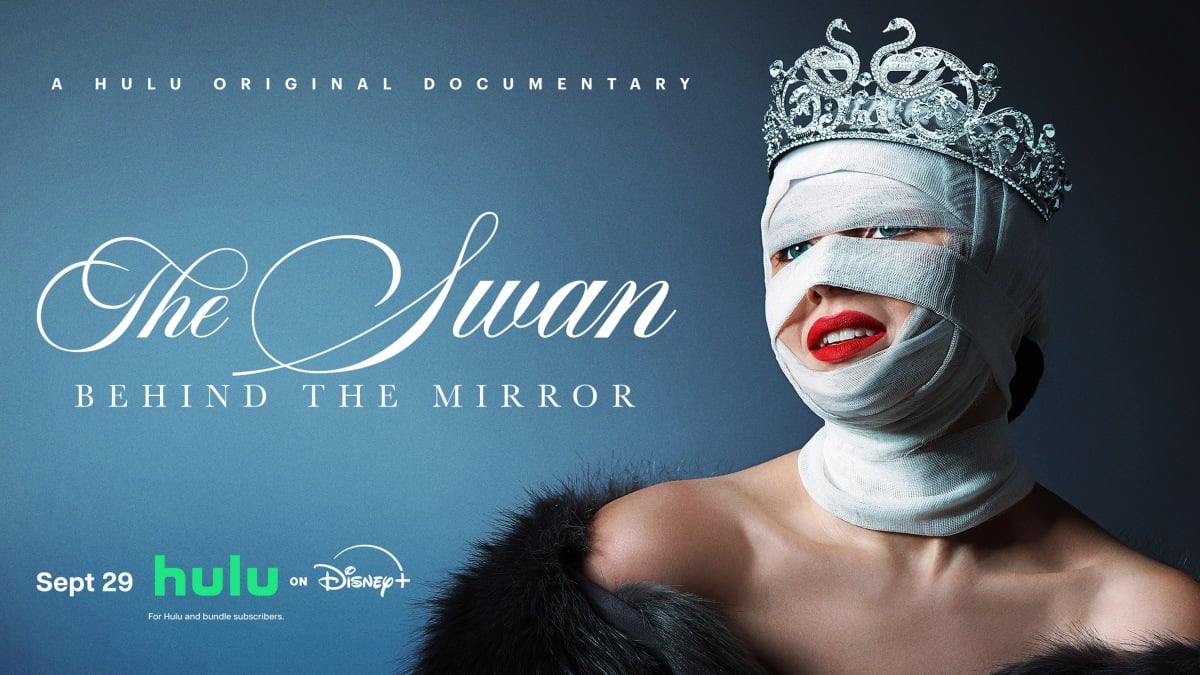
Overview of The Swan: Behind The Mirror
The Swan: Behind The Mirror is a provocative documentary streaming on Hulu. Directed by Erin Lee Carr, it revisits the controversial reality competition The Swan, which aired in 2004, known for its extreme makeover transformations involving dieting, therapy, and surgery.
Main Themes
-
Manipulation and Misrepresentation
- Contestants, labeled “swans,” were unaware that a beauty pageant awaited them at the end of their transformation journey. Many contestants felt deceived, as the pageant was not disclosed until after surgeries began.
-
Power Dynamics
- Many participants felt pressured to comply with producer and surgeon demands without understanding their rights to refuse certain procedures. This lack of agency led to feelings of vulnerability and isolation among contestants.
-
Ethical Concerns of Production
- The documentary highlights troubling practices, including emotional manipulation to elicit tears and dramatic reactions. Producers openly sought emotional moments, treating participants more like storylines rather than individuals.
-
Controversial Statements from Dr. Randal Haworth
- The show’s plastic surgeon made dismissive comments about participants’ agency and emotions. His analogy comparing women to objects and later stating, “There are no victims, only volunteers” sparked significant outrage.
-
Psychological Impact
- The show not only transformed bodies but also appeared to impact mental health. Participants struggled with the pressures of competition and emotional fallout post-transformation.
Key Reveals
- Contestants were often surprised by the manipulative nature of the show, with some expressing regret over the emphasis on competition among women who were meant to support each other.
- The documentary offers sobering insights into the personal struggles of the participants, some of whom faced serious health risks during surgery.
Conclusion
The Swan: Behind The Mirror serves as a critical lens into the darker aspects of reality television, emphasizing issues of consent, mental health, and exploitation. It presents a powerful reminder of the ethical responsibilities involved in producing such shows and the effects they have on participants.