The Lessons of Solo Travel in Botswana
Reading Time: 4 Minutes
Part of the beauty of solo travel is the spontaneity that comes without meaningful guardrails. At its best, this abandonment of inhibitions allows for true escapism; money turns into monopoly money, strangers become friends, and your next destination is entirely up to you. Even during challenging moments—when logic gives way to travel-induced insanity—you gather life lessons and stories to share later. My recent trip to Botswana served as a compelling reminder of this.
Botswana is a vast and beautiful country, known mainly for the Okavango Delta—the world’s largest inland delta. Notably, up to 90% of Botswana is covered by the Kalahari Desert. I arrived in Maun, the dusty gateway town to safari adventures, with no ambition beyond witnessing the wildlife under Botswana’s ‘high cost, low impact’ tourism model—fewer tourists and fewer jeeps.
A visitor to Africa must be comfortable with the unpredictable; the local refrain is “TIA” (This is Africa). My first day was charmed. I had been upgraded on my flight, my driver met me at the airport, and I quickly made friends with a South African mining entrepreneur and a British expat.
But Africa has a way of humbling you.
The Night Adventure
Later that evening, fueled by cheap lagers, our South African friend offered us a lift. In Sydney, I might have responded, “No thanks, I’ll get an Uber.” Here, I thought, “TIA—let’s go.” As it turned out, I should have hesitated.
My hotel was just across the Thamalakane River, but the nearest bridge was a 15-minute drive away. “No worries, we’ll take the shortcut,” said our driver, seated in a vehicle that bore little resemblance to a Land Cruiser. I didn’t protest—just a bit of river crossing, no big deal.
Halfway across, we got stuck. Water rushed in, increasing my anxiety as I realized my door wouldn’t budge due to the pressure. In an alarming rush, we scrambled out, wading through chest-deep water in darkness, shoes filling with mud, dignity disappearing fast.
Botswana served harsh life lessons that night.
Lesson One: You Don’t Need All the Data
The corporate world thrives on comprehensive datasets and detailed reports, but standing in that river at night, I was in a “limited data environment.” Had I known of the nearby hippos and crocodiles, I might have made worse decisions, like climbing onto the vehicle—like a marinated appetizer.
Lesson Two: Credentials Matter
We all know someone who speaks confidently but lacks expertise. Most of the time, they’re harmless. But occasionally, they drive you into a river at night in an unfit vehicle. A little backstory would have been prudent. Questions like, “Have you done this before?” and “Could we die if you get it wrong?” can save you from trouble.
Lesson Three: Be Goal-Oriented
While crossing the river, I made the unwise choice of turning on my phone flashlight, causing every ripple to intensify my panic. Once I focused solely on the shore as my end goal, the experience downgraded from a thriller to merely a challenging swim.
Lesson Four: Nature Reigns Supreme
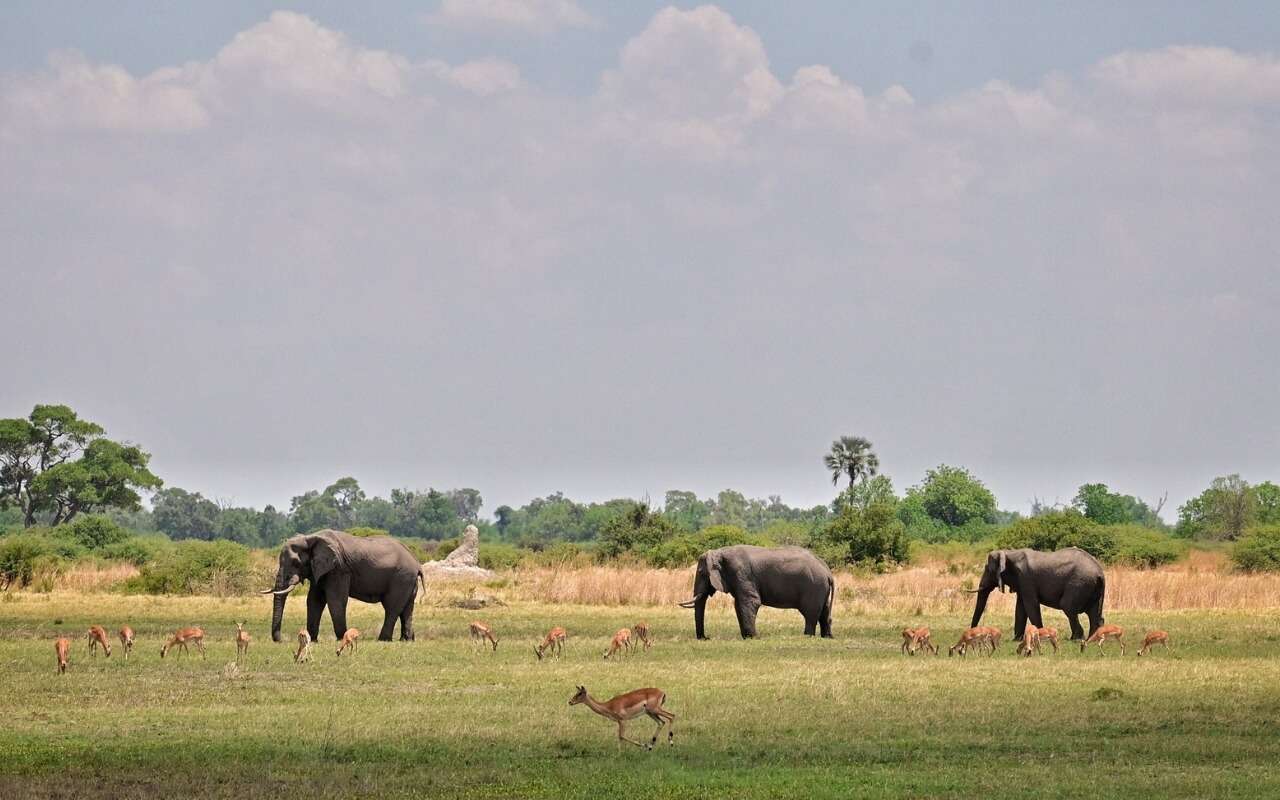
Despite the absurd challenges of that first night, Botswana unveiled some of its best offerings over the following week. In Moremi, I witnessed lions lounging, elephants emerging from every direction, and indifferent zebras blocking paths. The Mokoro safari was the highlight, with my poler deftly navigating through reeds while I trailed my fingers in the tranquil water, all while maintaining a respectful distance from the hippos.
Across the Makgadikgadi Pans, one of the world’s largest salt pans, I felt like I was in a fairytale. The scene brimmed with hundreds of elephants, zebras, and giraffes, but no predators. We saw no other vehicles for hours; our only companions during lunch were playfully passing elephants.
At nearby Nxai Pan, watering holes bustled with life—a stark contrast to the surrounding drought—while vultures feasted on carcasses. Through all these experiences, Botswana taught me that nature is stunningly beautiful, yet utterly indifferent to your plans.
Travel Notebook
- Best Time: July – September for peak water levels and wildlife.
- Access: Fly from Australia to Johannesburg, then to Maun (gateway to the Delta).
- Stay: Consider lodging outside Maun, especially in Moremi, Chobe, or Chief’s Island.
- Cost: Approximately $3,500–$4,500 per person for a 5-day shared safari (more for premium lodges, less for camping).
For more travel advice, check out: Uzbekistan Along the Silk Roads.
Solo adventures, especially in enchanting yet unpredictable places like Botswana, reshape your understanding of freedom and nature. Leaving behind inhibitions often leads to wonderfully unplanned moments—and the biggest takeaways often happen outside your comfort zone.