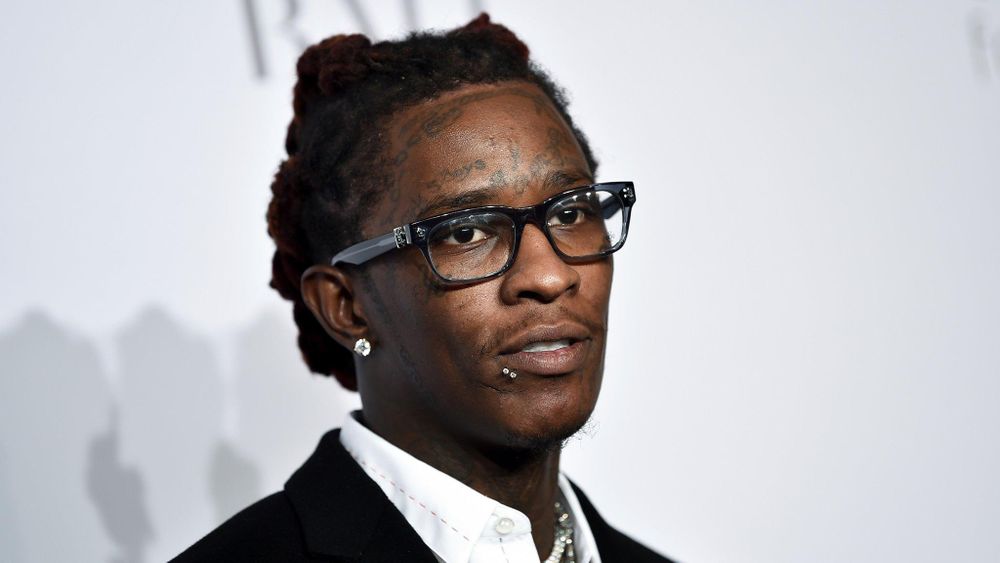
The hip-hop scene is buzzing as Kid Cudi recently took the witness stand in Sean “Diddy” Combs’ trial related to sex trafficking and racketeering, bringing him into the spotlight for reasons beyond his usual moody music.
Despite not being accused of any wrongdoing himself, Cudi faced backlash from fellow rapper Young Thug, who labeled him a “rat” after Cudi testified about a 2012 incident involving a Molotov cocktail thrown at his Porsche. This incident relates to allegations made by Diddy’s ex-girlfriend, Cassie Ventura.
While many admired Cudi for stepping up, Young Thug, amidst his own legal troubles, expressed his disapproval on social media, only to delete the post shortly after—though not before it was screenshot and circulated. DJ Akademiks chimed in, suggesting Thug’s comments might stem from feelings of betrayal related to Gunna’s recent plea deal in their ongoing RICO case, where Gunna admitted that their crew, Young Slime Life (YSL), was indeed a gang.
The fallout from the trial has led to apparent tensions not only between Cudi and Thug but also among the broader hip-hop community, as Cudi has distanced himself from street culture norms. Despite the backlash, fans noted that Cudi’s approach is different from the unwritten code that governs many artists involved in street-related imagery and narratives.
In summary, this incident has sparked discussions about loyalty, betrayal, and the ethical dilemmas faced by hip-hop artists amidst ongoing legal challenges. It highlights the complexities and differing codes within the genre, particularly in light of the high-profile YSL case, which has significant implications for all involved.