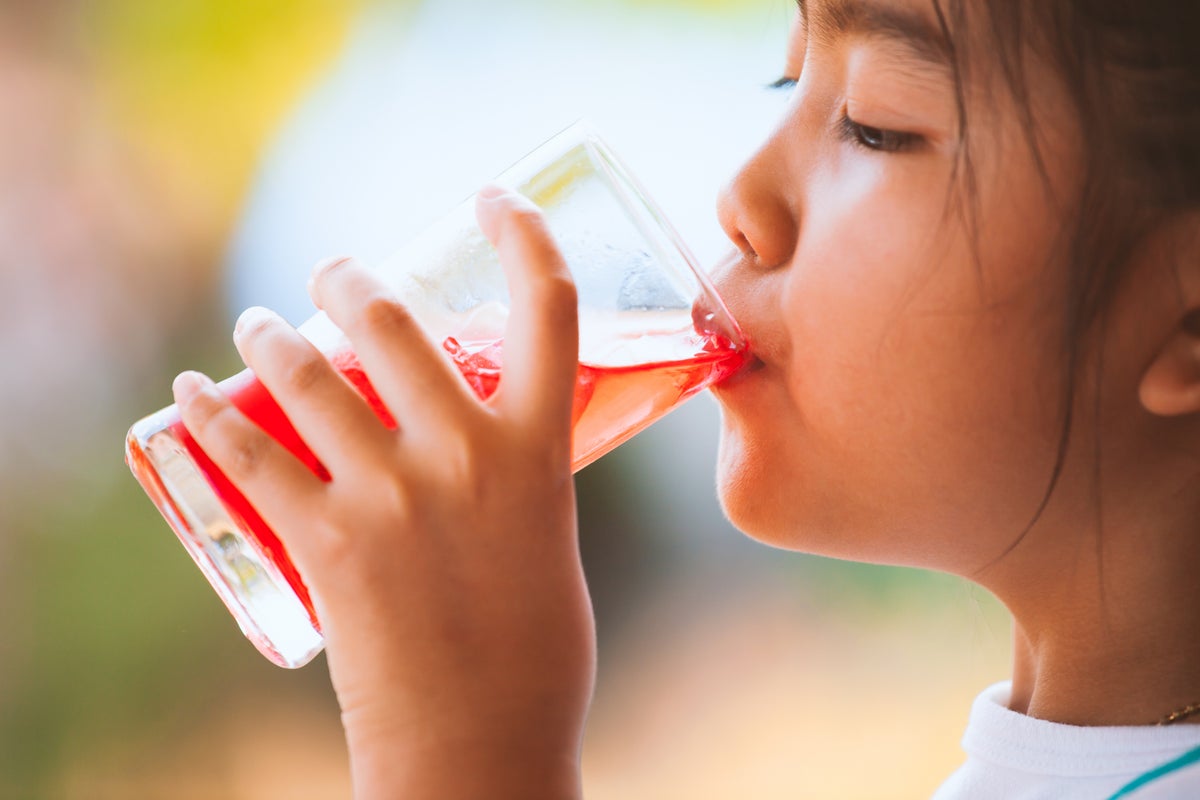
Drinking Sweet Beverages in Childhood Linked to High Blood Pressure Risk
A recent study conducted by the American Heart Association has found that consuming sweet beverages, including fruit juice and soda, during childhood may significantly increase the risk of developing high blood pressure in adulthood. The research analyzed data from over 25,000 Americans aged 9-16 over a span of 25 years.
Key Findings
- Increased Risk: Children who had two or more 12-ounce servings of sweet drinks daily had a 52% higher risk of developing high blood pressure compared to those who limited their consumption to fewer than three servings each week.
- High Blood Pressure Concerns: High blood pressure contributes to serious health issues, including heart and kidney disease, stroke, and dementia. Currently, over 125 million American adults are affected by this condition.
Expert Insights
Dr. Vasanti Malik from the Harvard T.H. Chan School of Public Health emphasizes the importance of dietary habits formed in childhood, noting that they can have long-lasting health effects. There has been a concerning trend of early onset high blood pressure in younger populations, underscoring the importance of prevention measures.
Detailed Beverage Analysis
- Regular consumption of 12 ounces of fruit juice daily was associated with a 35% higher risk of developing high blood pressure.
- Soda and sports drinks posed risks of 23% and 36%, respectively.
- Orange Juice: Each daily serving was linked to a 20% increased risk, potentially due to mislabeling of sugary drinks as pure orange juice.
Dr. Amit Khera, an American Heart Association volunteer, points out that it’s not just the quantity of sugar consumed that matters, but the type of food. He clarifies that while sugar-sweetened beverages are linked with higher risks, whole fruits do not carry the same concern.
Recommendations for Healthier Choices
To reduce the risk of high blood pressure, researchers recommend:
- Replacing sugary beverages with whole fruits, which can lower risk by 22%.
- Substituting fruit juice with whole fruit can reduce risk by 19%.
- Choosing milk or water over sugar-sweetened drinks can also help reduce risk, with a 13% lower likelihood associated with those choices.
The study highlights the critical need for awareness regarding dietary habits established in childhood, as they can significantly impact long-term health outcomes.