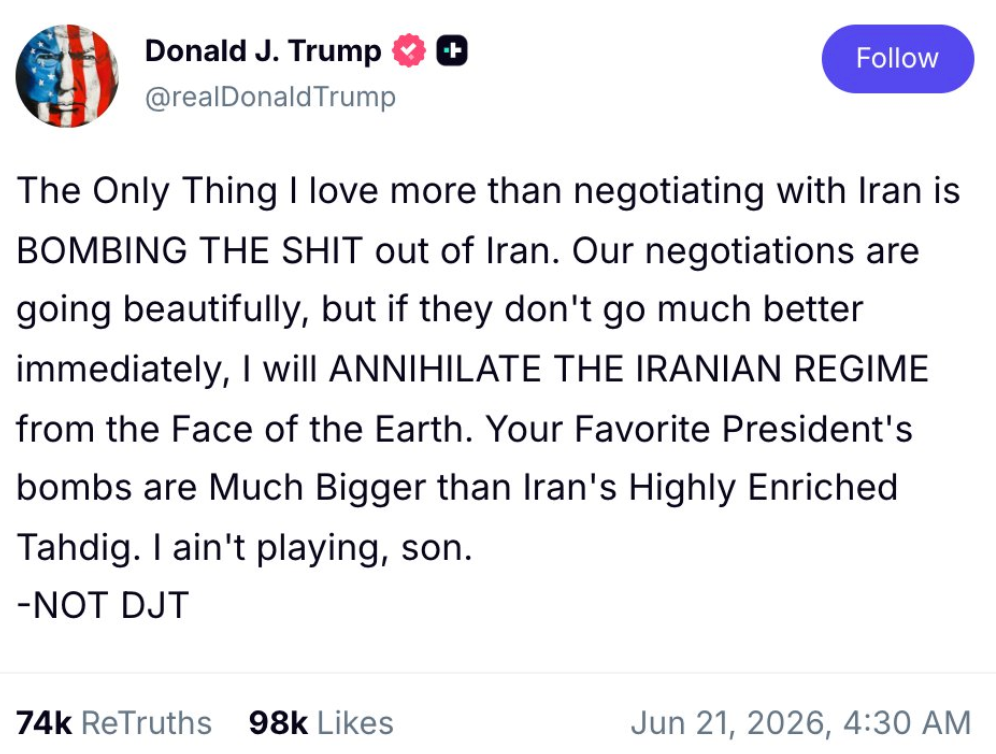
In today’s discussion, we delve into the complexities surrounding the ongoing negotiations between the US and Iran, particularly regarding the Strait of Hormuz. Despite a pressing need for stability to avert economic downturns, the talks appear to be stumbling under the weight of political maneuvering and historical grievances. As developments unfold, it’s crucial to analyze the current dynamics and their implications for regional stability and global trade.
The situation appears precarious, as the much-anticipated deal struggles to gain traction despite the urgent global demand for shipping through the Strait of Hormuz. Both domestic and global economies are at stake, with fears of a recession looming. President Trump acknowledged the significance of this issue, expressing his desire to avoid a repeat of Herbert Hoover’s disastrous economic policies. He articulated this concern by citing looming oil inventory shortages.
However, Trump’s actions seem contradictory. He has involved Jared Kushner and Steve Witkoff—figures that the Iranian leadership reportedly despises—in the negotiations. Following the signing of the Memorandum of Understanding (MOU), threats surfaced against Iran, a direct violation of the initial agreement’s spirit, and tensions escalated to the point where Iranian negotiators walked out.

Additionally, it has been reported that Trump made extreme threats during a call, suggesting aggressive military actions against Iran if they fail to comply with US demands regarding Israel. This contradicts earlier efforts to present the US as a peacemaker.
“We’ll take over the rest of your country … I’ll blow the shit out of them” — here is Trey Yingst’s entire segment about the bonkers phone call he says he had with Trump this morning that apparently included threats to assassinate Iran’s leadership, impose draconian US tolls… pic.twitter.com/RLi9bos14Q
— Aaron Rupar (@atrupar) June 21, 2026
The US had a couple of days where it wanted to portray itself as a friendly peacemaker that just wants the world to feel joy and now Trump is back to threatening to murder Iranian diplomats if they don’t let Israel do whatever it wants. https://t.co/qWyFOHcmPN
— Séamus Malekafzali (@Seamus_Malek) June 21, 2026
Though negotiations persisted, they became embroiled in complexity, with discussions facilitated through intermediaries like Qatar and Pakistan. Iran has since reopened the Strait of Hormuz, yet doubts linger over the willingness of insurers and shipping companies to navigate these uncertain waters, particularly against a backdrop of ongoing conflict in Lebanon and potential regime changes.
The extended negotiations, initially slated for three days but running longer, reveal the underlying tension. While technical teams remain engaged in Geneva, Israel’s refusal to withdraw from Lebanon—a key stipulation in the MOU—complicates the scenario further. Miscommunication also clouds the situation; Iran’s Foreign Minister claimed that the US had lifted certain sanctions when official channels indicated otherwise.
Many observers note that Trump and the US punditry seem to grapple with conflicting emotions, acknowledging the need for progress but still exhibiting resistance. The emotional turbulence at the top is enough to undermine already fragile negotiations.
Despite the challenges, negotiators attempt to maintain an optimistic facade. For instance, reports emerged of “major progress” being made during discussions, although such claims may serve to placate public sentiment rather than reflect reality.

According to Bloomberg’s reporting, Iranian officials claim “major progress” has been made in dialogues aimed at establishing peace within two months, with some easing of tensions over Lebanon noted. However, this may be a case of overstating the effectiveness of the talks, as significant challenges remain.
- Iran asserted there had been “major progress” in discussions with the US as both parties seek a peace deal within a two-month window.
- Iranian Foreign Minister Abbas Araghchi remarked that the mediators were effective in bridging some gaps concerning Lebanon and acknowledged initial financial benefits from the recent MOU.
- Further negotiations will continue throughout the week, though solutions to the Lebanese conflict are crucial for advancing US-Iran discussions.
However, mere easing of tensions doesn’t equate to substantial action. Additionally, Iran remains firm on critical issues concerning its nuclear program—an area where no concessions have been made.
Despite the rhetoric of progress, many feel that the current diplomatic approach is overly optimistic, often masking the realities of failed negotiations through diplomatic niceties. This trend is evident in the approach of various mediators, contrasting sharply with the bluntness exhibited by representatives from Russia and China in similar scenarios.
While the negotiations continue, skepticism persists about the reliability of reports coming from Pakistan—who have previously misrepresented the outcomes of discussions. This lack of trust further complicates the delicate atmosphere.
Events following the discussions indicate that there remain numerous hurdles to overcome. For instance, while some statements suggest a reduction in sanctions on Iranian oil, such claims are yet to be substantiated by official Treasury guidance.
On the ground, the reality diverges from diplomatic optimism, with significant military movements and the ongoing humanitarian crisis in Gaza posing major challenges to stability.
According to reports, Israeli military movements have intensified, further exacerbating an already dire humanitarian situation. The conflict in Gaza remains catastrophic, with casualties reported and severe shortages of basic resources.

In conclusion, the situation surrounding the US-Iran talks remains fluid and uncertain. As both sides navigate the complex landscape of diplomacy and regional tensions, the outcome of these negotiations will significantly impact not only regional stability but also global economic conditions. Continuous monitoring of developments will be essential as the world watches closely for any signs of progress or further escalation.

