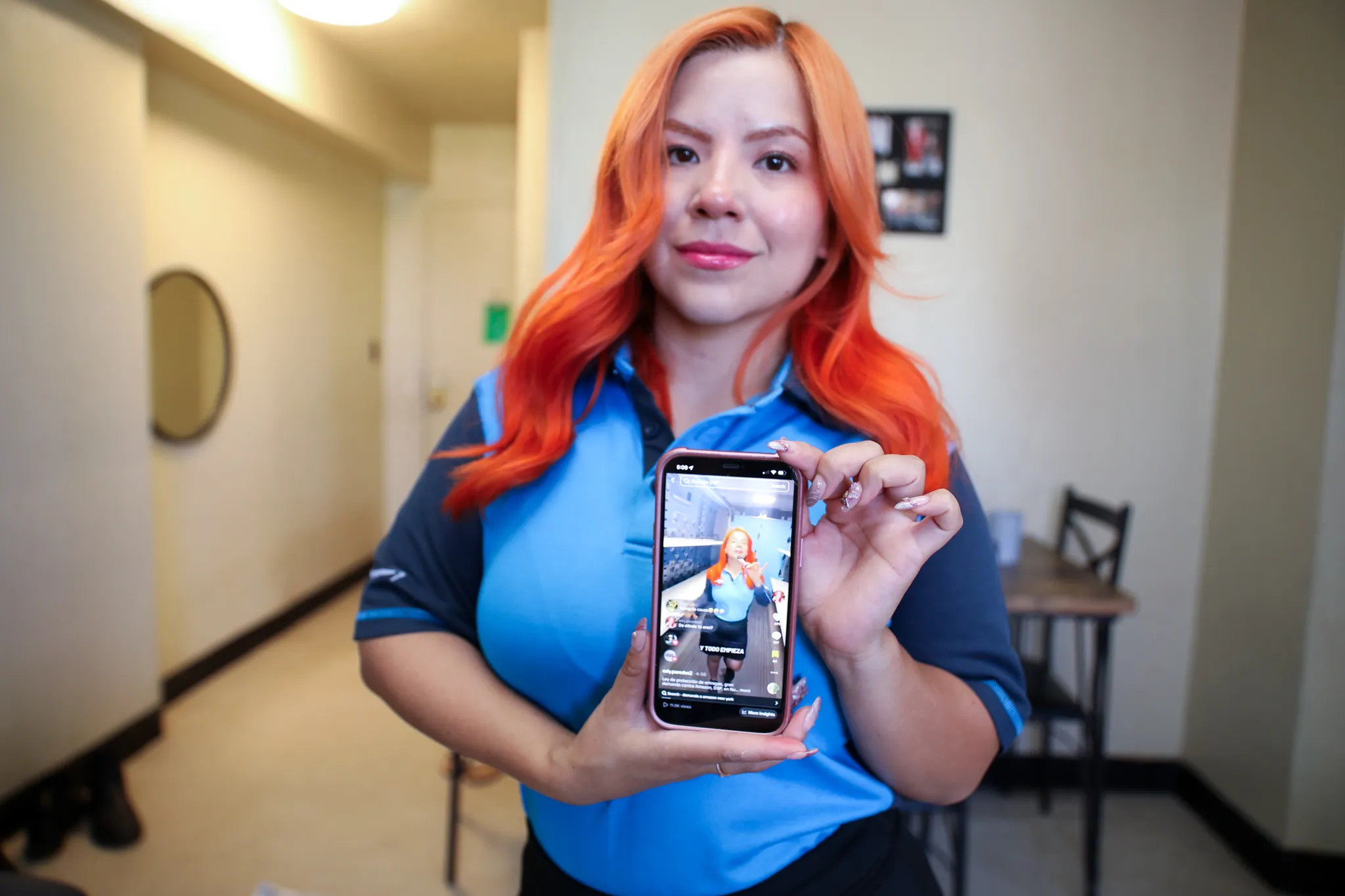
The Rise of Esly Paredes: A Delivery Driver’s Fight for Rights
For over a year, Esly Paredes provided her TikTok followers with a glimpse into her life as a delivery driver for Amazon. Her videos highlighted favorite lunch spots, fashion finds, and plenty of content showing her hauling packages and passing the time between shifts.
In a post from April 30, filmed in her full uniform inside a parked Amazon truck, a man she referred to as her boss waved and smiled at the camera.
Initially, Paredes reported no issues with her blossoming social media presence. However, trouble arose when she shared a series of videos advocating for a City Council bill that Amazon vehemently opposed.
On May 27, she was terminated for allegedly violating her employer’s solicitation and social media policies, a move Paredes argues infringes on her free speech rights. With assistance from the Teamsters, a labor union advocating for Amazon delivery drivers in New York and California, she filed a formal complaint with the National Labor Relations Board.
“They thought firing me would silence me,” shared Paredes, a 31-year-old single mother from Jamaica, Queens, in Spanish. “Instead, I am using my videos to raise awareness and explain to fellow drivers why these protections are essential.”
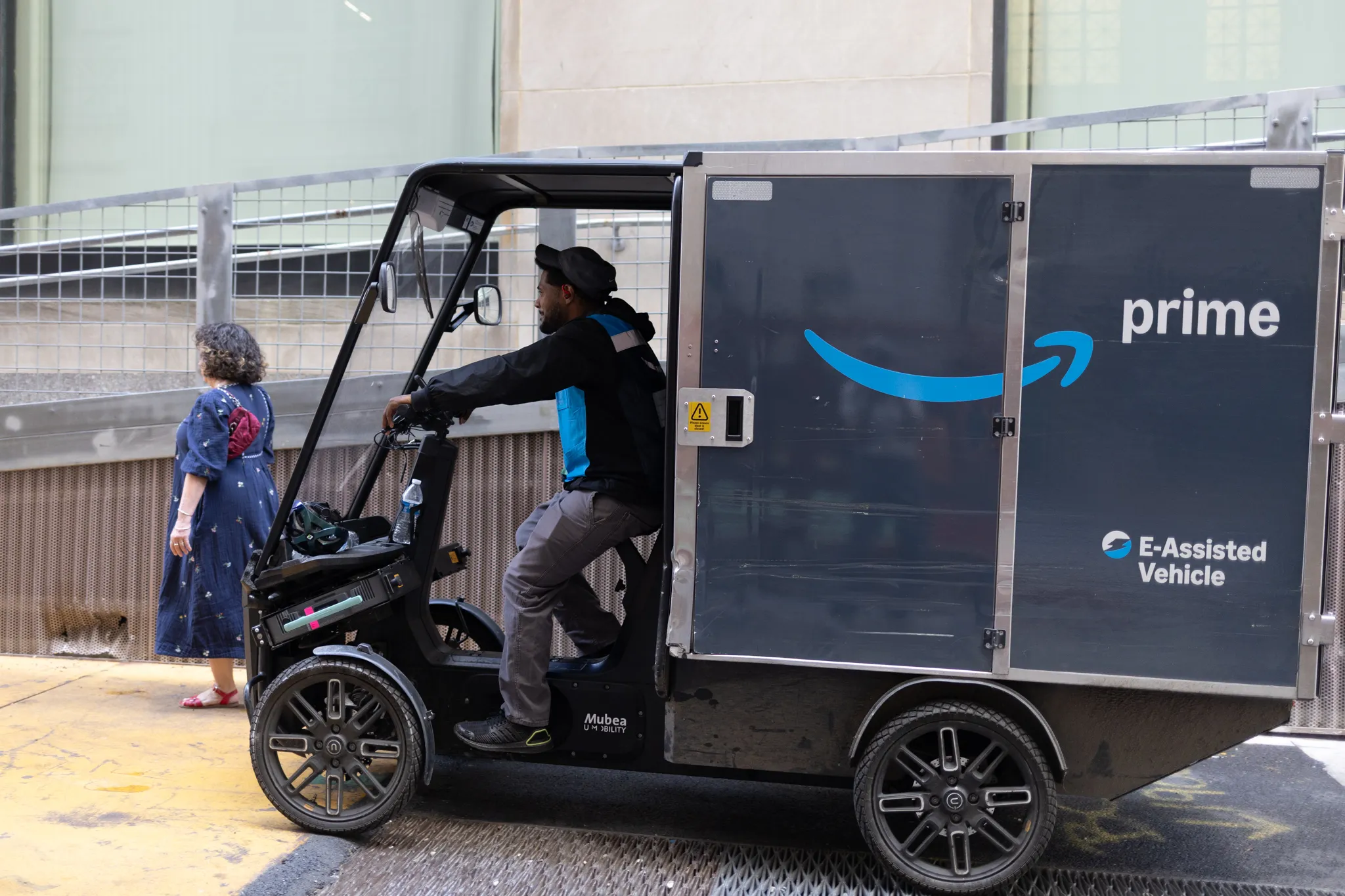
An Amazon spokesperson, Leigh Anne Gullett, stated that the company was not involved in any decisions concerning Paredes’ employment.
“Delivery Service Partners are independent businesses that hire and manage their own employees,” Gullett explained.
Vincent Satriano, the owner of Paredes’ former employer, Satriano Logistics/STAA, remarked, “This decision followed repeated violations of my company’s policies. No other factors contributed to this outcome.”
The legislation Paredes supported is designed to impact workers like her directly. Introduced by Councilmember Tiffany Cabán of Queens, the bill aims to compel Amazon to hire delivery workers currently employed by various contractors. The bill has backing from 30 lawmakers and the Mamdani administration, but has yet to be voted on by the entire City Council.
Amazon’s Delivery Partners
In New York, Amazon’s delivery network is subcontracted through more than 40 companies called “delivery service partners” or DSPs, a setup critics argue allows Amazon to evade liability in the event of accidents or wage theft complaints while also hindering collective bargaining. Although the subcontractors are responsible for the workforce, they operate vans branded with Amazon logos and receive support from Amazon on the road.
Federal regulators had been developing a significant case regarding Amazon’s control over its contract drivers. In 2024, regional directors of the National Labor Relations Board in Los Angeles and Atlanta determined that Amazon acted as a joint employer of its subcontracted drivers and could potentially be held accountable for anti-union practices.
Yet, momentum slowed during the second Trump administration with the appointment of a former attorney for Amazon as the head of the NLRB.
A recent exposé by Bloomberg Businessweek revealed the extent to which Amazon controls its drivers, despite categorizing them as contractors. They mandate contractors dispatch drivers even in dangerous weather conditions, dictate the vendors they can partner with, and even determine delivery routes.
In addition to enforcing uniform requirements, Amazon also expects subcontracted drivers to maintain specific personal hygiene standards. According to documents obtained by Bloomberg, they must be free of “unpleasant breath or body odor, wear modest perfume or cologne, and maintain clean teeth, face, ears, fingernails, and hair.”
Both Amazon and business groups argue that Cabán’s bill will undermine small businesses and result in significant job losses. Amazon representatives warned that if passed, the company might reconsider its operations in New York.
As Amazon and its subcontractors intensified efforts to oppose Cabán’s legislation, numerous delivery drivers from The Bronx, Brooklyn, and Queens reported that their superiors offered incentives to attend an April rally at City Hall against the bill and to participate in meetings where lobbyists discussed the proposed reforms.
One anonymous worker shared with The City Reporter that he was compensated a full day’s wage and provided with complimentary transportation to City Hall for their attendance. Similar offers were made to workers at other DSPs, suggesting a coordinated effort.
Cabán met with Paredes before her dismissal and viewed her videos showcasing the physical demands of her job. After Paredes’ firing, Cabán’s office maintained correspondence and expressed “full support” for her claims against Amazon.
Paredes’ Free Speech Advocacy
Paredes worked as a driver for three years before her termination and began sharing content promoting the Delivery Protection Act following the April rally. Although she didn’t attend the rally, she learned about the bill through coworkers and decided to express her support. She aimed to equip fellow drivers with comprehensive information about the City Council’s efforts and the Teamsters’ initiatives.
After being advised by her supervisor to stop filming TikToks at work, she believed it was a directive not to create content while on duty. Nevertheless, she continued sharing information about the bill and other topics from home, frequently while still in her Amazon uniform.
“I have a constitutional right to free speech,” Paredes stated. “They can’t dictate my actions in my own home.”
Subsequently, she received two final warnings from human resources on May 19, demanding she delete all her videos within 24 hours due to violations of social media and solicitation policies.
“We’ve noticed that you have posted content that undermines the company and reveals sensitive operational information,” the notice read, instructing her to cease all recordings.
The Teamsters filed a complaint with the National Labor Relations Board claiming Paredes’ social media activity constituted “protected concerted activity,” emphasizing that the company’s request to delete her content violated her rights. The complaint was lodged against both Amazon and Satriano Logistics/STAA on June 4.
Paredes insists that prior to her advocacy for the Delivery Protection Act, her supervisors had never expressed concerns about her social media posts. In fact, she shared that she had previously discussed the possibility of creating a promotional video with at least one manager.
After her termination, she posted another video directly calling out Amazon and decrying her “unfair” dismissal. Speaking in Spanish about Amazon, she stated, “They’re afraid of this bill because they recognize that if we are aware of our rights, we will stand up for ourselves and advocate for this legislation that benefits workers — not just Amazon and its partners.”
Paredes is currently struggling to secure employment, relying on her savings to support herself and her young daughter. She has applied for food stamps and is awaiting approval.
“I harbor no ill will toward my bosses; my frustration lies with Amazon,” she declared. “They must take responsibility for us, respect our rights, and treat us fairly.”


