Understanding Probiotics and Prebiotics
What Are Probiotics and Prebiotics?
In the world of health, you hear a lot about probiotics and prebiotics. But what are they, and do you really need to incorporate them into your diet?
-
Probiotics: These are the beneficial microorganisms that live in your gut. In a healthy gut, there can be about 100 trillion probiotics, collectively weighing up to four pounds. They play a crucial role in your overall health, impacting everything from mental clarity to heart health and even respiratory health.
-
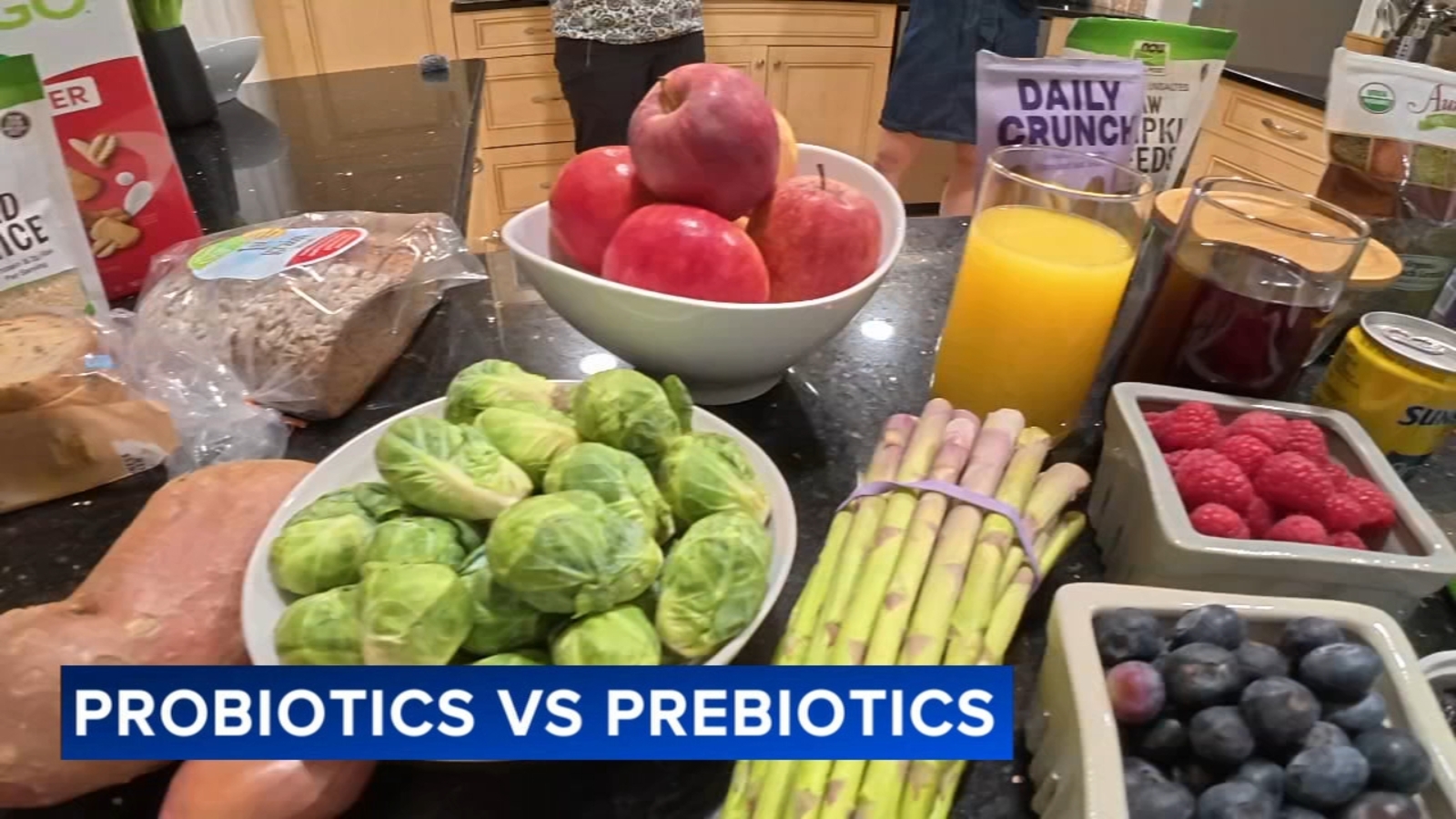
Prebiotics: These are the food sources for probiotics. To thrive, probiotics need nourishment, which they get from prebiotics found in various foods.
The Importance of a Healthy Diet
To support a thriving gut microbiome:
-
Eat a variety of foods: Incorporate fiber from beans, lentils, and fermented foods like yogurt and sauerkraut. Aim for a colorful array of fruits and vegetables.
-
Common Issues: Many people tend to eat a limited variety of foods and consume too much processed food, which negatively affects gut health. According to registered dietitian Kelly Jones, over 90% of Americans do not eat enough fruits, vegetables, or fiber.
Practical Tips for Your Diet
-
Mix it up: Instead of relying on supplements, modify your diet. Add berries to your cereal or switch up your greens. For example, interchange broccoli with cauliflower.
-
Start small with fermented foods: If you’re hesitant about fermented options, begin with small additions like yogurt in dressings or pickled vegetables.
-
Try new recipes: For instance, consider making a shrimp and vegetable rice bowl topped with kimchi for added flavor.
Conclusion
A varied and balanced diet, rich in whole foods, is the best way to nourish your gut microbiome. While probiotics and prebiotics are beneficial, focusing on whole foods is key to maintaining a healthy gut and overall well-being.